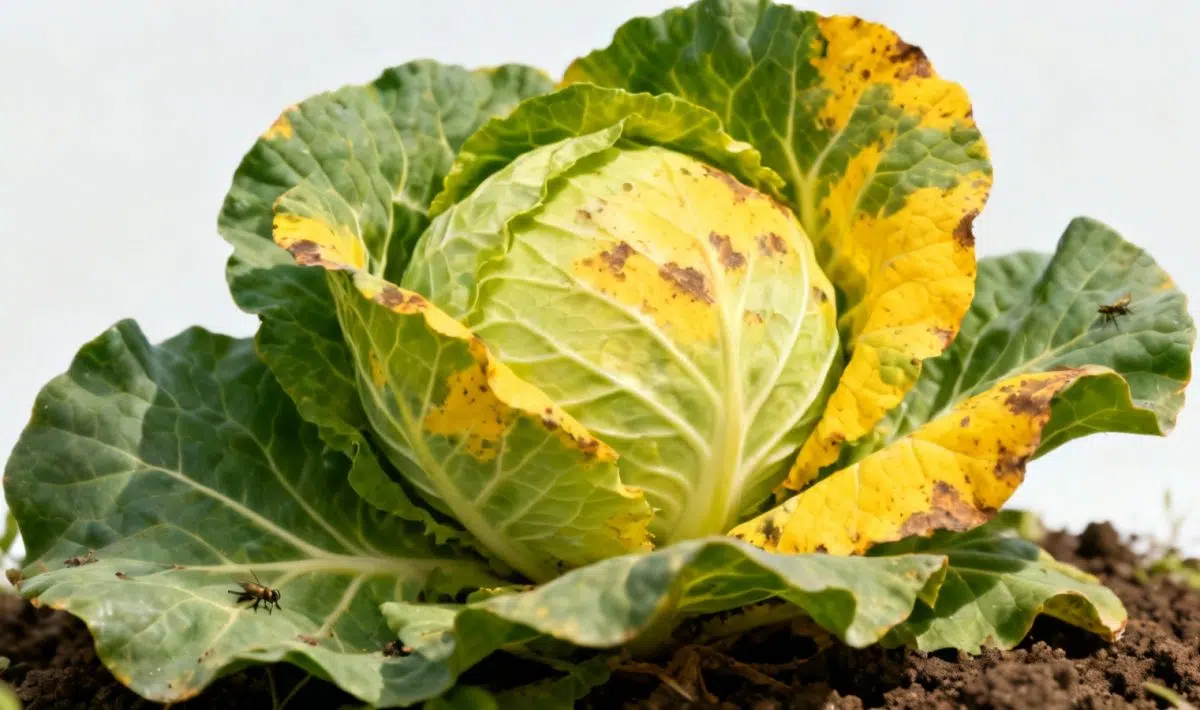
Why are my cabbage leaves turning yellow – causes and solutions
Nothing’s more frustrating than watching your beautiful cabbage leaves turn yellow when you’ve been nurturing them with care. This common issue affects gardeners from beginners to experts, but the good news is that yellowing leaves often signal problems you can fix with the right approach.
Understanding why your cabbage leaves are changing color is the first step toward getting your plants back to their vibrant green state. Let’s dive into the most common causes and explore practical solutions that actually work.
Your cabbage plant needs a balanced diet just like you do. When certain nutrients are missing from the soil, the leaves start showing distress signals through color changes.
Nitrogen deficiency is the most frequent culprit behind yellow cabbage leaves. This essential nutrient keeps leaves green and promotes healthy growth. When nitrogen levels drop, older leaves turn yellow first while newer growth remains green. You’ll notice this pattern starting from the bottom of the plant and working its way up.
Potassium deficiency shows up differently – the leaf edges turn yellow or brown while the center stays green. This creates a distinctive yellowing pattern that’s easy to identify. Magnesium deficiency causes yellowing between leaf veins, creating a mottled appearance that gardeners often mistake for disease.
Iron deficiency typically affects younger leaves first, turning them yellow while the veins remain green. This condition, called chlorosis, is more common in alkaline soils where iron becomes less available to plants.
Environmental factors affecting cabbage health
Your garden’s environment plays a huge role in keeping your cabbage leaves healthy and green. Temperature fluctuations, watering issues, and soil conditions all impact how your plants look and grow.
Overwatering is one of the biggest mistakes gardeners make with their cabbage plants. When soil stays too wet, roots can’t get enough oxygen and start to rot. This prevents the plant from absorbing nutrients properly, leading to yellowing leaves. Similarly, underwatering stresses the plant and causes older leaves to yellow and drop off as the plant conserves moisture for new growth.
Soil pH matters more than many gardeners realize. Cabbage prefers slightly acidic to neutral soil with a pH between 6.0 and 7.0. When pH levels are too high or too low, nutrients become locked in the soil where plant roots can’t access them. This nutrient lockout often manifests as yellowing leaves even when fertilizer levels are adequate.
Extreme temperatures also stress cabbage plants. Very hot weather causes leaves to yellow and wilt, while unexpected cold snaps can damage leaf tissue and turn it yellow or brown. Consistent temperatures between 60-70°F provide the best growing conditions for healthy green leaves.
Diseases and pests that target cabbage
Several diseases specifically target cabbage plants and cause characteristic yellowing patterns. Recognizing these early can save your entire crop from serious damage.
Fusarium wilt is a soil-borne fungal disease that causes leaves to yellow and wilt, typically affecting one side of the plant first. The yellowing starts with lower leaves and progresses upward as the fungus blocks the plant’s water transport system. Once established, this disease is very difficult to treat and often kills the plant.
Clubroot is another serious fungal infection that causes yellowing leaves and stunted growth. Below ground, it creates swollen, club-like growths on roots that prevent proper nutrient uptake. Plants with clubroot often have small heads and may not develop properly even if they survive.
Aphids and flea beetles are common pests that cause yellowing through their feeding damage. Aphids suck plant juices and can transmit viruses that cause yellowing and distorted growth. Flea beetles create small holes in leaves, and heavy infestations can stress plants enough to cause yellowing.
Cabbage root maggots feed on roots underground, causing plants to wilt and yellow above ground. These small white larvae are particularly damaging to young plants and can kill seedlings quickly if left untreated.
✅ Quick Checklist
Is the soil too wet or too dry?
Is the plant getting 6+ hours of sunlight daily?
Have you fertilized in the last 2 months?
Are there visible pests under the leaves?
Does the pot have adequate drainage?
🔥 FREE
📱
Diagnose your plant in one click!
AI instant diagnosis • Personalized solutions • 50,000+ species
Once you’ve identified the cause of yellowing leaves, taking the right action can often restore your cabbage plants to health. The key is addressing the underlying problem rather than just treating the symptoms.
For nutrient deficiencies, start with a soil test to determine exactly what your plants need. A balanced fertilizer with equal parts nitrogen, phosphorus, and potassium works well for most cabbage plants. Apply fertilizer according to package directions, usually every 3-4 weeks during the growing season.
If you suspect nitrogen deficiency specifically, try a high-nitrogen fertilizer like fish emulsion or blood meal. These organic options release nutrients slowly and won’t burn your plants. For iron deficiency, apply iron chelate to make this nutrient more available in alkaline soils.
Improve your watering practices by checking soil moisture regularly. Stick your finger about 2 inches into the soil – if it feels dry, it’s time to water. When you do water, give plants a deep soaking rather than frequent light sprinklings. This encourages deep root growth and better drought tolerance.
Similar to how causes of yellowing common mallow leaves can vary, cabbage yellowing often requires specific diagnosis. Consider adding organic matter like compost to improve soil structure and drainage while providing slow-release nutrients.
Prevention strategies that actually work
Preventing yellow leaves is always easier than treating them after they appear. These proven strategies will keep your cabbage plants healthy from the start of the growing season.
Choose disease-resistant varieties when possible, especially if you’ve had problems with fungal diseases in the past. Many modern cabbage varieties have been bred to resist common diseases like fusarium wilt and clubroot.
Rotate your crops each year to break disease cycles and prevent nutrient depletion. Don’t plant cabbage or other brassicas in the same location two years in a row. This simple practice prevents soil-borne diseases from building up and reduces pest problems.
Maintain proper plant spacing to ensure good air circulation. Crowded plants are more susceptible to fungal diseases and pest infestations. Follow seed packet recommendations for spacing, which is usually 12-18 inches between plants.
Just as with reasons for yellowing walnut leaves, environmental stress often triggers yellowing in cabbage. Install row covers early in the season to protect young plants from pests like flea beetles and cabbage root maggots.
Monitor your plants regularly for early signs of problems. Check the undersides of leaves for pest eggs and look for changes in leaf color or growth patterns. Early intervention is always more effective than waiting until problems become severe.
Consider companion planting with herbs like dill, oregano, or thyme that naturally repel cabbage pests. These aromatic plants not only protect your cabbage but also add diversity to your garden ecosystem.
When to worry and when to relax
Not all yellowing cabbage leaves indicate serious problems. Understanding when yellowing is normal versus when it signals trouble will save you unnecessary stress and help you focus your efforts where they matter most.
Natural aging causes lower leaves to yellow and drop off as plants mature. This is completely normal and actually indicates that your cabbage is developing properly. Don’t panic if you see a few yellow leaves at the bottom of healthy, growing plants.
However, rapid yellowing that affects multiple leaves or newer growth usually indicates a problem that needs attention. If yellowing spreads quickly or is accompanied by wilting, stunted growth, or unusual spots or patterns, take action immediately.
Weather-related yellowing often resolves itself once conditions improve. A few yellow leaves after a heat wave or cold snap are normal and don’t require treatment if the plant otherwise looks healthy.
Keep records of what works in your garden from year to year. Note which varieties perform best, what fertilizers give good results, and which pest control methods are most effective in your area. This information becomes invaluable for future growing seasons and helps you make better decisions about plant care.
Allan is a lifelong gardening enthusiast who still gets excited when the first seedlings pop up in spring. With a deep love for nature and a hands-in-the-soil approach, he shares practical tips, plant discoveries, and clever tricks picked up over years of digging, planting, and observing. Whether you’re a new gardener or have a shed full of tools, Allan writes like a neighbor who’s always happy to swap cuttings and stories over the fence.
You can find more about Allan’s work on Malt or connect with him on LinkedIn.