Why are my english walnut leaves turning yellow – mediterranean gardening tips
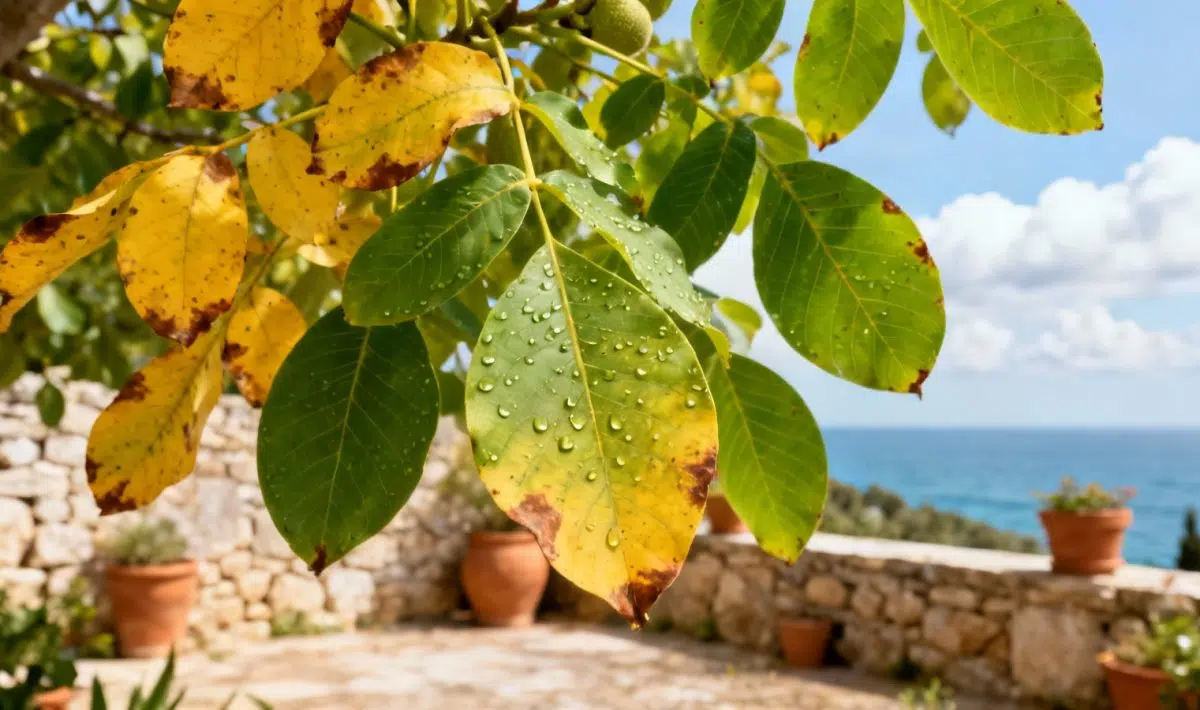
If you’ve noticed your English walnut leaves turning yellow, you’re not alone in this gardening concern. This common issue can be quite worrying, especially when you’re not sure what’s causing it. The good news is that most cases of yellowing leaves are treatable once you identify the root cause.
Understanding why your English walnut leaves turn yellow
Yellow leaves on your walnut tree can signal various problems, from simple watering issues to more complex soil deficiencies. The key is to observe the pattern of yellowing and any other symptoms that accompany it. Some leaves may turn yellow naturally as part of the tree’s seasonal cycle, but widespread yellowing usually indicates an underlying problem that needs attention.
Common watering problems affecting leaf color
One of the most frequent causes of yellow walnut leaves is improper watering. Both overwatering and underwatering can stress your tree and cause the leaves to change color. When the soil stays too wet for extended periods, the roots can’t breathe properly, which affects nutrient uptake and leads to yellowing.
Conversely, drought stress from insufficient water can also cause leaves to yellow and drop prematurely. You’ll want to check the soil moisture regularly by inserting your finger about two inches deep into the ground around the tree’s base.
✅ Quick Checklist
Is the soil too wet or too dry?
Is the plant getting 6+ hours of sunlight daily?
Have you fertilized in the last 2 months?
Are there visible pests under the leaves?
Does the pot have adequate drainage?
🔥 FREE
📱
Diagnose your plant in one click!
AI instant diagnosis • Personalized solutions • 50,000+ species
Nutrient deficiencies are another major culprit behind yellowing walnut leaves. Nitrogen deficiency typically causes older leaves to yellow first, starting from the bottom of the tree and working upward. Iron deficiency, on the other hand, causes younger leaves to yellow while the veins remain green, creating a distinctive pattern.
Magnesium deficiency shows up as yellowing between the leaf veins, often starting with older leaves. These nutrient problems are more common in alkaline soils, which can lock up certain minerals and make them unavailable to the tree.
Disease and pest issues to watch for
Several diseases can cause yellowing in walnut leaves, including bacterial blight and various fungal infections. These often start as small spots or patches that gradually expand and turn yellow or brown. Aphids and other sucking insects can also cause yellowing by weakening the plant and interfering with normal leaf function.
Just as you might see with causes of yellowing clover leaves, pest damage often creates distinctive patterns that can help you identify the problem. Look for clusters of insects on the undersides of leaves or sticky honeydew deposits that indicate their presence.
Effective solutions for yellow walnut leaves
Adjusting your watering routine
Start by evaluating your current watering practices. Walnut trees prefer deep, infrequent watering rather than frequent shallow watering. Water slowly and thoroughly, allowing the water to penetrate deeply into the soil around the entire root zone.
During hot summer months, you may need to water more frequently, but always check the soil moisture first. A good rule of thumb is to provide about one inch of water per week, including rainfall.
Improving soil nutrition
If nutrient deficiency is the problem, you’ll need to address the specific lacking nutrients. A balanced fertilizer applied in early spring can help prevent most deficiencies. For iron deficiency, consider using an iron chelate supplement that’s easily absorbed by the tree.
Organic compost worked into the soil around the tree can also improve nutrient availability and soil structure over time. This is particularly beneficial for young trees that are still establishing their root systems.
Managing diseases and pests
For fungal diseases, improve air circulation around the tree by pruning any overcrowded branches. Remove fallen leaves from around the base of the tree, as these can harbor disease spores that may reinfect the tree next year.
If pests are the issue, insecticidal soap or horticultural oil can be effective treatments for soft-bodied insects like aphids. These treatments are generally safe for beneficial insects when applied correctly.
Prevention strategies for healthy walnut trees
Choosing the right location
Prevention starts with proper planting location. Walnut trees need full sun and well-draining soil to thrive. They don’t tolerate waterlogged conditions, so avoid low-lying areas where water tends to collect after rain.
The tree should also have plenty of space to grow, as crowded conditions can increase disease pressure and reduce air circulation around the foliage.
Regular maintenance practices
Regular pruning helps maintain good air flow through the canopy, which reduces disease pressure. Remove any dead, diseased, or crossing branches during the dormant season. This also allows you to inspect the tree more easily and catch problems early.
Similar to how you’d monitor reasons for yellow hawthorn leaves, keep a close eye on your walnut tree throughout the growing season. Early detection of problems makes treatment much more effective.
✅ Quick Checklist
Is the soil too wet or too dry?
Is the plant getting 6+ hours of sunlight daily?
Have you fertilized in the last 2 months?
Are there visible pests under the leaves?
Does the pot have adequate drainage?
🔥 FREE
📱
Diagnose your plant in one click!
AI instant diagnosis • Personalized solutions • 50,000+ species
Learn to recognize the early signs of stress in your walnut tree. Changes in leaf color, wilting, or unusual dropping patterns can all signal developing problems. The sooner you identify and address issues, the better chance you have of preventing more serious damage.
Keep notes about when problems occur, what the weather has been like, and any treatments you’ve applied. This information can help you spot patterns and prevent future issues from developing.
With proper care and attention, most cases of yellowing walnut leaves can be resolved successfully. The key is to take action promptly and address the underlying cause rather than just the symptoms. Your tree will thank you with healthy, green foliage and, eventually, a good harvest of fresh nuts.
Allan is a lifelong gardening enthusiast who still gets excited when the first seedlings pop up in spring. With a deep love for nature and a hands-in-the-soil approach, he shares practical tips, plant discoveries, and clever tricks picked up over years of digging, planting, and observing. Whether you’re a new gardener or have a shed full of tools, Allan writes like a neighbor who’s always happy to swap cuttings and stories over the fence.
You can find more about Allan’s work on Malt or connect with him on LinkedIn.