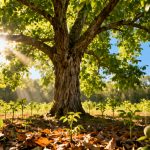
Why are my black walnut leaves turning yellow – Mediterranean gardening solutions
Nothing feels quite as concerning as watching your beautiful black walnut tree’s leaves suddenly turn yellow. However, this common issue often has straightforward solutions that any garden enthusiast can master with the right approach and understanding.
Black walnut trees naturally display different colors throughout the year, making it essential to distinguish between normal seasonal changes and actual problems. During spring, new leaves emerge with vibrant green hues that gradually mature as the season progresses.
Summer brings the most intense green coloration when leaves work at their peak efficiency. As autumn approaches, yellowing becomes a natural part of the tree’s preparation for winter dormancy. Understanding this natural rhythm helps you identify when yellowing signals genuine concern rather than seasonal transition.
The key lies in timing and pattern recognition. Normal autumn yellowing typically starts from the tree’s outer edges and progresses inward gradually. Abnormal yellowing often appears scattered, patchy, or occurs during inappropriate seasons like late spring or early summer.
✅ Quick Checklist
Is the soil too wet or too dry?
Is the plant getting 6+ hours of sunlight daily?
Have you fertilized in the last 2 months?
Are there visible pests under the leaves?
Does the pot have adequate drainage?
🔥 FREE
📱
Diagnose your plant in one click!
AI instant diagnosis • Personalized solutions • 50,000+ species
Improper watering ranks among the most frequent culprits behind yellowing walnut leaves. Both overwatering and underwatering create stress that manifests through color changes, though each presents distinct symptoms.
Overwatering leads to waterlogged soil conditions that prevent roots from accessing enough oxygen. The resulting stress causes leaves to turn yellow from the bottom up, often accompanied by wilting despite moist soil. You might also notice a musty smell around the tree’s base or observe fungal growth.
Conversely, drought stress from insufficient watering typically causes yellowing to start from leaf edges and progress inward. The soil becomes hard and cracked, and leaves may feel dry and brittle to the touch. Summer heat intensifies this problem, especially in Mediterranean climates where hot, dry conditions prevail.
Nutritional deficiencies impacting color
Like other plants in your garden, black walnut trees require balanced nutrition to maintain healthy green foliage. Nitrogen deficiency commonly causes older leaves to yellow first, as the tree redirects this mobile nutrient to newer growth areas.
Iron chlorosis presents another frequent issue, particularly in alkaline soils. This condition causes yellowing between leaf veins while veins themselves remain green, creating a distinctive striped appearance. Clay soils and poor drainage often exacerbate iron availability problems.
Potassium deficiency typically manifests as yellowing leaf margins that gradually brown and become crispy. This nutrient plays crucial roles in water regulation and overall plant health, making its absence particularly noticeable during stress periods.
Disease and pest-related yellowing
Fungal diseases affecting walnut trees
Several fungal diseases can cause yellowing in black walnut trees, with anthracnose being particularly common during wet spring weather. This disease creates irregular brown spots on leaves that often have yellow halos, eventually causing premature leaf drop.
Root rot presents another serious concern, especially in poorly drained soils. The underground damage prevents proper nutrient uptake, leading to gradual yellowing and decline of the entire canopy. Early detection and improved drainage offer the best prevention strategies.
Bacterial leaf scorch can also cause yellowing, though it typically starts as browning along leaf edges before progressing to yellow zones. This stress-related condition often worsens during hot summer months when trees struggle to maintain adequate moisture levels.
Pest infestations and their symptoms
Various insects can weaken walnut trees enough to cause yellowing foliage. Aphids feed on leaf sap, creating yellow spots where they’ve extracted nutrients. These small insects often cluster on leaf undersides and produce sticky honeydew that attracts ants.
Scale insects attach to bark and branches, gradually weakening the tree through continuous feeding. Their presence often goes unnoticed until yellowing becomes widespread, as these pests can be quite small and well-camouflaged against the tree’s natural bark patterns.
Similar yellowing patterns can affect other trees in your garden, such as the reasons for yellowing honeysuckle leaves which share some common underlying causes. Spider mites become particularly problematic during hot, dry periods, creating stippled yellowing patterns across leaf surfaces.
Effective treatment strategies
Improving watering practices
Establishing proper watering routines forms the foundation of walnut tree health. Deep, infrequent watering encourages strong root development better than frequent shallow applications. Aim to water thoroughly once or twice weekly rather than daily light sprinklings.
Check soil moisture by inserting a screwdriver or probe about six inches deep near the tree’s drip line. If it penetrates easily, the soil retains adequate moisture. If you encounter resistance, it’s time for deep watering that reaches the root zone effectively.
Mulching around the tree base helps maintain consistent soil moisture while reducing evaporation during hot weather. Apply organic mulch like wood chips or shredded leaves in a three-foot radius, keeping it several inches away from the trunk to prevent pest issues.
Addressing nutritional needs
Regular soil testing reveals specific nutrient deficiencies affecting your walnut tree’s health. Most cooperative extensions offer affordable soil analysis that identifies pH levels and nutrient availability, providing targeted fertilization recommendations.
For nitrogen deficiency, apply balanced fertilizer in early spring when new growth begins. Choose slow-release formulations that provide steady nutrition throughout the growing season without causing rapid, weak growth spurts.
Iron chlorosis often requires specialized chelated iron applications or soil pH modifications. Adding sulfur can gradually lower soil pH in alkaline conditions, improving iron availability naturally. However, this process takes time and may require professional guidance for optimal results.
✅ Quick Checklist
Is the soil too wet or too dry?
Is the plant getting 6+ hours of sunlight daily?
Have you fertilized in the last 2 months?
Are there visible pests under the leaves?
Does the pot have adequate drainage?
🔥 FREE
📱
Diagnose your plant in one click!
AI instant diagnosis • Personalized solutions • 50,000+ species
Black walnut trees thrive in well-draining soils with adequate organic matter content. Improving heavy clay soils with compost and coarse sand enhances drainage while providing slow-release nutrients. This foundation work pays dividends in preventing future yellowing episodes.
Proper spacing allows adequate air circulation around your walnut tree, reducing fungal disease pressure that often leads to yellowing. Remove any nearby competing vegetation that might stress the tree through resource competition or create overly humid conditions.
Understanding that causes of yellowing black cherry leaves often parallel walnut tree issues can help you develop comprehensive garden health strategies. Consider the broader garden ecosystem when addressing individual tree problems.
Seasonal maintenance practices
Regular inspection throughout the growing season helps catch yellowing issues before they become severe. Check your walnut tree monthly, paying attention to new yellow spots, unusual patterns, or changes in growth vigor.
Pruning dead or diseased branches improves overall tree health and reduces disease pressure. Perform major pruning during dormant seasons, but remove obviously diseased material immediately regardless of timing to prevent spread.
Fall cleanup removes potential disease sources like fallen leaves that might harbor fungal spores over winter. However, don’t be overly aggressive, as some fallen leaves provide natural mulch and habitat for beneficial insects.
When to seek professional help
Persistent yellowing despite your best efforts may indicate complex issues requiring professional diagnosis. Certified arborists have experience with various walnut tree problems and access to specialized treatments that aren’t available to homeowners.
Rapid yellowing affecting large portions of the tree simultaneously suggests serious underlying problems like root damage or severe disease. Early professional intervention often means the difference between recovery and tree loss in such situations.
Remember that healthy walnut trees are valuable additions to any garden, providing both aesthetic appeal and potential nut harvests. With proper care and attention to yellowing symptoms, your tree can return to its natural beauty and contribute to your garden’s overall success for many years to come.
Allan is a lifelong gardening enthusiast who still gets excited when the first seedlings pop up in spring. With a deep love for nature and a hands-in-the-soil approach, he shares practical tips, plant discoveries, and clever tricks picked up over years of digging, planting, and observing. Whether you’re a new gardener or have a shed full of tools, Allan writes like a neighbor who’s always happy to swap cuttings and stories over the fence.
You can find more about Allan’s work on Malt or connect with him on LinkedIn.