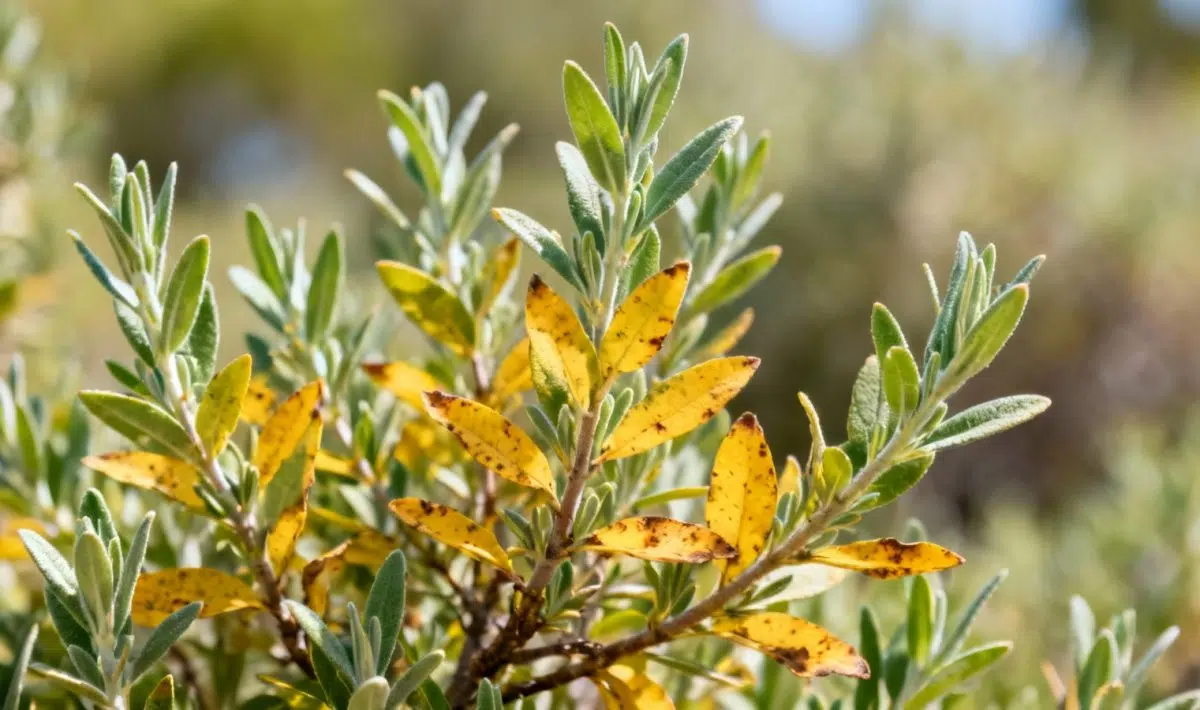
Why are my woodland sage leaves turning yellow – Mediterranean plant care
Nothing’s more frustrating than watching your beautiful woodland sage develop yellow leaves, especially when you’ve been caring for it with good intentions. Yellow leaves are your plant’s way of telling you something isn’t quite right, and the good news is that most causes are easily fixable once you know what to look for.
Let me walk you through the most common reasons why woodland sage leaves turn yellow and share some practical solutions that have worked well for me over the years. With a bit of detective work, you’ll have your sage looking vibrant again in no time.
Yellow leaves on woodland sage usually point to one of three main culprits: watering issues, nutrient deficiencies, or pest problems. Each cause has its own telltale signs, which makes diagnosis much easier once you know what to observe.
The key is to examine your plant carefully and consider your recent care routine. Have you been watering more or less than usual? When did you last fertilize? Are there any small insects visible on the leaves?
Soil moisture problems
Overwatering is the number one cause of yellow leaves in woodland sage during winter months. These plants prefer well-draining soil and can’t tolerate wet feet for extended periods. When roots sit in soggy soil, they can’t absorb nutrients properly, leading to that characteristic yellowing from the bottom up.
On the flip side, severe drought stress can also cause leaves to yellow and drop. The soil should feel slightly moist but never waterlogged. A good test is to stick your finger about two inches into the soil – if it feels dry at that depth, it’s time to water.
✅ Quick Checklist
Is the soil too wet or too dry?
Is the plant getting 6+ hours of sunlight daily?
Have you fertilized in the last 2 months?
Are there visible pests under the leaves?
Does the pot have adequate drainage?
🔥 FREE
📱
Diagnose your plant in one click!
AI instant diagnosis • Personalized solutions • 50,000+ species
Nitrogen deficiency is another common reason for yellowing leaves, especially if the yellowing starts with older, lower leaves and moves upward. Woodland sage needs regular feeding during the growing season to maintain its full, healthy appearance.
Iron deficiency can also cause yellowing, but this typically affects younger leaves first and creates a pattern where leaf veins stay green while the areas between them turn yellow. This is more common in alkaline soils or when plants are grown in containers for many years without fresh soil.
Pest and disease issues
Small aphids or spider mites can cause leaves to yellow and become stippled with tiny spots. These pests are particularly active during dry, warm conditions and can multiply quickly if left unchecked. Check the undersides of leaves carefully with a magnifying glass if you suspect pest problems.
Fungal diseases like root rot or leaf spot can also cause yellowing, often accompanied by brown spots or a musty smell from the soil. These issues are more common in humid conditions with poor air circulation around the plant.
Effective treatment strategies for healthy leaves
Once you’ve identified the likely cause of your yellowing leaves, treatment is usually straightforward. The key is to address the root cause rather than just the symptoms, which means looking at your overall care routine.
Start by adjusting your watering schedule and checking that your plant has proper drainage. Most woodland sage problems stem from water-related issues, so getting this right is crucial for recovery.
Adjusting watering practices
Water deeply but less frequently, allowing the soil to dry slightly between waterings. During winter, reduce watering significantly as the plant’s growth slows down and it needs less moisture. Good drainage is essential – if water pools on the surface after watering, you may need to improve your soil mix or drainage system.
For potted plants, ensure there are adequate drainage holes and consider raising the pot slightly on bricks or pot feet to improve airflow underneath. This prevents water from sitting in the saucer and keeps roots healthier.
Proper fertilization techniques
Feed your woodland sage with a balanced, slow-release fertilizer in early spring and again in september for continued growth. During the active growing season from may through early november, a monthly application of liquid fertilizer diluted to half strength works well.
Avoid over-fertilizing, which can cause more harm than good. If you suspect nutrient deficiency, start with a gentle, organic fertilizer and observe your plant’s response over several weeks before applying more.
Managing pests naturally
For aphids or spider mites, a strong spray of water often dislodges many pests without chemicals. You can also use insecticidal soap or neem oil spray applied in the early morning or evening when temperatures are cooler.
Keep your sage well-spaced from other plants to improve air circulation, which helps prevent both pest and disease problems. Remove any heavily affected leaves to prevent issues from spreading. Similar yellowing problems can affect other plants too – for instance, causes of yellowing common mallow leaves often have comparable underlying causes that respond to similar treatment approaches.
Prevention strategies for long-term plant health
Preventing yellow leaves is much easier than treating them after they appear. Good preventive care focuses on providing consistent growing conditions and regular monitoring of your plant’s health throughout the year.
Choose the right location for your woodland sage from the start. These plants thrive in full sun to partial shade and need at least six hours of direct sunlight each day for optimal growth and leaf color.
Selecting quality plants and seeds
Start with healthy plants or high-quality seeds from reputable nurseries. Strong plants are naturally more resistant to stress and disease. When visiting your local garden center, look for plants with vibrant green leaves and no signs of pest damage or disease.
If starting from seeds, plant them at the right time for your climate. In mediterranean regions, early spring or early november are ideal times for establishing new sage plants when temperatures are moderate and rainfall is more reliable.
Creating optimal growing conditions
Design your garden layout to give each plant adequate space for air circulation. Overcrowded plants are more susceptible to fungal diseases and pest problems that can cause leaf yellowing. Allow at least 18 inches between mature sage plants.
Mulch around your plants with organic materials like compost or aged bark to help maintain consistent soil moisture and suppress weeds. However, keep mulch a few inches away from the plant stem to prevent moisture-related problems at the base.
✅ Quick Checklist
Is the soil too wet or too dry?
Is the plant getting 6+ hours of sunlight daily?
Have you fertilized in the last 2 months?
Are there visible pests under the leaves?
Does the pot have adequate drainage?
🔥 FREE
📱
Diagnose your plant in one click!
AI instant diagnosis • Personalized solutions • 50,000+ species
Develop a regular care schedule that changes with the seasons. During the active growing period, check your plants weekly for signs of stress, pests, or disease. Water consistently but adjust frequency based on weather conditions and soil moisture.
In winter, reduce watering and avoid fertilizing until new growth begins in spring. This natural rest period helps plants build energy for the next growing season and reduces the risk of problems that can cause leaf yellowing.
Tree and shrub yellowing issues can be complex, much like what happens with reasons for yellowing english walnut leaves where multiple factors often work together to create the problem.
Moving forward with confidence
Yellow leaves on your woodland sage don’t have to spell disaster for your garden. With proper diagnosis and targeted treatment, most plants recover quickly and go on to thrive for many years. The key is catching problems early and addressing them systematically rather than trying quick fixes that don’t address underlying issues.
Remember that some yellowing of older leaves is completely natural, especially as plants prepare for winter or during periods of active growth when they shed older foliage to focus energy on new shoots. Learn to distinguish between natural aging and problem-related yellowing by observing patterns and timing.
Keep a simple garden journal to track your care routine, weather patterns, and any problems you notice. This becomes invaluable reference material for future seasons and helps you fine-tune your approach to keep your woodland sage healthy and beautiful year after year.
Allan is a lifelong gardening enthusiast who still gets excited when the first seedlings pop up in spring. With a deep love for nature and a hands-in-the-soil approach, he shares practical tips, plant discoveries, and clever tricks picked up over years of digging, planting, and observing. Whether you’re a new gardener or have a shed full of tools, Allan writes like a neighbor who’s always happy to swap cuttings and stories over the fence.
You can find more about Allan’s work on Malt or connect with him on LinkedIn.