Understanding turtle vine varieties and their characteristics
Turtle vines are fascinating plants that can thrive in various environments, from aquatic setups to terrestrial gardens. These species are known for their distinctive foliage that resembles turtle shells, making them popular choices for both indoor and outdoor cultivation. However, when their leaves start turning yellow, it often signals underlying care issues that need immediate attention.
Different turtle vine species have varying requirements for water, light, and nutrients. Some varieties are native to tropical regions and prefer consistent moisture, while others can tolerate periods of drought. Understanding your specific plant’s needs is crucial for preventing leaf yellowing and maintaining healthy growth throughout the year.
Identifying your turtle vine species
The first step in addressing yellow leaves is identifying which species you’re growing. American turtle vine varieties often have different care requirements than their Asian counterparts. Each species responds differently to changes in temperature, humidity, and watering schedules. This diversity means that what works for one type may not be suitable for another.
✅ Quick Checklist
- Is the soil too wet or too dry?
- Is the plant getting 6+ hours of sunlight daily?
- Have you fertilized in the last 2 months?
- Are there visible pests under the leaves?
- Does the pot have adequate drainage?
Diagnose your plant in one click!
AI instant diagnosis • Personalized solutions • 50,000+ species
Water issues are the most common culprits behind yellowing turtle vine leaves. Both overwatering and underwatering can trigger this response, but they affect the plant through different mechanisms. Overwatering typically leads to root rot, preventing the plant from absorbing nutrients properly, while underwatering causes stress that forces the plant to shed leaves to conserve moisture.
When turtle vines receive too much water, their roots become waterlogged and oxygen-deprived. This condition creates an environment where harmful bacteria and fungi can thrive, leading to root decay. As the roots deteriorate, they can no longer transport nutrients effectively to the leaves, causing them to turn yellow and eventually drop.
Signs of overwatering
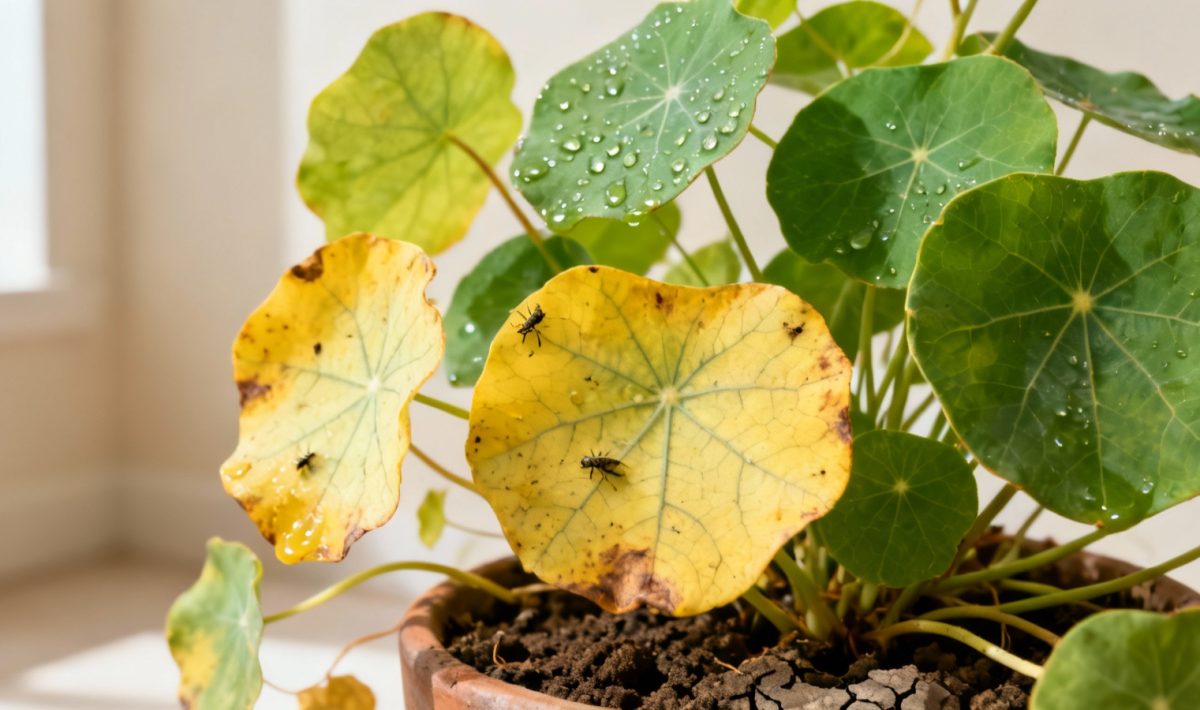
Overwatered turtle vines typically show yellowing that starts from the bottom leaves and progresses upward. The soil will feel consistently soggy, and you might notice a musty odor coming from the pot. The plant may also develop soft, mushy stems and show signs of fungal growth on the soil surface.
Identifying underwatering symptoms
Underwatered plants often have yellow leaves that feel dry and crispy to the touch. The soil pulls away from the pot edges, and the plant appears wilted even after watering. Unlike overwatering, underwatering yellowing usually affects older leaves first as the plant redirects resources to newer growth.
Environmental stress factors
Temperature fluctuations can significantly impact turtle vine health and leaf coloration. These plants are sensitive to sudden changes in their environment, and temperature stress often manifests as yellowing leaves. Most turtle vine species prefer stable temperatures between 65-75°F and can struggle when exposed to drafts, heating vents, or air conditioning units.
Light conditions also play a crucial role in leaf health. While turtle vines can adapt to various lighting situations, insufficient light often causes leaves to yellow as the plant struggles to photosynthesize effectively. Conversely, too much direct sunlight can scorch the leaves, leading to yellowing and browning. Many gardeners find that similar symptoms occur with other plants, such as the causes of bittersweet leaf yellowing which shares common environmental stress factors.
Humidity requirements
Turtle vines often prefer higher humidity levels than typical indoor environments provide. Low humidity can cause leaf edges to yellow and brown, particularly during winter months when heating systems dry out the air. Maintaining humidity levels between 40-60% through misting, humidity trays, or humidifiers can prevent this issue.
Nutrient deficiencies and soil health
Poor soil nutrition frequently contributes to yellowing leaves in turtle vines. Nitrogen deficiency is particularly common and typically causes older leaves to yellow first, as the plant moves this mobile nutrient to support new growth. Iron deficiency, on the other hand, causes yellowing between leaf veins while the veins themselves remain green.
Soil pH also affects nutrient availability. If the soil is too alkaline or acidic, the plant cannot absorb nutrients effectively, even if they’re present in the soil. Most turtle vines prefer slightly acidic to neutral soil with a pH between 6.0-7.0. Testing your soil pH and adjusting it accordingly can resolve many nutrient-related yellowing issues.
Fertilization strategies
Regular feeding with a balanced, water-soluble fertilizer can prevent nutrient deficiencies. During the growing season, monthly fertilization is usually sufficient. However, overfertilization can also cause problems, leading to salt buildup in the soil that interferes with water and nutrient uptake.
✅ Quick Checklist
- Is the soil too wet or too dry?
- Is the plant getting 6+ hours of sunlight daily?
- Have you fertilized in the last 2 months?
- Are there visible pests under the leaves?
- Does the pot have adequate drainage?
Diagnose your plant in one click!
AI instant diagnosis • Personalized solutions • 50,000+ species
Pest and disease issues
Various pests can cause turtle vine leaves to yellow as they feed on plant juices or transmit diseases. Spider mites, aphids, and scale insects are common culprits that weaken the plant and interfere with normal leaf function. These pests often target stressed plants, so maintaining good overall plant health is the best prevention.
Fungal diseases can also cause yellowing, particularly in humid conditions or when plants are overcrowded. Root rot, leaf spot, and powdery mildew are common issues that can affect leaf color and overall plant vitality. This problem isn’t unique to turtle vines – many houseplants experience similar issues, including the solutions for yellowing angel’s-wings leaves which often stem from similar fungal or pest-related causes.
Prevention and treatment
Regular inspection of your plants can help catch pest and disease problems early. Look for small moving insects, webbing, sticky honeydew, or unusual spots on leaves. Treating problems promptly with appropriate insecticidal soaps, neem oil, or fungicides can prevent minor issues from becoming major problems.
Recovery and prevention strategies
Once you’ve identified the cause of yellow leaves, taking corrective action quickly can help your turtle vine recover. Remove severely yellowed leaves to redirect the plant’s energy toward healthy growth. Adjust watering schedules, improve drainage, or move the plant to a more suitable location as needed.
For long-term success, establish a consistent care routine that includes regular watering checks, monthly fertilization during growing season, and periodic pest inspections. Keep detailed notes about your plant’s preferences and responses to different treatments, as this information will help you provide better care over time.
Creating optimal growing conditions
The key to preventing yellow leaves is creating stable growing conditions that meet your turtle vine’s specific needs. This includes providing appropriate light levels, maintaining consistent temperature and humidity, using well-draining soil, and following a regular feeding schedule. With proper care, these resilient plants can thrive for many years and provide beautiful foliage throughout their growing season.

Allan is a lifelong gardening enthusiast who still gets excited when the first seedlings pop up in spring. With a deep love for nature and a hands-in-the-soil approach, he shares practical tips, plant discoveries, and clever tricks picked up over years of digging, planting, and observing. Whether you’re a new gardener or have a shed full of tools, Allan writes like a neighbor who’s always happy to swap cuttings and stories over the fence.
You can find more about Allan’s work on Malt or connect with him on LinkedIn.