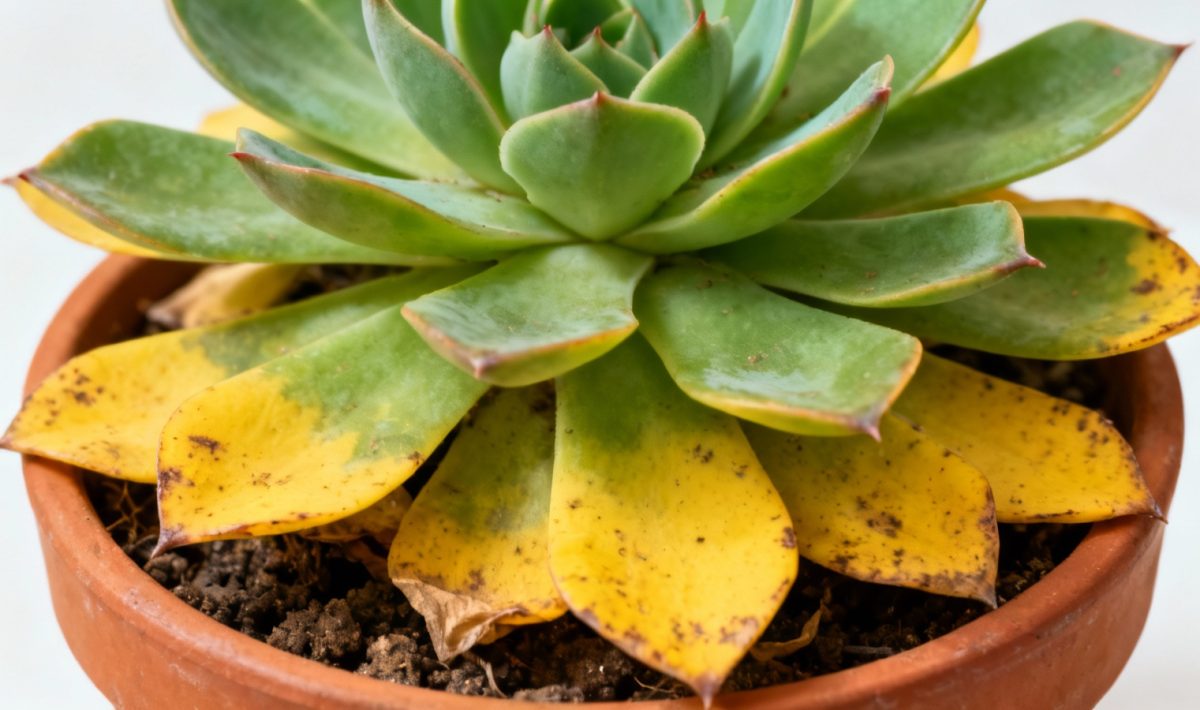
Why are my common houseleek leaves turning yellow – diagnosis and care solutions
Today I’m sharing with you the most common reasons why your beautiful houseleek might be showing yellow leaves and what you can do about it. This hardy succulent is usually quite resilient, but when those vibrant green leaves start turning yellow, it’s nature’s way of telling you something needs attention.
Yellow leaves on houseleeks are often a sign of stress, and understanding the root cause will help you restore your plant’s health quickly. Let’s dive into the main culprits and their solutions.
The environment plays a crucial role in your houseleek’s health. These hardy plants from mountainous regions are adapted to specific conditions, and deviations can cause stress.
Light exposure issues
Houseleeks thrive with plenty of sunlight, ideally six hours or more daily. When they don’t receive adequate light, the lower leaves often turn yellow as the plant redirects energy to new growth. This is particularly common during winter months or when plants are kept indoors.
On the flip side, sudden exposure to intense summer heat can also cause leaf yellowing. If you’ve recently moved your plant from a shaded area to full sun, the shock can manifest as yellow leaves within days.
Temperature fluctuations
These resilient plants can handle cold temperatures, but dramatic swings stress them considerably. In many regions, late spring frosts followed by warm days create challenging conditions that often result in yellowing foliage.
Indoor houseleeks face similar challenges near heating vents or drafty windows. Consistent temperatures between 65-75°F work best for maintaining healthy green leaves year-round.
✅ Quick Checklist
Is the soil too wet or too dry?
Is the plant getting 6+ hours of sunlight daily?
Have you fertilized in the last 2 months?
Are there visible pests under the leaves?
Does the pot have adequate drainage?
🔥 FREE
📱
Diagnose your plant in one click!
AI instant diagnosis • Personalized solutions • 50,000+ species
Water management is where most houseleek problems begin. These drought-tolerant plants have specific needs that, when ignored, quickly lead to yellow leaves.
Overwatering complications
The most common cause of yellowing leaves is excessive moisture. Houseleeks store water in their thick leaves and require minimal irrigation. When soil stays wet for extended periods, root rot develops, preventing proper nutrient uptake.
Signs of overwatering include soft, mushy yellow leaves that feel different from healthy foliage. The yellowing typically starts from the bottom and works upward as the plant struggles with compromised roots.
Soil quality and drainage
Poor drainage creates the perfect environment for root problems. Standard potting soil retains too much moisture for houseleeks, which need well-draining, gritty substrate similar to their native mountain habitats.
A proper mix consists of 50% regular potting soil combined with perlite, coarse sand, or pumice. This ensures water drains quickly while providing necessary nutrients for healthy growth.
Similar watering issues can affect other garden plants, as seen with causes for yellow columbine leaves, where moisture stress creates comparable symptoms.
Diseases and pest problems
While houseleeks are generally disease-resistant, certain conditions can compromise their health and lead to yellowing foliage.
Fungal infections
Fungal diseases thrive in humid, poorly ventilated conditions. Crown rot and leaf spot are the most common culprits, often developing when plants are overwatered or grown in areas with poor air circulation.
Infected leaves show yellow patches that gradually expand, sometimes with dark spots or fuzzy growth. Remove affected foliage immediately and improve growing conditions to prevent spread.
Common pests
Aphids and mealybugs occasionally target houseleeks, particularly stressed plants. These pests drain plant fluids, causing leaves to yellow and weaken over time.
Inspect plants regularly, checking under leaves and around the crown for small insects or white, cottony masses. Early detection makes treatment much more effective.
Natural aging process
Sometimes yellow leaves are simply part of your plant’s natural lifecycle. Houseleeks regularly shed older, lower leaves as they focus energy on new growth and reproduction.
This normal aging creates yellow leaves that feel firm and detach easily when gently pulled. Unlike stress-related yellowing, this process affects only a few leaves at a time and doesn’t spread rapidly.
Many garden plants experience similar natural leaf cycles, including reasons for yellow mallow leaves, where seasonal changes trigger normal leaf turnover.
Prevention and treatment strategies
Preventing yellow leaves starts with understanding your houseleek’s basic needs and creating optimal growing conditions.
Proper watering technique
Water deeply but infrequently, allowing soil to dry completely between irrigations. During active growing season, this typically means watering every 7-10 days, while winter watering should be reduced to monthly or less.
Always water at the soil level rather than overhead to prevent moisture from collecting in the rosette center, which can lead to rot.
Optimal growing conditions
Position your houseleek where it receives morning sun and afternoon shade in hot climates, or full sun in cooler regions. Good air circulation prevents fungal issues while maintaining the dry conditions these plants prefer.
✅ Quick Checklist
Is the soil too wet or too dry?
Is the plant getting 6+ hours of sunlight daily?
Have you fertilized in the last 2 months?
Are there visible pests under the leaves?
Does the pot have adequate drainage?
🔥 FREE
📱
Diagnose your plant in one click!
AI instant diagnosis • Personalized solutions • 50,000+ species
When dealing with yellow leaves, first remove any soft, mushy foliage to prevent disease spread. Assess your watering schedule and soil drainage, making adjustments as needed.
For severely affected plants, consider repotting in fresh, well-draining soil after inspecting and trimming any damaged roots. With proper care adjustments, healthy new growth typically appears within 2-3 weeks.
Remember that patience is key when nursing stressed houseleeks back to health. These resilient plants can recover from most problems when given appropriate conditions and time to reestablish themselves.
Allan is a lifelong gardening enthusiast who still gets excited when the first seedlings pop up in spring. With a deep love for nature and a hands-in-the-soil approach, he shares practical tips, plant discoveries, and clever tricks picked up over years of digging, planting, and observing. Whether you’re a new gardener or have a shed full of tools, Allan writes like a neighbor who’s always happy to swap cuttings and stories over the fence.
You can find more about Allan’s work on Malt or connect with him on LinkedIn.