
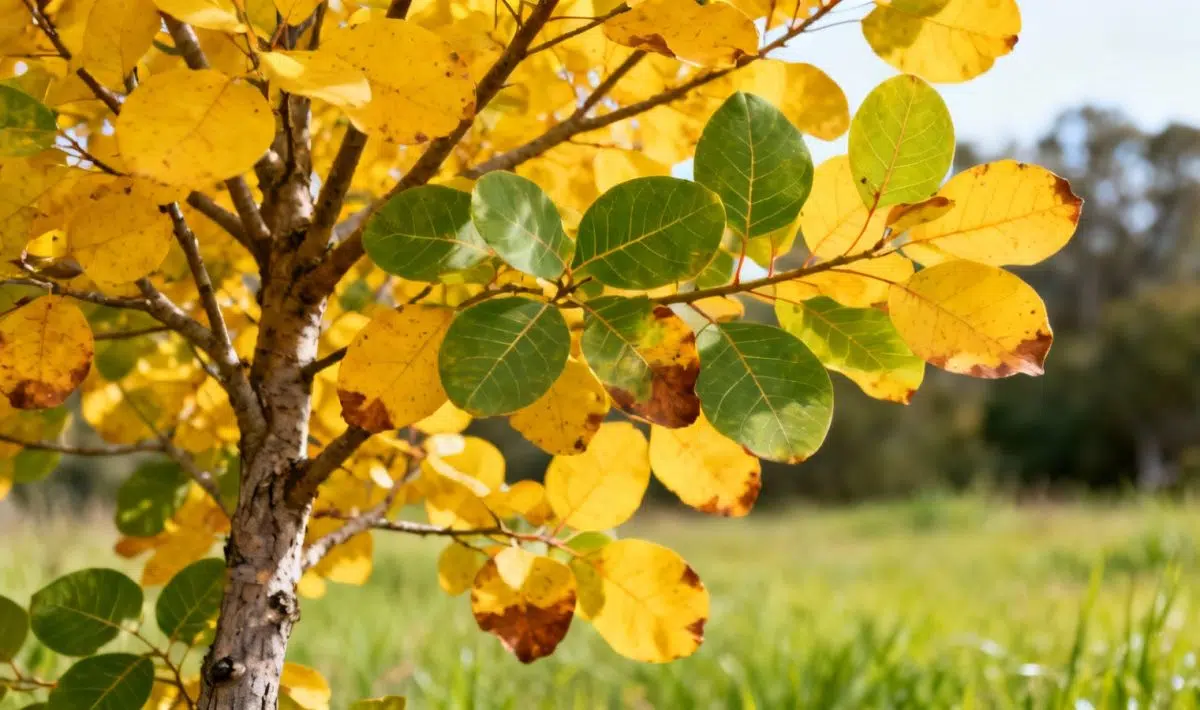
If you’ve noticed your beautiful smoketree developing yellow leaves, you’re not alone in this common gardening concern. This striking shrub, known for its dramatic autumn colors and unique smoke-like flower plumes, can sometimes show distress through yellowing foliage. Understanding why are my smoketree leaves turning yellow is essential for maintaining a healthy and vibrant tree that will continue to provide stunning seasonal displays for years to come.
Several factors can contribute to this issue, from natural seasonal changes to more serious underlying problems that require immediate attention. The good news is that most causes are preventable with proper care and early intervention.
Understanding the main causes of yellowing smoketree leaves
When your smoketree’s leaves start turning yellow unexpectedly, it’s often a sign that the plant is experiencing some form of stress. These hardy shrubs are generally resilient, but they do have specific needs that must be met for optimal health.
✅ Quick Checklist
- Is the soil too wet or too dry?
- Is the plant getting 6+ hours of sunlight daily?
- Have you fertilized in the last 2 months?
- Are there visible pests under the leaves?
- Does the pot have adequate drainage?
Diagnose your plant in one click!
AI instant diagnosis • Personalized solutions • 50,000+ species
Water stress and drainage issues
One of the most frequent culprits behind yellow leaves is improper watering. Smoketrees prefer well-drained soil and can actually suffer from both overwatering and underwatering. When the tree receives too much water, the roots become waterlogged and cannot absorb nutrients properly, leading to yellowing foliage.
Conversely, prolonged drought conditions can also stress the plant. During dry spells, the tree will sacrifice older leaves first, turning them yellow before dropping them to conserve water for new growth. This natural response helps the shrub survive difficult conditions.
Soil conditions and nutrient deficiencies
Poor soil quality can significantly impact your smoketree’s health. These plants thrive in slightly alkaline soil with good drainage. If your soil is too acidic or lacks essential nutrients like nitrogen, iron, or magnesium, the leaves may develop yellow patches or turn completely yellow.
Heavy clay soils that retain water can create anaerobic conditions around the roots, preventing proper nutrient uptake. Similarly, sandy soils that drain too quickly may not retain enough moisture and nutrients for the tree to flourish.
Effective prevention strategies for healthy autumn foliage
Preventing yellowing leaves requires a proactive approach to smoketree care. By understanding your plant’s needs and implementing proper gardening techniques, you can ensure your tree maintains its vibrant appearance throughout the growing season.
Proper watering techniques and timing
Establishing a consistent watering routine is crucial for preventing stress-related yellowing. Water your smoketree deeply but infrequently, allowing the soil to dry slightly between waterings. This encourages the development of a strong root system that can better withstand periods of drought.
During the first year after planting, provide approximately one inch of water per week. Mature trees are more drought-tolerant but will still benefit from regular watering during extended dry periods. Always water at the base of the tree rather than overhead to prevent fungal diseases.
Soil improvement and fertilization
Testing your soil’s pH and nutrient levels provides valuable insights into what your smoketree needs to thrive. These plants prefer a pH between 6.0 and 8.0, with good organic matter content for nutrient retention.
Apply a balanced, slow-release fertilizer in early spring to support healthy growth throughout the season. Avoid over-fertilizing, as this can actually promote excessive foliage growth at the expense of the tree’s natural autumn color development.
Recognizing natural autumn changes versus problems
It’s important to distinguish between natural seasonal changes and actual health issues. Smoketrees, like many deciduous plants, naturally turn beautiful shades of yellow, orange, and red in autumn before dropping their leaves for winter dormancy.
Natural autumn coloring typically begins gradually and affects the entire tree uniformly. The color change often starts with older leaves and progresses to younger ones over several weeks. This process is completely normal and actually one of the reasons gardeners choose these stunning trees for their landscapes.
When to be concerned about leaf yellowing
However, if yellowing occurs during the growing season (spring through mid-summer), or if it appears suddenly and affects only certain branches, this may indicate a problem requiring attention. Look for additional symptoms such as wilting, brown spots, or premature leaf drop.
Pest infestations can also cause yellowing leaves. Check for signs of aphids, spider mites, or scale insects, particularly on the undersides of leaves. These problems are often easier to treat when caught early, before they cause significant damage to your tree.
✅ Quick Checklist
- Is the soil too wet or too dry?
- Is the plant getting 6+ hours of sunlight daily?
- Have you fertilized in the last 2 months?
- Are there visible pests under the leaves?
- Does the pot have adequate drainage?
Diagnose your plant in one click!
AI instant diagnosis • Personalized solutions • 50,000+ species
Comparing with other garden plants
Understanding how other plants in your garden respond to similar conditions can help you identify the root cause of yellowing leaves. For instance, if you’re also noticing causes of yellowing bittersweet leaves in nearby plants, this might indicate a broader soil or environmental issue affecting multiple species.
Similarly, houseplant owners might recognize similar patterns in their indoor gardens, where solutions for yellow angel’s-wings leaves often involve adjusting watering schedules and improving drainage – principles that apply equally well to outdoor smoketrees.
Long-term care for vibrant autumn displays
Creating the ideal conditions for your smoketree will not only prevent problematic yellowing but also enhance the natural autumn color display that makes this plant so desirable. These hardy shrubs can live for decades with proper care, providing years of stunning seasonal beauty.
Seasonal maintenance routines
Develop a yearly care schedule that includes spring fertilization, summer monitoring for pests and diseases, and autumn cleanup. Remove any dead or diseased branches promptly to prevent problems from spreading to healthy parts of the tree.
Mulching around the base of the tree helps retain moisture, regulate soil temperature, and suppress weeds that compete for nutrients. Apply a 2-3 inch layer of organic mulch, keeping it several inches away from the trunk to prevent pest and disease issues.
Regular observation of your smoketree throughout the growing season allows you to catch potential problems early. Look for changes in leaf color, growth patterns, and overall plant vigor. Early intervention is always more effective than trying to address advanced problems.
With proper understanding and care, your smoketree will continue to provide the dramatic autumn color and unique texture that makes it such a valuable addition to any landscape. Remember that some yellowing is perfectly natural as the seasons change, but persistent or unusual patterns may require attention to keep your tree healthy and beautiful for years to come.

Allan is a lifelong gardening enthusiast who still gets excited when the first seedlings pop up in spring. With a deep love for nature and a hands-in-the-soil approach, he shares practical tips, plant discoveries, and clever tricks picked up over years of digging, planting, and observing. Whether you’re a new gardener or have a shed full of tools, Allan writes like a neighbor who’s always happy to swap cuttings and stories over the fence.
You can find more about Allan’s work on Malt or connect with him on LinkedIn.


