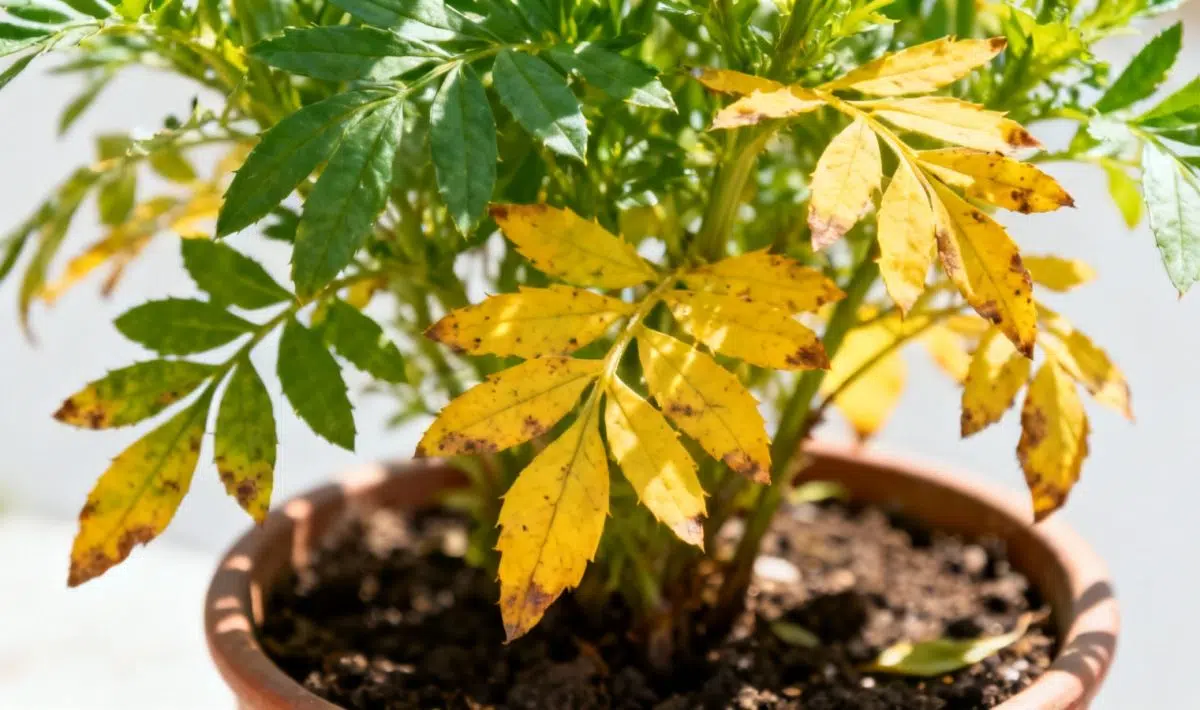
Why are my african marigold leaves turning yellow – plant care solutions
If your African marigold leaves are turning yellow, you’re not alone in facing this common gardening challenge. These vibrant ornamental plants can develop yellow foliage for various reasons, from nutrient deficiencies to environmental stress. Understanding the root cause is essential for restoring your plant’s health and ensuring continued growth throughout the growing season.
African marigolds (Tagetes erecta) are generally hardy plants, but they can signal distress through their leaves. When the lower leaves start yellowing first, it often indicates natural aging, but widespread yellowing suggests underlying issues that need attention.
Understanding nutrient deficiencies in African marigolds
Nitrogen deficiency is one of the most common reasons why African marigold leaves turn yellow. This essential nutrient supports leaf development and maintains the vibrant green color that healthy plants display. When soil lacks adequate nitrogen, the plant redistributes this nutrient from older leaves to support new growth.
The yellowing typically starts with the lower leaves and progresses upward if left untreated. You can identify nitrogen deficiency by observing uniform yellowing across the leaf surface, with the leaf veins remaining slightly greener. Plants with this deficiency also show stunted growth and reduced flower production.
Organic matter plays a crucial role in providing steady nitrogen release throughout the growing season. Compost, aged manure, or well-rotted organic materials help maintain soil fertility while improving water retention and drainage. These amendments break down slowly, feeding your plants consistently over time.
Signs of other nutrient deficiencies
Iron deficiency causes yellowing between leaf veins while the veins themselves remain green, creating a distinctive pattern called interveinal chlorosis. This condition often occurs in alkaline soils where iron becomes unavailable to the plant, even when present in adequate quantities.
Potassium deficiency manifests as yellowing leaf margins that gradually turn brown and crispy. The center of the leaf may remain green initially, but the edges show clear signs of distress. This nutrient is essential for water regulation and disease resistance in plants.
Magnesium deficiency typically affects older leaves first, causing yellowing between the veins while the main veins stay green. This creates a marbled appearance that’s quite distinctive from other nutrient deficiencies.
Environmental factors affecting leaf color
Water management significantly impacts the health of African marigolds and can cause yellowing leaves when done incorrectly. These plants prefer consistent moisture but cannot tolerate waterlogged conditions that restrict oxygen flow to the root system.
Overwatering creates anaerobic soil conditions that prevent roots from absorbing nutrients effectively. The plant responds by yellowing leaves, starting with the lower ones, and may develop root rot if the problem persists. Conversely, underwatering stresses the plant and causes leaves to yellow and wilt as a conservation mechanism.
Light conditions also influence leaf health in African marigolds. While these plants are generally sun-loving, sudden changes in light exposure can cause stress. Plants moved from shade to full sun may experience leaf scorching, while those in insufficient light develop pale, yellowing foliage as they struggle to photosynthesize effectively.
Soil pH and drainage considerations
Soil pH affects nutrient availability, and African marigolds prefer slightly acidic to neutral soil between 6.0 and 7.0. When soil becomes too alkaline or acidic, certain nutrients become chemically bound and unavailable to the plant, leading to deficiency symptoms despite adequate soil nutrition.
Poor drainage compounds many yellowing issues by creating conditions that promote fungal diseases and root problems. Clay soils or containers without adequate drainage holes can trap excess water around the root zone, leading to oxygen deprivation and subsequent leaf yellowing.
Adding organic matter like compost or aged manure improves both drainage and water retention, creating the ideal soil structure for healthy root development. This amendment also supports beneficial soil organisms that help break down nutrients for plant uptake.
Disease and pest-related yellowing
Fungal diseases often cause yellowing in African marigolds, particularly in humid conditions or when water sits on the leaves for extended periods. Fusarium wilt, for example, blocks the plant’s vascular system, preventing water and nutrient transport to the leaves.
Bacterial infections can also lead to yellowing, often accompanied by brown or black spots on the leaves. These pathogens typically enter through wounds or natural openings and spread rapidly in warm, moist conditions.
Various insects can cause yellowing by feeding on plant sap or transmitting viral diseases. Aphids, spider mites, and whiteflies are common culprits that weaken plants through their feeding activities. Similar to how causes of yellowing bittersweet leaves can vary, these pests affect different plants in comparable ways.
Prevention and treatment strategies
Proper spacing between plants promotes air circulation and reduces humidity around the foliage, creating less favorable conditions for fungal diseases. Avoid overhead watering when possible, directing water to the soil rather than the leaves.
Regular inspection helps catch pest problems early when they’re easier to manage. Look for signs of insects on both the upper and lower leaf surfaces, as many pests prefer to hide underneath leaves during the day.
Natural treatments include neem oil for soft-bodied insects and copper-based fungicides for bacterial infections. These organic options are effective while being gentler on beneficial insects and soil organisms.
✅ Quick Checklist
Is the soil too wet or too dry?
Is the plant getting 6+ hours of sunlight daily?
Have you fertilized in the last 2 months?
Are there visible pests under the leaves?
Does the pot have adequate drainage?
🔥 FREE
📱
Diagnose your plant in one click!
AI instant diagnosis • Personalized solutions • 50,000+ species
Establishing a consistent watering schedule helps prevent both drought stress and overwatering issues. Check soil moisture by inserting your finger about two inches deep – water when the top inch feels dry but the deeper soil retains some moisture.
Fertilizing with a balanced, water-soluble fertilizer every two to three weeks during the growing season provides essential nutrients for healthy leaf development. Choose a fertilizer with equal nitrogen, phosphorus, and potassium ratios, or use organic alternatives like compost tea.
Mulching around plants helps maintain consistent soil moisture and temperature while suppressing weeds that compete for nutrients. Use organic mulches like shredded bark or compost that will decompose and add nutrients to the soil over time. This approach mirrors effective care strategies found in solutions for yellowing angel’s wings where consistent moisture management proves crucial.
Long-term plant health strategies
Crop rotation helps prevent soil-borne diseases and nutrient depletion when growing marigolds in the same location year after year. Plant different crops or ornamental plants in the same spot to break disease cycles and maintain soil health.
Regular soil testing every few years helps identify pH imbalances and nutrient deficiencies before they become visible in plant symptoms. Most county extension offices offer affordable soil testing services with specific recommendations for your local conditions.
Companion planting with beneficial crops can improve overall garden health and reduce pest pressures. Marigolds themselves are excellent companion plants that repel many harmful insects while attracting beneficial pollinators to the garden.
By understanding these various factors that cause African marigold leaves to turn yellow, you can address problems quickly and maintain healthy, vibrant plants throughout the growing season. Remember that prevention through proper care practices is always more effective than treating problems after they develop.
Allan is a lifelong gardening enthusiast who still gets excited when the first seedlings pop up in spring. With a deep love for nature and a hands-in-the-soil approach, he shares practical tips, plant discoveries, and clever tricks picked up over years of digging, planting, and observing. Whether you’re a new gardener or have a shed full of tools, Allan writes like a neighbor who’s always happy to swap cuttings and stories over the fence.
You can find more about Allan’s work on Malt or connect with him on LinkedIn.