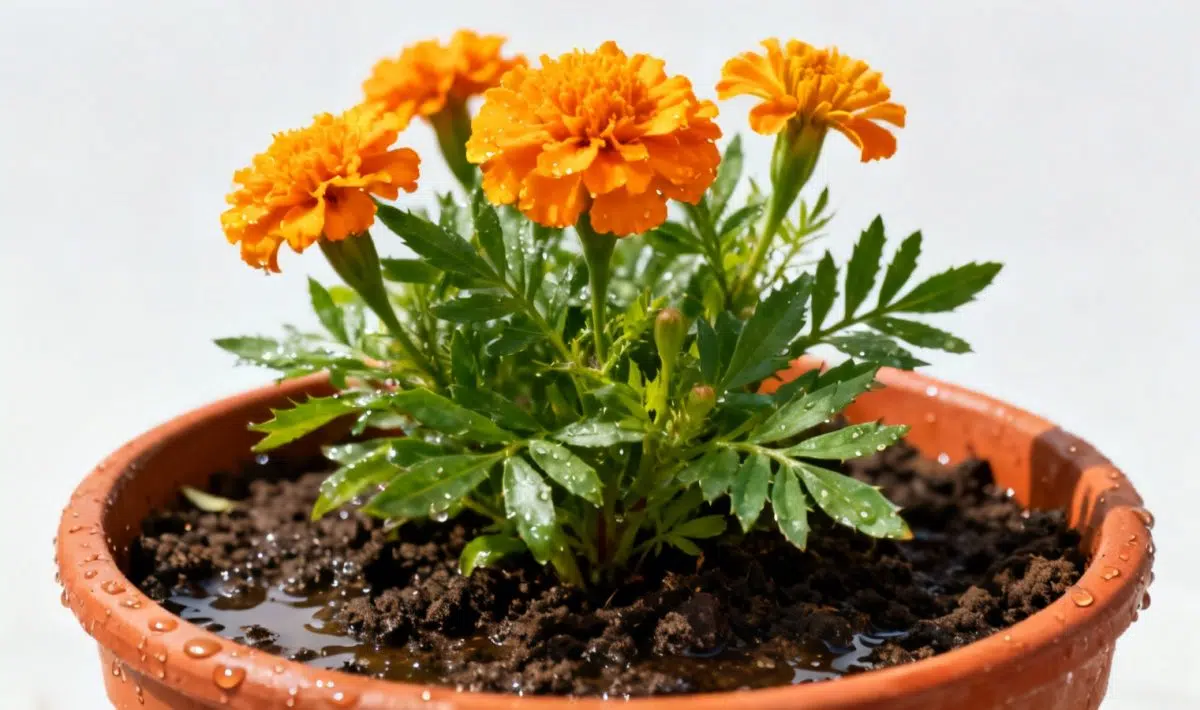
When it comes to caring for your pot marigold flowers, understanding their water requirements is essential for success. These hardy plants, also known as Calendula officinalis, are surprisingly drought-tolerant once established, making them excellent choices for gardeners who want beautiful blooms without constant maintenance. The key lies in finding the right balance between providing enough moisture for healthy growth while avoiding the common pitfall of overwatering.
Pot marigolds are remarkably adaptable plants that can thrive in various soil conditions. However, they prefer well-draining soil that doesn’t retain excessive moisture. These flowers have developed deep root systems that allow them to access water from lower soil levels, which explains their natural resilience during dry periods.
How often should you water your pot marigold throughout the growing season
The watering frequency for your pot marigold depends largely on the growth stage and environmental conditions. During the initial planting phase, when you’re working with seeds or young seedlings, more frequent watering is necessary to establish strong roots. Once your plants are mature, they typically require water only once or twice per week, depending on weather conditions and soil type.
For established pot marigolds in garden beds, a deep watering session once weekly is usually sufficient. This approach encourages the roots to grow deeper into the soil, creating more resilient plants. During particularly hot summer months, you might need to increase this to twice weekly, but always check the soil moisture first by inserting your finger about two inches into the ground.
Spring watering considerations
Spring presents unique challenges for watering pot marigolds, especially if you’re starting from seeds. During germination, these seeds need consistent moisture but not waterlogged conditions. Water your newly planted marigold seeds gently twice daily, preferably in the morning and early afternoon, avoiding evening watering which can promote fungal issues.
As temperatures begin to warm in late spring, you can gradually reduce watering frequency. Young plants that have developed their first true leaves typically need water every other day, depending on rainfall and soil drainage. This transitional period is crucial for establishing strong root systems that will support abundant flower production later in the season.
Container vs. ground planting differences
Pot marigolds grown in containers require more frequent watering than those planted directly in garden soil. Container plants dry out faster due to increased air exposure around the root zone and limited soil volume. Check container-grown marigolds daily during warm weather, as they may need water every day or every other day.
For ground-planted specimens, the larger soil volume and natural moisture retention mean less frequent watering is needed. These plants can often survive on rainfall alone in many climates, requiring supplemental irrigation only during extended dry periods. The difference in watering needs between container and ground planting is significant and should influence your care routine.
Proper watering techniques for optimal results
The method you use to water your pot marigolds is just as important as the frequency. Always water at soil level rather than from above to prevent moisture from sitting on leaves, which can lead to fungal diseases. Use a watering can with a long spout or a drip irrigation system to deliver water directly to the root zone.
Water early in the morning when possible, as this allows plants to absorb moisture before the day’s heat and gives any excess water time to evaporate from leaf surfaces. Morning watering also ensures your marigolds are well-hydrated to withstand afternoon heat stress. Similar principles apply to other herbs in your garden, and you might find our tips for watering your spearmint plants helpful for creating a comprehensive watering routine.
Soil preparation and drainage
Good drainage is absolutely critical for healthy pot marigolds. These plants are susceptible to root rot if left in waterlogged soil for extended periods. Before planting, amend heavy clay soils with compost or sand to improve drainage. In raised beds or containers, use a high-quality potting mix that drains well while retaining some moisture.
The soil mix you choose directly impacts your watering schedule. Fast-draining soils may require more frequent watering, while moisture-retentive soils need less frequent applications. Test your soil’s drainage by digging a small hole and filling it with water – if it doesn’t drain within a few hours, you’ll need to improve the drainage before planting.
Recognizing proper soil moisture levels
Learning to assess soil moisture accurately will help you determine when your pot marigolds need water. The top inch of soil should feel slightly dry between waterings, while the deeper soil should retain some moisture. Stick your finger into the soil near your plants – if it feels dry beyond the first inch, it’s time to water.
Visual cues from your plants can also indicate their water needs. Healthy, well-watered marigolds have firm, upright stems and vibrant green foliage. Slightly wilted leaves in the heat of the day are normal, but if plants remain wilted in the morning or evening, they likely need more water. Just as with other garden plants, understanding these signs is crucial – you can learn more about plant hydration needs in our guidelines for loquat watering frequency.
Seasonal watering adjustments
Your pot marigold watering routine should evolve with the seasons to match changing environmental conditions. Summer typically requires the most frequent watering, especially during heat waves when soil moisture evaporates rapidly. During these periods, even drought-tolerant marigolds benefit from extra attention to maintain continuous flowering.
Fall watering should gradually decrease as temperatures cool and rainfall often increases. Reduce watering frequency but maintain deep, thorough applications when needed. This helps prepare plants for potential frost while preventing the soggy conditions that can lead to disease problems in cooler weather.
Weather-based watering decisions
Natural rainfall should always factor into your watering decisions. After significant rain events, check soil moisture before watering to avoid oversaturating the root zone. During extended dry spells, increase watering frequency while maintaining the deep, less frequent approach that encourages strong root development.
Wind and humidity levels also affect how quickly soil dries out. Windy conditions and low humidity increase evaporation rates, potentially requiring more frequent watering. Conversely, high humidity and calm conditions may allow you to extend time between waterings. Understanding these environmental factors helps you adapt your care routine effectively, much like the watering recommendations for rosemary plants that also require attention to weather conditions.
Signs of proper watering and plant health
Well-watered pot marigolds display several characteristic signs of good health. The flowers should be abundant and vibrant, with strong stems that support the blooms without drooping. Foliage should appear bright green and full, without yellowing or brown edges that might indicate water stress or overwatering.
Healthy marigolds also demonstrate good growth patterns, with new buds forming regularly throughout the growing season. The plants should maintain their compact, bushy shape without becoming leggy or sparse. Regular deadheading of spent blooms, combined with proper watering, encourages continuous flower production well into fall.
Avoiding common watering mistakes
Overwatering is often more damaging than underwatering for pot marigolds. These resilient flowers prefer slightly dry conditions to constantly moist soil. Signs of overwatering include yellowing leaves, mushy stems, and reduced flowering. If you notice these symptoms, reduce watering frequency and improve soil drainage if necessary.
Inconsistent watering can also stress plants and reduce their performance. Rather than giving small amounts of water frequently, provide deep, thorough waterings less often. This approach mimics natural rainfall patterns and encourages deeper root growth. For gardeners managing multiple plant types, understanding different watering needs is essential – our best practices for arborvitae watering can help you develop a comprehensive garden watering strategy.
By following these guidelines and paying attention to your plants’ individual needs, you’ll enjoy healthy, blooming pot marigolds throughout the growing season. Remember that these adaptable flowers are quite forgiving, so don’t worry if you occasionally miss a watering session – they’re likely more resilient than you think.
Allan is a lifelong gardening enthusiast who still gets excited when the first seedlings pop up in spring. With a deep love for nature and a hands-in-the-soil approach, he shares practical tips, plant discoveries, and clever tricks picked up over years of digging, planting, and observing. Whether you’re a new gardener or have a shed full of tools, Allan writes like a neighbor who’s always happy to swap cuttings and stories over the fence.
You can find more about Allan’s work on Malt or connect with him on LinkedIn.