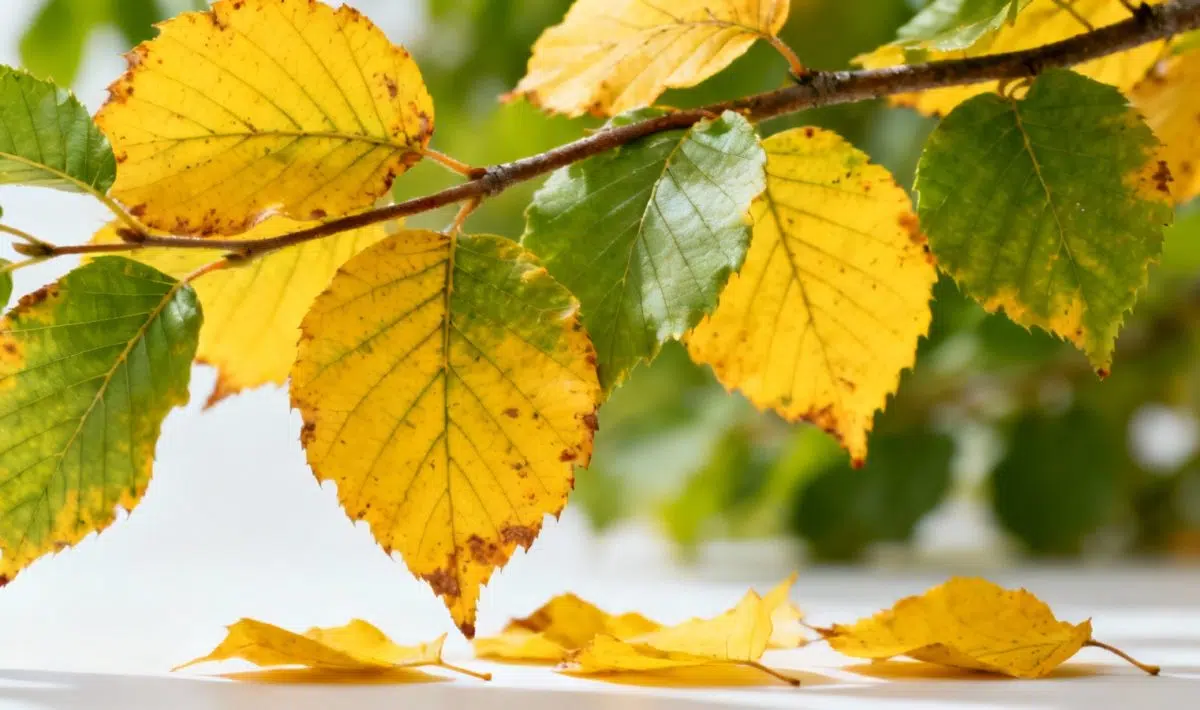
Why are my common hornbeam leaves turning yellow – causes and solutions
Watching your beautiful common hornbeam develop yellowing leaves can be concerning, especially when you’re not sure what’s causing this change. This distinctive tree species, known for its resilience and attractive foliage, may experience leaf yellowing for several reasons that are often manageable with the right approach.
Understanding why your hornbeam’s leaves are changing color is the first step toward restoring its health. Most cases of yellowing leaves stem from environmental stress, nutrient imbalances, or care-related issues that can be addressed once you identify the root cause.
Several factors can trigger leaf yellowing in common hornbeam trees. Water stress remains one of the most frequent culprits, as these trees are sensitive to both drought conditions and waterlogged soil. When the roots cannot access the right amount of moisture, the plant responds by dropping older leaves that turn yellow first.
Nutrient deficiencies also play a significant role in leaf discoloration. Nitrogen deficiency typically causes older leaves to yellow from the bottom up, while iron deficiency creates yellowing between leaf veins. During the growing season, your hornbeam may require additional nutrients to support healthy foliage development.
Seasonal changes naturally cause some yellowing in deciduous trees like hornbeam. However, if yellowing occurs outside of autumn or affects young leaves, this indicates an underlying issue that needs attention.
✅ Quick Checklist
Is the soil too wet or too dry?
Is the plant getting 6+ hours of sunlight daily?
Have you fertilized in the last 2 months?
Are there visible pests under the leaves?
Does the pot have adequate drainage?
🔥 FREE
📱
Diagnose your plant in one click!
AI instant diagnosis • Personalized solutions • 50,000+ species
Poor drainage creates waterlogged conditions that prevent roots from accessing oxygen, leading to yellowing leaves and potential root rot. Common hornbeam trees prefer well-draining soil that retains some moisture but doesn’t become soggy. Check the soil around your tree by inserting your finger about two inches deep – it should feel slightly moist but not wet.
Conversely, drought stress during hot summer months can also cause leaves to yellow and drop prematurely. These trees need consistent moisture, especially during their first few years of establishment. Young trees are particularly vulnerable to water stress and may show symptoms more quickly than mature specimens.
Soil compaction around the root zone can restrict water and nutrient uptake, contributing to leaf yellowing. This often occurs in areas with heavy foot traffic or where construction equipment has compressed the earth.
Nutrient deficiencies affecting leaf color
Nitrogen deficiency is easily recognizable as it causes older leaves to turn yellow while newer growth remains green. This pattern indicates that the plant is moving nutrients from older leaves to support new growth. A balanced fertilizer applied in early spring can help prevent this issue.
Iron chlorosis creates distinctive yellowing between leaf veins while the veins themselves remain green. This condition often occurs in alkaline soils where iron becomes unavailable to the plant, even when present in sufficient quantities. Similar yellowing patterns can affect other species too, such as causes of yellowing columbine leaves which share some environmental sensitivities.
Potassium deficiency typically causes leaf edges to yellow and brown, progressing inward over time. This nutrient is crucial for overall plant health and disease resistance, making its deficiency particularly problematic during stressful periods.
Environmental factors affecting hornbeam health
Light conditions significantly impact leaf health in hornbeam trees. While these trees can tolerate partial shade, insufficient sunlight may cause leaves to yellow and drop as the plant struggles to photosynthesize effectively. Aim for at least four to six hours of direct sunlight daily for optimal health.
Temperature fluctuations, especially sudden changes, can stress the tree and trigger yellowing. Late spring frosts or unexpected heat waves can damage tender new growth, causing it to yellow and wither.
Air pollution and salt exposure from winter road treatments can also contribute to leaf yellowing. Urban environments pose additional challenges for trees, requiring more attentive care to maintain their health.
Pest and disease considerations
Aphids and scale insects can weaken hornbeam trees by feeding on leaf sap, causing yellowing and stunted growth. These pests are often found on the undersides of leaves and may produce sticky honeydew that attracts ants.
Fungal diseases such as anthracnose can cause leaf spots that eventually turn yellow and brown. These diseases thrive in humid conditions and can spread rapidly during wet weather periods.
Root diseases may not be immediately visible but can cause widespread yellowing as they interfere with nutrient and water uptake. Poor drainage and overwatering create ideal conditions for root pathogens to develop.
Practical solutions for healthy hornbeam leaves
Proper watering technique is essential for preventing leaf yellowing. Water deeply but infrequently, allowing the top inch of soil to dry between waterings. This encourages deep root development and improves drought tolerance over time.
Apply a balanced slow-release fertilizer in early spring to provide nutrients throughout the growing season. Avoid over-fertilizing, which can cause rapid, weak growth that is more susceptible to problems.
Mulching around the base of the tree helps retain moisture and regulate soil temperature. Use organic mulch such as shredded bark or compost, keeping it a few inches away from the trunk to prevent pest issues.
✅ Quick Checklist
Is the soil too wet or too dry?
Is the plant getting 6+ hours of sunlight daily?
Have you fertilized in the last 2 months?
Are there visible pests under the leaves?
Does the pot have adequate drainage?
🔥 FREE
📱
Diagnose your plant in one click!
AI instant diagnosis • Personalized solutions • 50,000+ species
Regular monitoring allows you to catch problems early before they become severe. Inspect your hornbeam weekly during the growing season, looking for changes in leaf color, pest activity, or signs of disease.
Improving soil drainage may require adding organic matter or creating raised planting areas. In clay soils, consider incorporating compost or coarse sand to improve structure and water movement.
For iron deficiency in alkaline soils, apply chelated iron supplements according to package directions. These specially formulated products make iron available to plants even in challenging soil conditions. Mediterranean gardens often face similar challenges with plant nutrition, and understanding these issues can help with common mallow leaf yellowing issues and other garden plants that may experience similar symptoms.
Pruning dead or diseased branches helps redirect the tree’s energy toward healthy growth and improves air circulation around the canopy. Perform major pruning during dormancy to minimize stress on the tree.
When to seek professional help
If yellowing persists despite your care efforts, consider consulting a certified arborist for professional diagnosis. Soil testing can reveal specific nutrient deficiencies or pH imbalances that require targeted treatment.
Severe pest infestations or diseases may require professional treatment to prevent tree loss. Early intervention is often more successful and less expensive than waiting until problems become critical.
Remember that some yellowing is normal as trees age and adapt to their environment. Focus on maintaining overall tree health rather than eliminating every yellow leaf, and your common hornbeam will reward you with years of beautiful foliage and reliable performance in your landscape.
Allan is a lifelong gardening enthusiast who still gets excited when the first seedlings pop up in spring. With a deep love for nature and a hands-in-the-soil approach, he shares practical tips, plant discoveries, and clever tricks picked up over years of digging, planting, and observing. Whether you’re a new gardener or have a shed full of tools, Allan writes like a neighbor who’s always happy to swap cuttings and stories over the fence.
You can find more about Allan’s work on Malt or connect with him on LinkedIn.