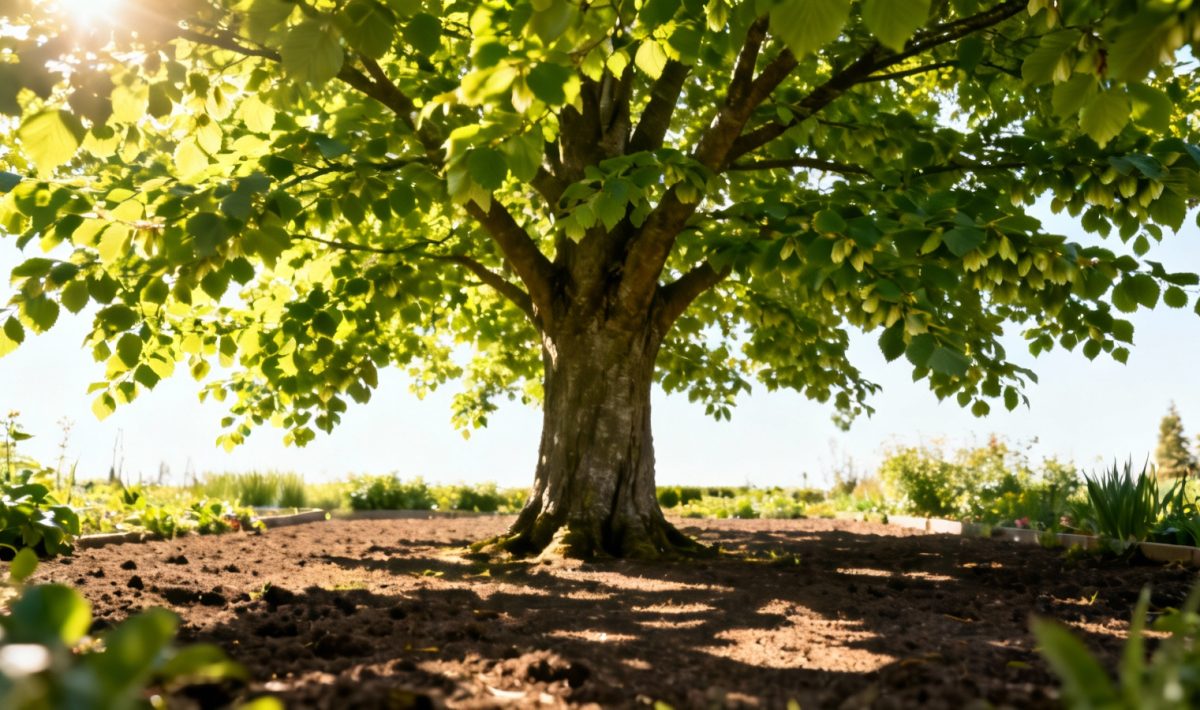
How much sunlight does Common hornbeam need for optimal garden growth
Today I’m sharing everything you need to know about how much sunlight does Common hornbeam need for your garden. This remarkable tree, known scientifically as Carpinus betulus, has become increasingly popular among gardeners for its incredible adaptability and tolerance to various light conditions.
Understanding Common hornbeam’s remarkable light tolerance
The Common hornbeam is truly exceptional when it comes to light requirements. This versatile tree will thrive in conditions ranging from full sun to complete shade, making it perfect for almost any garden location. However, like many trees and plants, it performs best with adequate sunlight exposure for optimal growth and development.
For the healthiest specimens, aim to provide your Common hornbeam with full sun to partial shade conditions. This typically means at least 4-6 hours of direct sunlight daily, though the plant can certainly tolerate much less. The beauty of this species lies in its ability to adapt, which sets it apart from many other flowering trees that demand specific light conditions.
How much sunlight does Common hornbeam need throughout the seasons
During summer months, your Common hornbeam will benefit greatly from morning sunlight, which helps with photosynthesis and overall plant health. The intensity of summer sun can be quite strong, so some afternoon shade actually helps protect the foliage from stress. This is particularly important for young trees that are still establishing their root systems.
Winter light requirements are naturally reduced, as the tree enters dormancy. However, even during these months, any available sunlight will support the plant’s basic metabolic functions. The good news is that Common hornbeam handles winter conditions exceptionally well, with excellent cold tolerance down to zone 5a.
Spring and autumn provide ideal lighting conditions for these trees. The moderate sunlight during these seasons promotes healthy leaf development in spring and beautiful autumn color changes. Many gardeners find that their hornbeams look most spectacular during these transitional periods.
Comparing light needs with other garden species
When planning your garden layout, it’s helpful to understand how Common hornbeam’s light requirements compare with other popular species. Unlike many flowering shrubs that demand full sun for blooms, hornbeams are much more forgiving. For instance, if you’re curious about other plants with specific light needs, you might want to explore information about sunlight requirements for common chokecherry, which has different demands altogether.
This flexibility makes hornbeams excellent companion plants for a variety of garden designs. They work well alongside both sun-loving and shade-tolerant species, creating natural transitions between different garden zones. Their adaptability also makes them perfect for urban environments where light conditions can be unpredictable.
Recognizing optimal growth conditions
You’ll know your Common hornbeam is receiving adequate sunlight when you observe vigorous growth and healthy, dense foliage. Well-lit specimens typically develop more compact, attractive growth patterns compared to those grown in deep shade. The leaves should maintain their characteristic green color throughout the growing season.
Signs that your tree might benefit from more light include sparse branching, elongated growth, and reduced leaf density. However, don’t panic if your hornbeam is in a shadier location – these trees are remarkably resilient and will still thrive, just with a slightly different growth habit.
Practical placement tips for your garden
When choosing the perfect spot for your Common hornbeam, consider the mature size first. These trees can reach impressive heights and spreads, so ensure adequate space for growth. Morning sun with some afternoon protection works wonderfully, especially in warmer climates where intense afternoon heat might stress the plant.
For gardeners dealing with challenging conditions, hornbeams offer great versatility. They handle urban pollution well and can tolerate various soil types, making them excellent choices for city gardens where light might be limited by buildings or other structures.
Seasonal care considerations
During the first few years after planting, pay special attention to your hornbeam’s response to its light conditions. Young trees are more sensitive than established ones, so providing some protection during extreme weather can help them establish successfully. Much like understanding sunlight needs of common hollyhock for flower gardens, knowing your tree’s specific requirements ensures better long-term success.
Summer care involves monitoring for signs of heat stress, particularly if your tree receives intense afternoon sun. Adequate watering becomes crucial during hot periods, regardless of light exposure. The combination of proper hydration and appropriate sunlight creates the ideal growing environment.
Additional factors beyond sunlight
While sunlight is important, Common hornbeam success depends on several other factors. Soil quality plays a significant role – these trees prefer well-draining soil but can adapt to various soil types. Good drainage prevents root problems that can occur regardless of light conditions.
Proper spacing is essential for both light penetration and air circulation. When planting multiple hornbeams or combining them with other plants, ensure each specimen has room to develop naturally. This spacing consideration becomes even more important in areas with limited sunlight, where competition between plants can be more intense.
Understanding companion planting
The shade cast by mature hornbeams creates opportunities for understory plantings. You can create beautiful layered garden designs by choosing shade-tolerant species for the areas beneath your trees. This approach maximizes your garden’s potential while working with natural light patterns.
Consider the seasonal changes in light as your hornbeam matures. Deciduous trees like these provide summer shade but allow winter light through, creating dynamic growing conditions for companion plants throughout the year. This characteristic makes them excellent choices for gardens where you want seasonal variation.
Long-term growth expectations
With proper light and care, Common hornbeam trees develop into magnificent specimens that can enhance any landscape for decades. Their slow to moderate growth rate means patience is required, but the results are well worth the wait. These trees often become focal points in mature gardens.
Regular observation helps you understand how your specific tree responds to its light conditions. Each garden location is unique, and factors like surrounding structures, other vegetation, and seasonal sun patterns all influence the actual light your tree receives. Just as gardeners learn about sunlight information for common lilac for their flowering gardens, understanding your hornbeam’s specific needs takes time and attention.
Maintenance for optimal health
Pruning can help manage light penetration within the tree’s canopy and maintain its attractive shape. Light pruning during dormancy removes any dead or crossing branches and promotes healthy growth patterns. This maintenance becomes particularly important for trees grown in less than ideal light conditions.
Fertilization needs are generally minimal for established hornbeams, especially those receiving adequate sunlight. However, young trees or those in challenging light conditions might benefit from occasional feeding during the growing season. Always follow soil test recommendations for best results.
The versatility that makes hornbeams so appealing extends beyond just light tolerance. These trees handle various weather conditions, soil types, and even urban pollution remarkably well. This adaptability, combined with their moderate light requirements, makes them excellent choices for both novice and experienced gardeners.
Whether you’re planning a new garden or looking to add reliable trees to an existing landscape, Common hornbeam offers the perfect combination of beauty, durability, and flexibility. Their ability to thrive in various light conditions, from full sun to considerable shade, means you can enjoy these magnificent trees regardless of your garden’s specific conditions. For those interested in diverse plant lighting needs, exploring optimal sunlight for zanzibar gem can provide interesting comparisons for indoor gardening projects.
Allan is a lifelong gardening enthusiast who still gets excited when the first seedlings pop up in spring. With a deep love for nature and a hands-in-the-soil approach, he shares practical tips, plant discoveries, and clever tricks picked up over years of digging, planting, and observing. Whether you’re a new gardener or have a shed full of tools, Allan writes like a neighbor who’s always happy to swap cuttings and stories over the fence.
You can find more about Allan’s work on Malt or connect with him on LinkedIn.