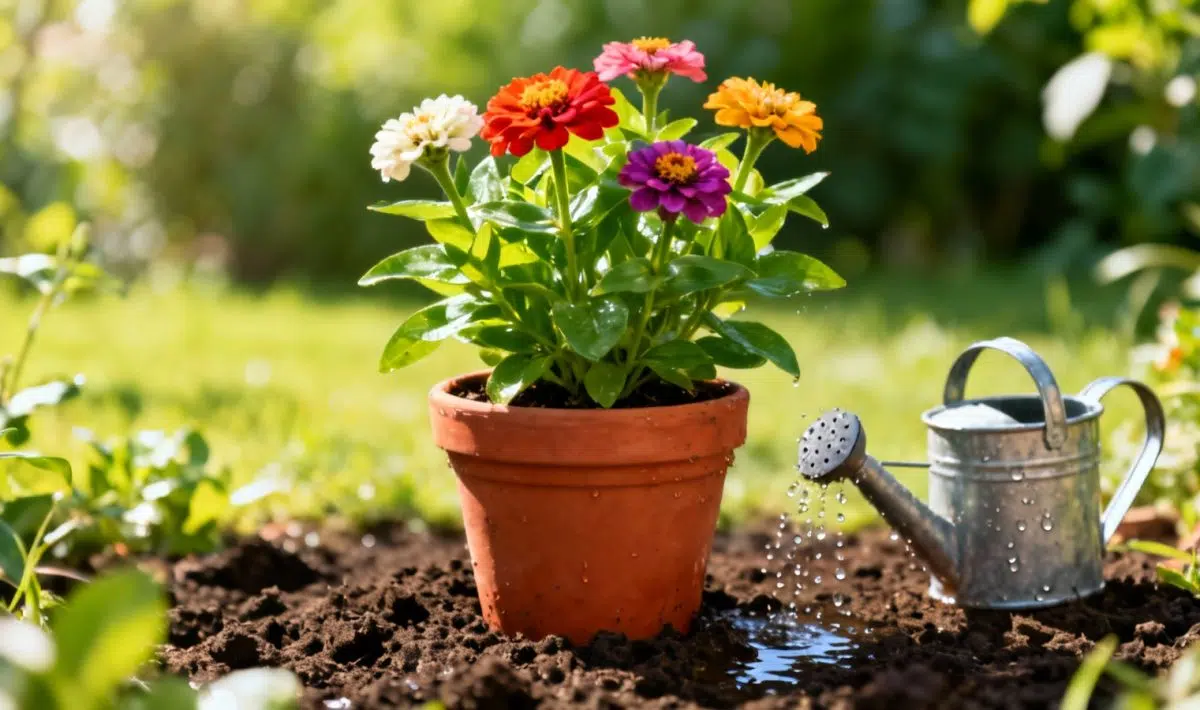
How often should you water your common zinnia for vibrant blooms
When it comes to growing stunning zinnias in your garden, understanding their watering needs is absolutely crucial for success. These vibrant flowers are surprisingly resilient, but getting the watering frequency just right can make the difference between mediocre blooms and a spectacular display. How often should you water your common zinnia depends on several factors, including weather conditions, soil type, and whether you’re growing them in containers or directly in the ground.
The good news is that zinnias are relatively drought-tolerant once established, making them perfect for busy gardeners who want beautiful results with minimal fuss. However, proper watering techniques will ensure your plants thrive and produce those gorgeous, colorful flowers that make zinnias such a popular choice for gardens worldwide.
Common zinnias have moderate water needs that vary significantly based on growing conditions. These hardy flowering plants prefer consistent moisture without being waterlogged, which means you’ll need to find that sweet spot between too little and too much water.
In general conditions, zinnias grown in garden beds require watering about once per week. However, during hot summer months or drought conditions, you may need to increase this frequency to twice weekly. The key is monitoring soil moisture levels rather than sticking to a rigid schedule.
Container-grown zinnias have different requirements altogether. Plants in pots dry out much faster than those planted directly in the ground, so you’ll typically need to water them several times per week. Check the soil surface daily during warm weather – if the top inch feels dry, it’s time to water.
Factors affecting watering frequency for zinnias
Weather and seasonal considerations
Temperature and humidity play major roles in determining how often your zinnias need water. During spring planting season, when temperatures are mild and humidity levels are higher, your plants will require less frequent watering. As summer heat intensifies, increase your watering frequency accordingly.
Rainfall also impacts your watering schedule significantly. After heavy rain, you can skip watering for several days, allowing the soil to dry out slightly before resuming your regular routine. Similarly, just as you would water your common mullein regularly during dry spells, zinnias benefit from consistent moisture during extended dry periods.
Soil type and drainage
Sandy soils drain quickly and require more frequent watering, sometimes every other day during peak summer. Clay soils retain moisture longer, allowing you to water less frequently but more deeply. Well-draining soil with good organic content provides the ideal growing medium for zinnias.
Adding compost or other organic matter improves soil structure and water retention, helping maintain consistent moisture levels between waterings. This approach works well with various flowering plants, much like when you ensure healthy growth of hornbeam through proper soil preparation.
Proper watering techniques for healthy zinnias
Deep watering vs. frequent light watering
Always choose deep, thorough watering over frequent shallow applications. Deep watering encourages robust root development, making your plants more drought-resistant and better able to access nutrients from the soil. Water slowly and thoroughly until you see moisture penetrating several inches into the ground.
Light, frequent watering creates shallow root systems that leave plants vulnerable to stress during hot weather. Instead, water deeply once or twice weekly, allowing the soil to dry slightly between sessions. This mimics natural rainfall patterns and promotes healthier plant growth overall.
Timing and application methods
Water your zinnias early in the morning when possible, allowing foliage to dry completely before evening. This timing reduces the risk of fungal diseases while ensuring plants have adequate moisture for the day ahead. Avoid watering during the hottest part of the day, as much of the water will evaporate before reaching plant roots.
Apply water directly to the soil around the base of plants rather than sprinkling overhead. Wet foliage can lead to powdery mildew and other fungal issues that affect zinnia health. Use a soaker hose or drip irrigation system for efficient, targeted watering that minimizes disease risk.
Signs of proper and improper watering
Recognizing well-watered zinnias
Healthy, properly watered zinnias display vibrant green foliage and abundant flowering throughout the growing season. The plants stand upright with sturdy stems, and flowers maintain their color intensity without wilting during normal daytime temperatures.
Soil around well-watered plants feels slightly moist but not soggy when you insert your finger about two inches deep. The surface may appear dry, but moisture should be present in the root zone where plants can access it effectively.
Warning signs of watering problems
Overwatered zinnias often develop yellowing lower leaves, stunted growth, and increased susceptibility to root rot. The soil may smell sour or have a perpetually soggy feel, indicating poor drainage or excessive watering frequency.
Underwatered plants show obvious wilting during the day, especially in afternoon heat. Flowers may drop prematurely, and leaves can develop brown, crispy edges. Just as proper watering is essential when watering your morning glory flowers, zinnias require consistent moisture to maintain their spectacular blooms.
Seasonal watering adjustments
Spring establishment period
Newly planted zinnia seeds and seedlings require more frequent, gentle watering until they establish strong root systems. Keep soil consistently moist but not waterlogged during germination and early growth stages. This typically means light daily watering for the first week or two after planting.
As plants develop and roots extend deeper into the soil, gradually transition to less frequent but deeper watering sessions. This encourages root development and prepares plants for summer growing conditions.
Summer maintenance and heat stress
During peak summer months, increase watering frequency while maintaining the deep watering principle. Container plants may need daily attention, while garden beds typically require watering every 3-4 days during intense heat waves.
Apply a thick layer of mulch around plants to conserve soil moisture and reduce watering needs. Organic mulches like shredded bark or compost also improve soil structure over time, much like the soil considerations when you keep your common tansy thriving in challenging conditions.
Fall transition and seed collection
As temperatures cool in autumn, gradually reduce watering frequency to match plants’ decreasing needs. If you plan to collect seeds from your zinnias, allow the soil to dry out more between waterings to encourage seed maturation.
Continue monitoring soil moisture levels, as cool weather can be deceptively dry. Plants still need adequate water for healthy seed development, but excessive moisture during this period can lead to fungal problems.
Troubleshooting common watering issues
Dealing with drainage problems
Poor drainage is one of the most common causes of zinnia problems. If your soil stays wet for extended periods after watering, consider amending it with coarse sand, perlite, or compost to improve drainage. Raised beds also provide excellent drainage for zinnias in heavy clay soils.
For container gardens, ensure pots have adequate drainage holes and use a high-quality potting mix designed for flowering plants. Never let containers sit in standing water, as this quickly leads to root rot and plant death.
Managing water stress recovery
If your zinnias show signs of water stress, resume proper watering gradually rather than flooding them with water. Severely stressed plants may take several days to recover fully, so be patient and maintain consistent moisture levels moving forward.
Remove any damaged or wilted flowers and foliage to help plants focus energy on recovery. With proper care, most zinnias can bounce back from moderate water stress and continue flowering throughout the season.
Allan is a lifelong gardening enthusiast who still gets excited when the first seedlings pop up in spring. With a deep love for nature and a hands-in-the-soil approach, he shares practical tips, plant discoveries, and clever tricks picked up over years of digging, planting, and observing. Whether you’re a new gardener or have a shed full of tools, Allan writes like a neighbor who’s always happy to swap cuttings and stories over the fence.
You can find more about Allan’s work on Malt or connect with him on LinkedIn.