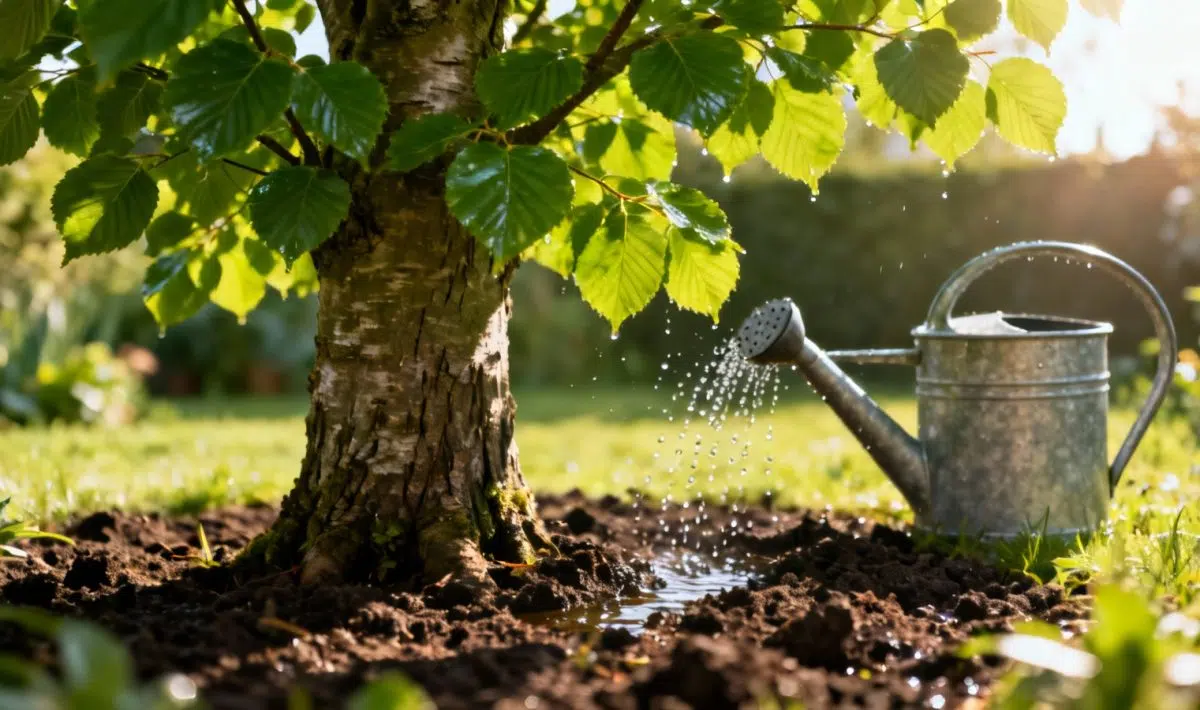
How often should you water your common hornbeam for healthy growth
Understanding how often should you water your common hornbeam is essential for maintaining a thriving garden. This resilient tree, scientifically known as Carpinus betulus, requires specific care during its early years but becomes remarkably drought-tolerant once established. The watering needs vary dramatically based on the tree’s age, season, and growing conditions.
Understanding your common hornbeam’s water requirements
The common hornbeam is a deciduous tree that adapts well to various garden conditions. Young trees need consistent moisture to establish strong root systems, while mature specimens can withstand dry periods effectively. The key lies in providing adequate water during critical growth phases without overwatering, which can damage the delicate root structure.
Several factors influence your tree’s water needs, including soil type, climate, and planting location. Clay soil retains moisture longer than sandy soil, requiring less frequent watering. Trees planted in full sun need more water than those in partial shade, as increased sun exposure leads to faster moisture evaporation from both soil and leaves.
Seasonal watering schedules for optimal growth
During spring, newly planted hornbeams require water every 3-5 days if rainfall is insufficient. This frequent watering helps establish the root system as the tree emerges from winter dormancy. The soil should remain consistently moist but never waterlogged during this critical period.
Summer months demand the most attention, especially for young trees under three years old. Water deeply once or twice weekly, providing enough moisture to penetrate 12-18 inches into the soil. Early morning watering is ideal as it allows plants to absorb moisture before the sun intensifies. Just as other garden plants have specific needs, understanding proper watering tips for common bugle plants can help you develop better watering habits for your entire garden.
Winter watering is minimal but shouldn’t be completely neglected. Water monthly during dry winter periods, focusing on days when temperatures are above freezing. The reduced frequency reflects the tree’s dormant state and slower water uptake during cold months.
Proper watering techniques for healthy trees
Deep, infrequent watering encourages robust root development better than frequent shallow watering. Apply water slowly at the base of the tree, allowing it to penetrate gradually into the soil. A soaker hose or drip irrigation system works excellently for this purpose, delivering consistent moisture over extended periods.
Create a watering basin around young trees by building a small soil berm approximately 3 feet from the trunk. This basin helps direct water to the root zone and prevents runoff. For mature trees, water should extend to the drip line where feeder roots concentrate.
The amount of water needed varies with tree size and age. Young hornbeams typically require 10-15 gallons per watering session, while established trees may need 20-30 gallons during dry periods. These quantities ensure deep soil penetration and encourage downward root growth. Similar principles apply to other species, and learning about proper watering for common boxwood can enhance your overall garden watering strategy.
Recognizing proper hydration levels
Soil moisture testing is the most reliable method for determining watering needs. Insert a long screwdriver or soil probe 6-8 inches into the ground near the tree base. If it penetrates easily and emerges slightly damp, the soil has adequate moisture. Resistance indicates dry soil requiring immediate watering.
Visual cues from the tree itself provide valuable information about hydration status. Healthy, well-watered hornbeams display vibrant green foliage with firm, upright leaves. The bark appears smooth and unblemished, while new growth emerges regularly during the growing season.
Signs of watering problems
Underwatered hornbeams show several distinct symptoms that require immediate attention. Leaves begin wilting during the hottest part of the day, even when soil appears moist on the surface. The foliage may turn yellow or brown at the edges, particularly on older leaves first.
Overwatering creates equally serious problems, often manifesting as yellowing leaves that drop prematurely. The soil remains constantly wet, potentially developing a sour smell from anaerobic conditions. Root rot becomes a significant concern when drainage is poor and watering is excessive.
Watch for stress indicators like stunted growth, branch dieback, or unusual leaf drop during the growing season. These symptoms often result from inconsistent watering practices rather than specific under- or overwatering. Learning about watering needs for different plants, such as African lily watering guidelines, helps develop a comprehensive understanding of proper plant care.
Establishing trees for long-term success
The first two to three years after planting are crucial for hornbeam establishment. During this period, consistent watering builds the extensive root system necessary for future drought tolerance. Gradually reduce watering frequency as the tree matures, training roots to search deeper for moisture.
Mulching around the base helps retain soil moisture and reduces watering frequency. Apply 2-3 inches of organic mulch like wood chips or shredded bark, keeping it several inches away from the trunk to prevent pest issues and bark rot.
Established hornbeams typically require watering only during extended dry periods lasting more than two weeks without rainfall. These mature trees have developed deep root systems capable of accessing groundwater and stored soil moisture. Understanding watering principles for various garden plants, including watering recommendations for shrubby cinquefoil, creates a well-rounded approach to garden care.
Garden integration and companion planting
When planning your garden layout, consider grouping plants with similar water requirements near your hornbeam. This strategy simplifies irrigation and ensures all plants receive appropriate care without waste or deficiency. Native species often pair well with hornbeams as they share similar environmental adaptations.
Container-grown hornbeams require more frequent attention than those planted directly in garden soil. Pots dry out faster than ground soil, especially during summer heat. Check container moisture daily and water when the top inch of soil feels dry. Indoor plants like Boston fern watering advice demonstrates how container growing affects watering schedules for various plant types.
Seasonal adjustments become routine as you develop familiarity with your tree’s needs. Spring emergence triggers increased watering, summer heat demands maximum attention, fall preparation involves gradual reduction, and winter care focuses on protection rather than active growth support.
Creating sustainable watering practices
Water conservation becomes increasingly important in modern gardening. Collecting rainwater provides an excellent irrigation source while reducing municipal water consumption. Rain barrels or larger cisterns capture roof runoff for later use during dry periods.
Timing irrigation for maximum efficiency reduces water waste and improves plant health. Early morning watering minimizes evaporation losses and allows plants to absorb moisture before daily heat stress begins. Evening watering can work but may increase fungal disease risk in humid climates.
Developing efficient watering habits benefits your entire garden ecosystem. Whether caring for trees, shrubs, or houseplants like caring for satin pothos plants, consistent moisture management creates healthier growing conditions and reduces plant stress throughout your landscape.
Remember that established common hornbeams are remarkably resilient once their root systems mature. The investment in proper early care pays dividends through decades of low-maintenance beauty and reliable performance in your garden setting.
Allan is a lifelong gardening enthusiast who still gets excited when the first seedlings pop up in spring. With a deep love for nature and a hands-in-the-soil approach, he shares practical tips, plant discoveries, and clever tricks picked up over years of digging, planting, and observing. Whether you’re a new gardener or have a shed full of tools, Allan writes like a neighbor who’s always happy to swap cuttings and stories over the fence.
You can find more about Allan’s work on Malt or connect with him on LinkedIn.