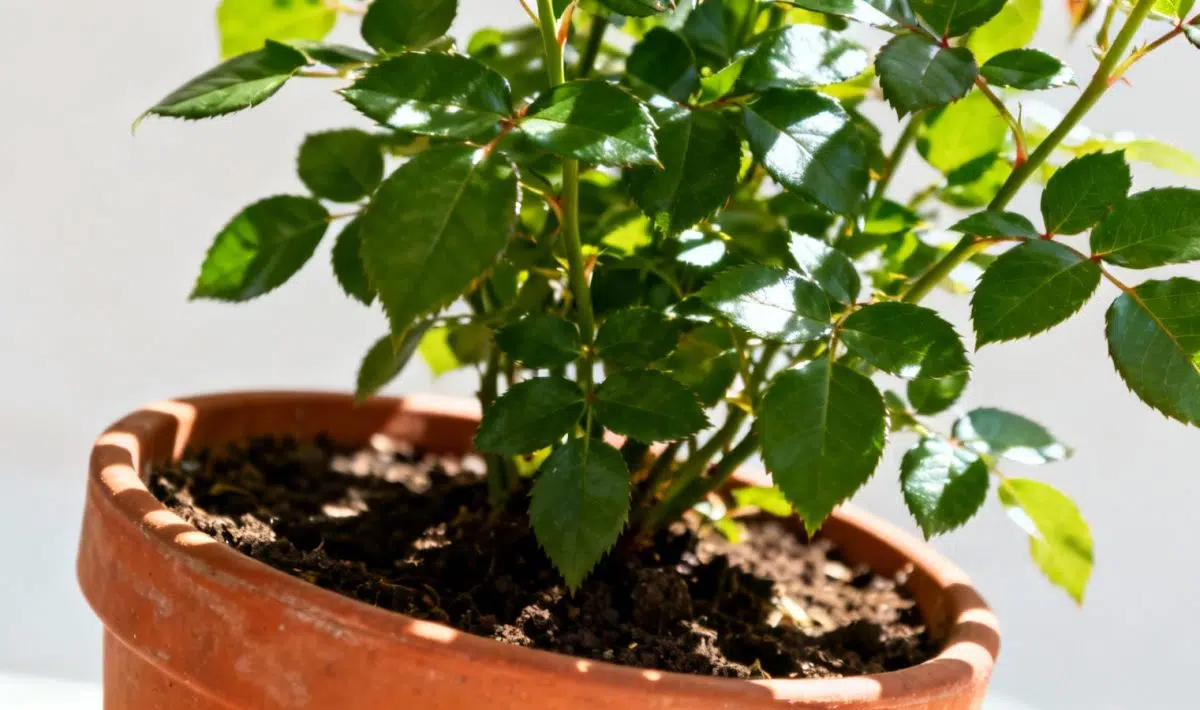
How much sunlight does evergreen rose need – Essential care tips
Growing evergreen roses successfully depends largely on understanding their specific light requirements. These beautiful, persistent plants can transform your Mediterranean garden when you provide them with the right amount of sunlight. However, many gardeners struggle with determining exactly how much sun exposure these roses need for optimal health and flowering.
Most evergreen roses thrive with 6 to 8 hours of direct sunlight daily. This generous exposure ensures robust growth, abundant flowering, and strong disease resistance. The morning sun is particularly beneficial as it helps dry dew from leaves, reducing the risk of fungal infections that can plague roses in humid conditions.
Unlike some garden plants that tolerate partial shade, evergreen roses are sun-loving specimens. They use this energy to produce the sugars necessary for continuous growth and the spectacular blooms that make them so desirable. When roses don’t receive adequate light, you’ll notice weaker stems, fewer flowers, and increased susceptibility to pests and diseases.
The intensity of sunlight also matters significantly. In Mediterranean climates, where the sun can be particularly strong during summer months, some afternoon shade can actually benefit your roses. This prevents stress from excessive heat while still providing the essential light they need for photosynthesis and healthy development.
Optimal placement strategies for your garden
Positioning your evergreen roses correctly in the garden is crucial for their success. Choose a location that receives morning sunlight, which is gentler than harsh afternoon rays. This early exposure helps the plant start its daily photosynthesis process while avoiding the most intense heat of the day.
Consider the mature size of nearby trees and shrubs when planning your rose placement. What might seem like full sun today could become heavily shaded in a few years as other plants grow. Leave adequate space around your roses to ensure they maintain good air circulation and consistent light exposure throughout their growing season.
If you’re working with limited space or challenging garden conditions, you can create microclimates to optimize sunlight exposure. Use reflective mulches or light-colored stones to increase the light reaching your roses. These materials bounce additional light upward, effectively increasing the intensity without requiring more direct sun hours.
For those interested in understanding similar sunlight requirements, you might find it helpful to explore how much sunlight requirements for multiflora rose compares to evergreen varieties, as different rose types have varying needs.
Recognizing and addressing insufficient sunlight
When evergreen roses don’t receive enough sunlight, they exhibit several telltale signs that you can easily identify. The most obvious indicator is leggy growth – stems become elongated and weak as the plant stretches toward available light sources. This creates an unattractive, sparse appearance rather than the full, bushy structure you want.
Reduced flowering is another clear sign of inadequate light exposure. Roses that would normally produce dozens of blooms may only manage a handful when light-starved. The flowers that do appear are often smaller, paler, and shorter-lived than those on properly positioned plants.
Yellowing leaves, particularly on the lower portions of the plant, indicate that your rose is struggling with insufficient light. The plant redirects energy upward, abandoning lower leaves that aren’t receiving enough sun to contribute meaningfully to photosynthesis.
If you notice these symptoms, consider relocating your rose or modifying its environment. Sometimes pruning nearby shrubs or trees can dramatically improve light conditions. Alternatively, you might need to transplant the rose to a sunnier location in your garden where it can thrive.
Seasonal considerations and light management
Mediterranean gardens experience significant seasonal variations in sunlight intensity and duration. During winter months, even full-sun locations may receive considerably less light due to the sun’s lower angle and shorter days. This natural reduction doesn’t harm evergreen roses, which often enter a semi-dormant state during cooler periods.
Spring brings increasing daylight hours and stronger sun intensity. This is when your roses begin their most active growth phase, making adequate light exposure crucial. Monitor your plants closely during this transition period, as they may need additional water and nutrients to support the increased photosynthetic activity.
Summer presents the opposite challenge – too much intense sunlight can stress roses, particularly during heat waves. In regions where temperatures regularly exceed 35°C (95°F), providing some afternoon shade can prevent heat stress while still meeting the plant’s light requirements.
Understanding these seasonal patterns helps you make informed decisions about rose placement and care. What works perfectly in spring might need adjustment come summer, and flexibility in your approach will ensure year-round success.
Companion planting and light optimization
Strategic companion planting can help optimize light conditions for your evergreen roses while creating an attractive, diverse garden. Lower-growing plants with similar sun requirements make excellent neighbors, as they won’t compete for overhead light but can help suppress weeds and retain soil moisture.
Mediterranean herbs like lavender and rosemary pair beautifully with roses and share their love of full sun. These aromatic plants can also help deter certain pests while adding fragrance and texture to your garden design. Their drought tolerance makes them ideal companions in water-wise landscaping approaches.
For gardeners interested in expanding their knowledge of sun-loving plants, learning about sun requirements for Rose of Sharon can provide valuable insights for creating cohesive garden designs with complementary light needs.
Avoid planting tall, dense shrubs too close to your roses, as these can create unwanted shade. Instead, use them strategically to provide afternoon protection during the hottest summer months while maintaining morning sun exposure.
Practical tips for Mediterranean gardens
Mediterranean climate gardening presents unique opportunities and challenges for growing evergreen roses. The generally sunny conditions are ideal, but intense summer heat requires thoughtful planning and management techniques to ensure your roses remain healthy and productive.
Mulching around your roses helps moderate soil temperature while conserving moisture. Light-colored organic mulches reflect heat away from the root zone while still allowing beneficial sunlight to reach the plant. This creates optimal conditions for root development and overall plant health.
Water management becomes crucial when dealing with high light exposure. Roses receiving 6-8 hours of daily sun will need consistent moisture, particularly during flowering periods. Deep, infrequent watering encourages strong root development and helps plants cope with sunny conditions.
Consider the broader context of your garden ecosystem when planning rose placement. Understanding optimal sunlight for lemon growth or ideal sunlight conditions for catnip can help you create zones within your garden that group plants with similar light requirements together for easier maintenance.
Monitoring and adjusting light exposure
Successfully growing evergreen roses requires ongoing observation and adjustment of their light conditions. Garden environments change over time as plants mature, seasons shift, and structures are added or removed. Regular monitoring ensures your roses continue receiving optimal sunlight throughout their lives.
Keep a simple garden journal noting how light patterns change in your rose beds throughout the year. This documentation helps you identify potential problems before they become serious and makes planning future plantings much more effective.
Technology can assist in monitoring light levels if you want precise measurements. Simple light meters are inexpensive and can help you identify exactly how many hours of direct sun your roses receive. This data is particularly useful when troubleshooting growth or flowering problems.
Don’t forget to consider how your garden’s light patterns might change with new construction, tree growth, or landscape modifications. What provides perfect light today might need adjustment in the future, and planning ahead prevents costly mistakes.
For those cultivating aromatic gardens alongside their roses, understanding sunlight needs for cape jasmine can help create harmonious plantings that thrive under similar conditions.
Remember that successful rose cultivation combines proper sunlight exposure with good soil preparation, adequate water, and appropriate feeding. These elements work together to create the conditions your evergreen roses need to flourish in Mediterranean gardens, providing years of beautiful blooms and healthy growth.
Allan is a lifelong gardening enthusiast who still gets excited when the first seedlings pop up in spring. With a deep love for nature and a hands-in-the-soil approach, he shares practical tips, plant discoveries, and clever tricks picked up over years of digging, planting, and observing. Whether you’re a new gardener or have a shed full of tools, Allan writes like a neighbor who’s always happy to swap cuttings and stories over the fence.
You can find more about Allan’s work on Malt or connect with him on LinkedIn.