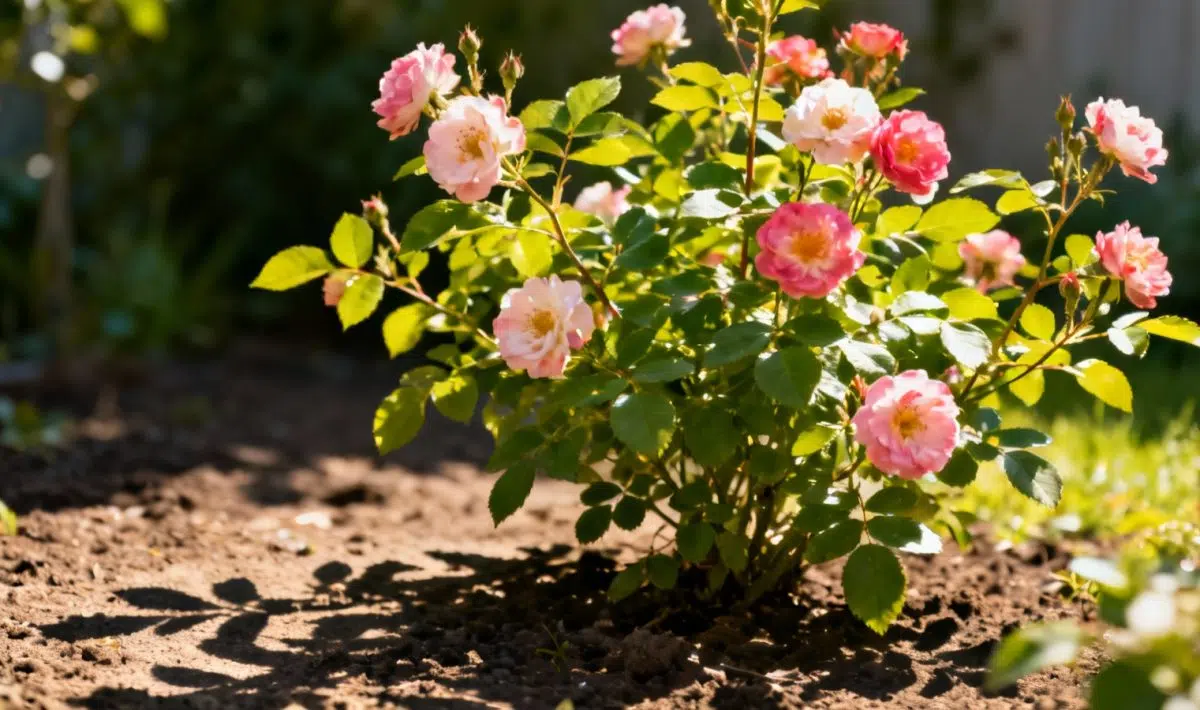
How much sunlight does multiflora rose need for optimal garden growth
When you’re planning to grow multiflora roses in your garden, understanding their sunlight needs is absolutely crucial for success. The multiflora rose requires specific light conditions to produce its stunning clusters of small, fragrant flowers that attract pollinisators and wildlife. Getting the light balance right means the difference between a thriving rose bush and one that struggles to bloom.
Rosa multiflora is a vigorous, hardy shrub that originated in Asia and has become popular worldwide for its resilience and beautiful blooms. This rose variety produces clusters of small white or pink flowers, typically measuring 2-5 cm in diameter. Unlike many cultivated roses, multiflora roses are incredibly adaptable and can handle various growing conditions.
The plant serves multiple purposes in gardens – from creating natural hedges to providing food sources for birds through its colorful rose hips. Its robust nature makes it an excellent choice for gardeners seeking low-maintenance flowering plants that still deliver impressive visual appeal.
Sunlight requirements for optimal growth
How much sunlight does multiflora rose need? The answer is straightforward: multiflora roses thrive best in full sun to partial shade conditions. They require at least 6 hours of direct sunlight daily for optimal flower production and overall plant health. However, they can tolerate some shade better than many other rose varieties.
For the best results, plant your multiflora roses where they’ll receive morning sun and some afternoon protection in extremely hot climates. This positioning helps prevent water stress while ensuring adequate light for photosynthesis and blooming. Similar to understanding sunlight requirements for Rose of Sharon, getting the balance right is key to success.
The light value for multiflora roses rates around 3 on the ecological scale (where 5 represents maximum light requirements). This moderate rating indicates their flexibility in various light conditions while still preferring bright, sunny locations for peak performance.
Signs of inadequate sunlight
When multiflora roses don’t receive enough light, several symptoms become apparent. The most obvious sign is reduced flowering – plants in too much shade rarely form flower buds, severely limiting their ornamental value. You’ll also notice elongated, weak stems as the plant stretches toward available light sources.
Leaves may become pale or yellowish, and overall growth appears spindly rather than the robust, bushy form these roses are known for. Disease susceptibility also increases in low-light conditions because air circulation around the plant decreases and humidity rises.
Managing too much sun exposure
While multiflora roses love sunlight, excessive exposure in very hot climates can cause stress. Watch for signs like wilting during midday hours, leaf scorch, or premature flower drop. In such cases, providing some afternoon shade can help, especially during peak summer months.
Water management becomes crucial in full sun locations. Ensure your soil drains well but retains enough moisture to support the plant during hot periods. Much like China rose sunlight needs, finding the right balance prevents heat stress while maintaining healthy growth.
Choosing the perfect garden location
When selecting a planting site, evaluate your garden’s light patterns throughout the day. The ideal spot receives morning sun, which helps dry dew from leaves and prevents fungal issues, followed by bright light for most of the day. Some late afternoon shade can be beneficial in extremely hot regions.
Consider the mature size of multiflora roses when positioning them. These plants can grow quite large and may shade other garden plants if placed incorrectly. They work wonderfully as background plants or natural hedges where their size becomes an asset rather than a limitation.
Soil quality matters too – choose well-draining soil that doesn’t become waterlogged. Poor drainage combined with inadequate light creates perfect conditions for root rot and other problems. Just as you would consider ideal sunlight for lemon trees, proper site selection sets the foundation for success.
Planting and care essentials
Start with quality seeds or plants from reputable sources. When germinating seeds, provide bright, indirect light initially to prevent seedling burn while ensuring adequate illumination for healthy development. Young plants need consistent moisture and protection from harsh conditions.
Once established, multiflora roses require minimal maintenance compared to hybrid varieties. Regular watering during dry spells, annual pruning to maintain shape, and occasional fertilizing will keep them thriving. Their hardy nature means they adapt well to various soil types as long as drainage is adequate.
Understanding companion planting can enhance your garden’s overall health. Plants like catnip sunlight requirements might complement your rose garden design, creating diverse habitat for beneficial insects and wildlife.
Growing from seeds successfully
Many gardeners prefer growing multiflora roses from seeds for the satisfaction and cost savings. Seeds require stratification – a cold treatment period that mimics winter conditions. After stratification, plant seeds in well-draining soil and provide consistent moisture without waterlogging.
Germination typically occurs within 4-6 weeks under proper conditions. Young seedlings need bright light but protection from intense, direct sun until they develop stronger root systems. Gradually acclimate them to full sun conditions over several weeks.
The growing process rewards patient gardeners with hardy, adaptable plants that often outperform nursery-bought specimens in terms of disease resistance and environmental adaptation. Consider the growing requirements of other plants in your garden, such as sunlight needs of common purslane, when planning your layout.
Benefits beyond beauty
Multiflora roses offer numerous advantages beyond their ornamental value. The flowers attract beneficial insects, supporting garden ecosystem health. Birds feed on the rose hips, providing natural wildlife habitat and food sources throughout fall and winter months.
Their dense growth habit makes them excellent for erosion control on slopes or creating natural privacy screens. Unlike many ornamental plants, multiflora roses actually improve over time, developing stronger root systems and more abundant blooms as they mature.
For those interested in creating diverse garden spaces, understanding different plant needs helps in planning. Learning about requirements for various species, including Pin oak sunlight preferences, enables better garden design decisions.
Maximizing your rose garden success
Success with multiflora roses comes from understanding their fundamental needs and working with their natural tendencies rather than against them. These roses want to grow and thrive – your job is simply to provide the right conditions and step back to let them flourish.
Remember that established multiflora roses become increasingly drought-tolerant and self-sufficient. This makes them perfect for low-maintenance gardens or areas where regular care is challenging. Their adaptability to various light conditions, from full sun to partial shade, provides flexibility in garden planning.
With proper attention to their sunlight requirements and basic care needs, multiflora roses will reward you with years of beautiful blooms, wildlife attraction, and garden structure. Whether you’re growing them from seeds or transplanting established plants, understanding their light needs ensures your gardening success and creates lasting beauty in your outdoor space.
Allan is a lifelong gardening enthusiast who still gets excited when the first seedlings pop up in spring. With a deep love for nature and a hands-in-the-soil approach, he shares practical tips, plant discoveries, and clever tricks picked up over years of digging, planting, and observing. Whether you’re a new gardener or have a shed full of tools, Allan writes like a neighbor who’s always happy to swap cuttings and stories over the fence.
You can find more about Allan’s work on Malt or connect with him on LinkedIn.