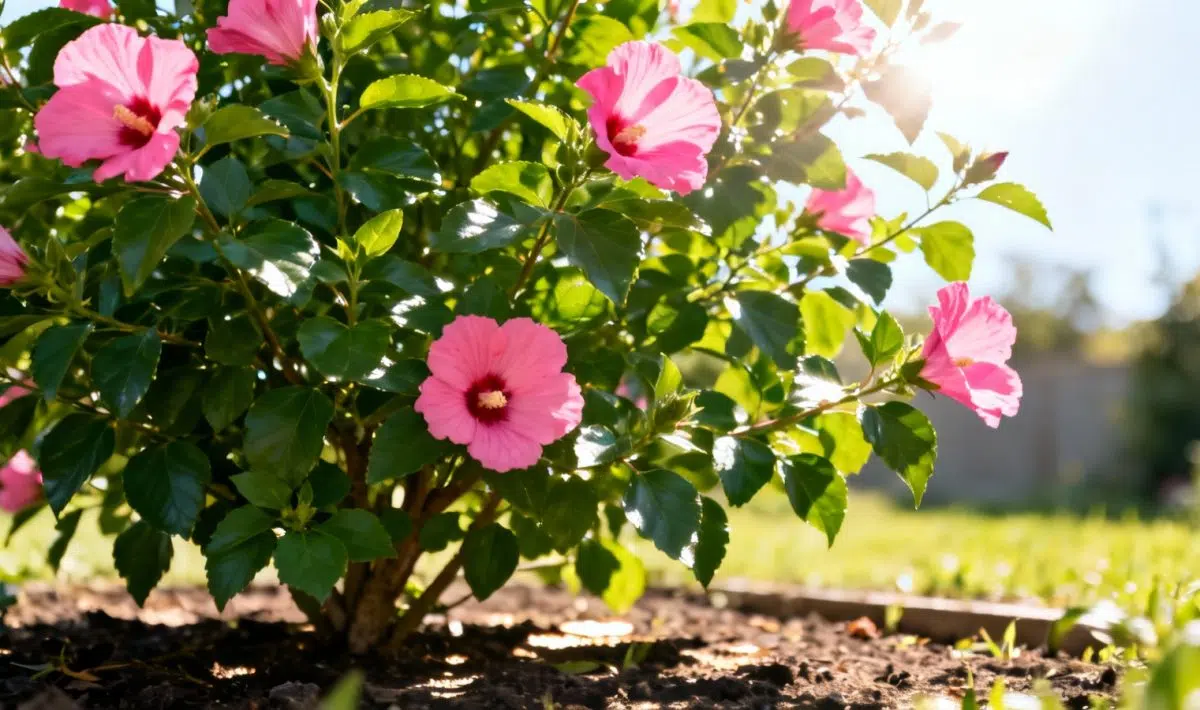
How much sunlight does Rose of sharon need – Growing hardy hibiscus
Rose of Sharon, scientifically known as Hibiscus syriacus, is one of the most beloved hardy shrubs for gardeners seeking spectacular summer blooms. Understanding how much sunlight does Rose of sharon need is crucial for successful cultivation and abundant flowering. This remarkable plant brings vibrant colors to gardens from mid-summer through early fall, making it a fantastic addition to any landscape design.
Essential sunlight requirements for Rose of Sharon
Rose of Sharon thrives best in full sun conditions, requiring at least 6 hours of direct sunlight daily for optimal growth and flowering. This hardy hibiscus performs exceptionally well when planted in locations that receive morning sun through late afternoon. The more sunlight your Rose of Sharon receives, the more prolific its blooming period will be throughout the summer months.
While these resilient shrubs can tolerate partial shade with 4-6 hours of daily sun exposure, you’ll notice reduced flowering and potentially leggy growth. In extremely hot climates, providing light afternoon shade can protect the plant from intense heat stress without compromising its overall health and vigor.
Understanding different light conditions for your garden
Full sun exposure produces the most spectacular results for Rose of Sharon cultivation. Plants grown in optimal sunlight conditions develop strong, compact growth habits and produce abundant flowers in shades of white, pink, purple, and blue. The photosynthesis process accelerates under proper lighting, enabling the plant to store energy for continuous blooming cycles.
Partial shade locations, while acceptable, often result in fewer flowers and stretched growth patterns. If your garden only offers limited sun exposure, choose the brightest available spot and consider companion planting strategies. For those interested in similar sunlight requirements, learning about sunlight requirements for Lady Banks’ rose can provide valuable comparative insights for garden planning.
Selecting quality Rose of Sharon seeds and varieties
When purchasing Rose of Sharon seeds, choose reputable sellers who provide detailed variety descriptions and growing instructions. Quality seeds should come with germination guarantees and clear planting guidelines. Look for sellers with positive customer evaluations and transparent shipping policies to ensure you receive viable seeds.
Popular varieties include ‘Diana’ with pure white flowers, ‘Red Heart’ featuring white petals with red centers, and ‘Blue Bird’ showcasing lovely blue-purple blooms. Each variety maintains the same basic sunlight requirements while offering unique aesthetic appeal. Consider your local climate zone when selecting varieties, as some cultivars demonstrate better cold hardiness than others.
Many gardeners find success ordering from specialized online nurseries that focus on hardy hibiscus varieties. These sources often provide detailed care instructions and variety-specific growing tips. Similar to understanding optimal sunlight for China rose, researching specific variety requirements helps ensure successful cultivation.
Planting and positioning strategies
Choose your planting location carefully, considering both current and future sunlight patterns. Rose of Sharon can grow quite large, reaching 8-12 feet in height and 6-10 feet in width at maturity. Position young plants where they won’t eventually shade other sun-loving plants or block important garden views.
Morning sun exposure is particularly beneficial for Rose of Sharon, as it helps dry overnight moisture from leaves and reduces disease risks. Afternoon sun continues the photosynthesis process and promotes healthy flower development. Avoid planting in low-lying areas where cold air settles or drainage problems might occur.
Consider companion planting with other sun-loving perennials that complement Rose of Sharon’s growing season. Plants like Confederate rose sunlight needs might inspire additional garden design ideas for creating cohesive sunny garden spaces.
Seasonal care and maintenance tips
Spring represents the ideal time for planting Rose of Sharon seeds or young plants. As temperatures warm and daylight hours increase, newly planted shrubs establish root systems quickly. Ensure consistent moisture during establishment while avoiding waterlogged soil conditions.
Summer care focuses on maintaining adequate water supply during hot periods, even though established plants demonstrate good drought tolerance. Monitor for signs of stress such as wilting leaves or reduced flowering, which might indicate insufficient sunlight or water. Regular deadheading encourages continued blooming throughout the season.
Fall preparation includes allowing some seed pods to develop if you want to collect seeds for next year’s planting. Winter protection in colder zones might require mulching around the base of young plants. Understanding seasonal needs parallels other garden plants like sunlight for growing catnip, where consistent care practices yield better results.
Troubleshooting common sunlight-related issues
Poor flowering often indicates insufficient sunlight exposure. If your Rose of Sharon produces lots of foliage but few flowers, consider relocating the plant to a sunnier location during its dormant season. Young plants can be moved more easily than mature specimens.
Leggy growth patterns suggest the plant is reaching for more light. Pruning can help maintain compact shape, but addressing the underlying light deficiency provides better long-term solutions. Sometimes surrounding vegetation grows and creates unexpected shade, requiring periodic garden reassessment.
Leaf yellowing might occur from either too much intense sun in extremely hot climates or insufficient light in shaded conditions. Observing plant behavior throughout different seasons helps determine whether adjustments are needed. Just as cantaloupe sunlight requirements vary by region, Rose of Sharon care should be adapted to local conditions.
Maximizing your Rose of Sharon investment
Purchasing quality seeds represents a cost-effective way to establish multiple Rose of Sharon plants throughout your garden. A single packet of seeds can produce numerous plants, creating impressive summer displays for years to come. Choose sellers who provide planting depth recommendations and expected germination timelines.
Consider starting seeds indoors during late winter, giving seedlings a head start before outdoor planting season. This approach extends the growing season and often results in first-year flowering. Proper seed storage ensures viability for multiple planting seasons, maximizing your initial investment.
Established Rose of Sharon plants often self-seed readily, providing natural propagation opportunities. Managing volunteer seedlings allows you to expand your collection or share plants with fellow gardeners. Learning from diverse plant care approaches, such as onion growth and sunlight needs, broadens overall gardening expertise and improves success rates across different plant types.
Understanding how much sunlight Rose of Sharon requires ensures spectacular garden performance for years to come. These hardy hibiscus plants reward proper placement and care with months of beautiful blooms, making them invaluable additions to sunny garden spaces. With quality seeds and appropriate growing conditions, your Rose of Sharon will become a stunning focal point that enhances your outdoor living environment.
Allan is a lifelong gardening enthusiast who still gets excited when the first seedlings pop up in spring. With a deep love for nature and a hands-in-the-soil approach, he shares practical tips, plant discoveries, and clever tricks picked up over years of digging, planting, and observing. Whether you’re a new gardener or have a shed full of tools, Allan writes like a neighbor who’s always happy to swap cuttings and stories over the fence.
You can find more about Allan’s work on Malt or connect with him on LinkedIn.