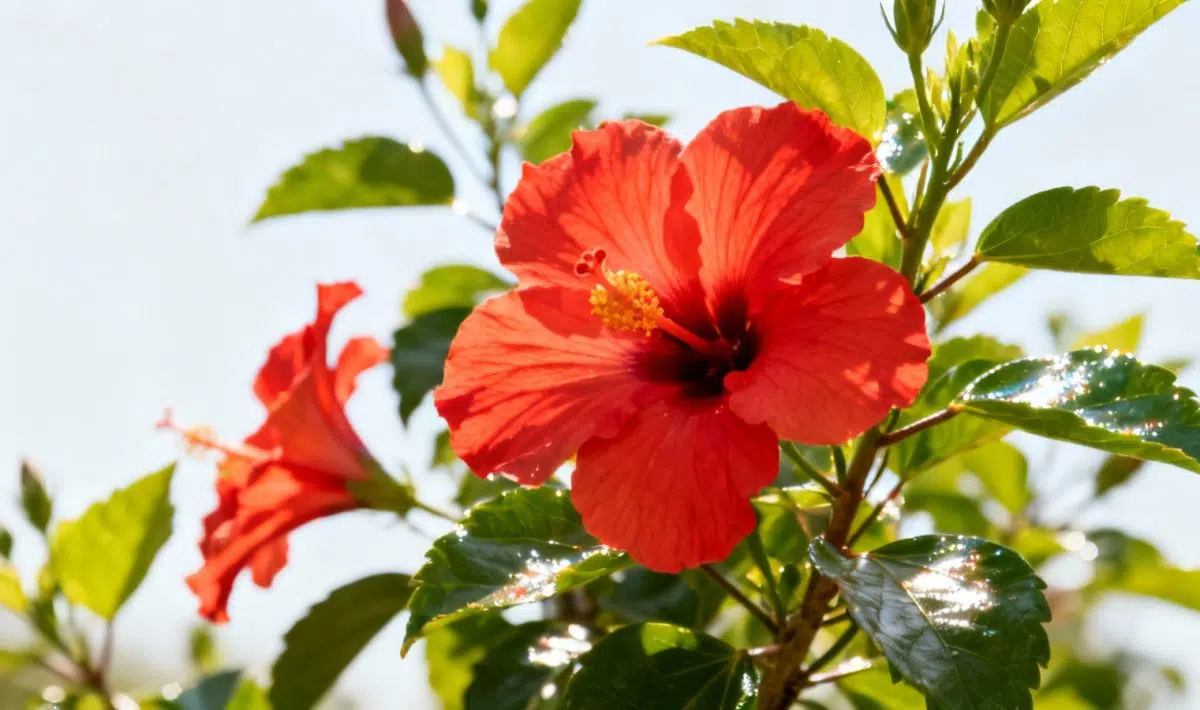
Chinese hibiscus (Hibiscus rosa-sinensis) is a stunning tropical flower that can transform any garden or indoor space with its vibrant blooms. However, getting the sunlight requirements right is absolutely crucial for this beautiful plant to thrive. Many gardeners struggle with finding that perfect balance between too much and too little light for their hibiscus.
The key to success with Chinese hibiscus lies in understanding that this plant is naturally a sun-lover. In its native tropical habitat, roselle and other hibiscus varieties bask in bright, consistent sunlight throughout much of the day. This means you’ll need to provide similar conditions to see those gorgeous flowers blooming regularly.
Essential sunlight needs for optimal growth
Chinese hibiscus requires at least 6 hours of direct sunlight daily for optimal flowering. This is particularly important if you want to see those vibrant colors and abundant blooms that make this plant so popular. Many experienced growers recommend aiming for 6 to 8 hours of direct sun when growing hibiscus outdoors in temperate climates.
However, the exact amount can vary depending on your specific growing conditions. In cooler climates, your hibiscus will benefit from maximum sun exposure, while in extremely hot regions, some afternoon shade can actually help protect the plant from stress. The soil quality also plays a role in how well your plant absorbs and utilizes the available light energy.
Indoor vs outdoor light considerations
When growing Chinese hibiscus indoors, the light requirements become more challenging to meet. You’ll need to position your plant near a south or west-facing window that receives 4 to 5 hours of very intense direct light. Indoor growers often find that supplemental grow lights are helpful for maintaining healthy flowering throughout the year.
Outdoor hibiscus generally performs much better because they can access the full spectrum and intensity of natural sunlight. Just like understanding sunlight requirements for Chinese evergreen, each plant species has evolved specific light preferences that we need to respect for optimal results.
Signs your hibiscus needs more light
Several clear indicators will tell you if your Chinese hibiscus isn’t getting enough sunlight. The most obvious sign is reduced flowering – hibiscus plants that don’t receive adequate light will produce very few blooms or stop flowering altogether. The flowers that do appear may be smaller and less vibrant than usual.
You might also notice that the plant becomes leggy, with long stretches of stem between leaves. The foliage may appear pale green rather than the rich, deep green of a well-lit plant. Additionally, the overall growth rate will slow significantly when light levels are insufficient.
Maximizing light exposure for your hibiscus
Choosing the right location is crucial for providing your Chinese hibiscus with adequate sunlight. In your garden, select a sunny spot that receives morning sun and is protected from harsh afternoon winds. The soil should be well-draining but rich in organic matter to support the plant’s energy needs during intense photosynthesis periods.
For container-grown hibiscus, mobility becomes an advantage. You can move your plant throughout the day to follow the sun, or relocate it seasonally as the sun’s path changes. This flexibility is particularly valuable in regions with variable weather patterns.
Seasonal adjustments and care
During winter months in temperate climates, even outdoor hibiscus may struggle with reduced daylight hours. This is when many growers choose to bring their plants indoors or into a greenhouse. Indoor winter care requires the brightest possible location, often supplemented with grow lights to maintain plant health.
Just as eggplant growth and sunlight needs vary with seasons, hibiscus also adapts its growth patterns based on available light. During peak summer, your plant will be most active and produce the most flowers, while winter brings a natural dormancy period.
Balancing light with other growing factors
While sunlight is crucial, it works best when combined with proper watering, nutrition, and soil conditions. A hibiscus receiving optimal light but planted in poor soil will still struggle to produce those magnificent blooms. The plant needs well-draining soil that retains some moisture, along with regular feeding during the growing season.
Temperature also plays a role in how effectively your hibiscus uses available light. These tropical plants prefer warm conditions and will slow their growth significantly when temperatures drop below 60°F, regardless of light availability. Understanding these interconnected needs helps create the best possible growing environment.
Troubleshooting common light-related problems
If your Chinese hibiscus isn’t blooming despite seemingly adequate light, consider the quality and timing of that light exposure. Morning sunshine is particularly beneficial for triggering flower production, while intense midday sun in very hot climates can actually stress the plant and reduce flowering.
Sometimes growers notice that their hibiscus produces plenty of foliage but few flowers. This often indicates that while the plant is receiving enough light for basic growth, it needs more intense or longer duration sunlight to trigger abundant blooming. Similar to how light conditions for angel’s wings affect flowering, hibiscus requires specific light intensity thresholds.
Creating the ideal growing environment
To create the perfect light environment for your Chinese hibiscus, start by observing your space throughout a full day. Track where the sun falls and for how long in different areas. This helps you identify the best location for maximum light exposure while considering other factors like wind protection and accessibility for care.
Consider also that reflected light can supplement direct sunlight. Light-colored surfaces near your hibiscus can help bounce additional light onto the plant, particularly useful in partially shaded locations. However, this reflected light should complement, not replace, direct sunlight exposure.
Long-term success with proper lighting
Establishing good lighting practices from the beginning sets your Chinese hibiscus up for years of beautiful blooms. Young plants are particularly sensitive to light conditions and will develop their branching patterns based on early light exposure. Providing consistent, adequate sunlight helps create a well-shaped, floriferous mature plant.
Regular monitoring helps you adjust care as conditions change. Trees grow and create new shade, buildings cast different shadows as the sun’s angle changes seasonally, and your plant’s own growth may require repositioning for optimal light access. Just as gardeners learn optimal sunlight for growing radishes through observation and adjustment, hibiscus care improves with attentive monitoring.
Remember that providing proper sunlight is an investment in your plant’s long-term health and beauty. A well-lit Chinese hibiscus will reward you with months of stunning flowers, vibrant foliage, and the satisfaction of successfully growing one of nature’s most spectacular blooming plants. With attention to these light requirements, your hibiscus can become a centerpiece in your garden or home for many years to come.
Allan is a lifelong gardening enthusiast who still gets excited when the first seedlings pop up in spring. With a deep love for nature and a hands-in-the-soil approach, he shares practical tips, plant discoveries, and clever tricks picked up over years of digging, planting, and observing. Whether you’re a new gardener or have a shed full of tools, Allan writes like a neighbor who’s always happy to swap cuttings and stories over the fence.
You can find more about Allan’s work on Malt or connect with him on LinkedIn.