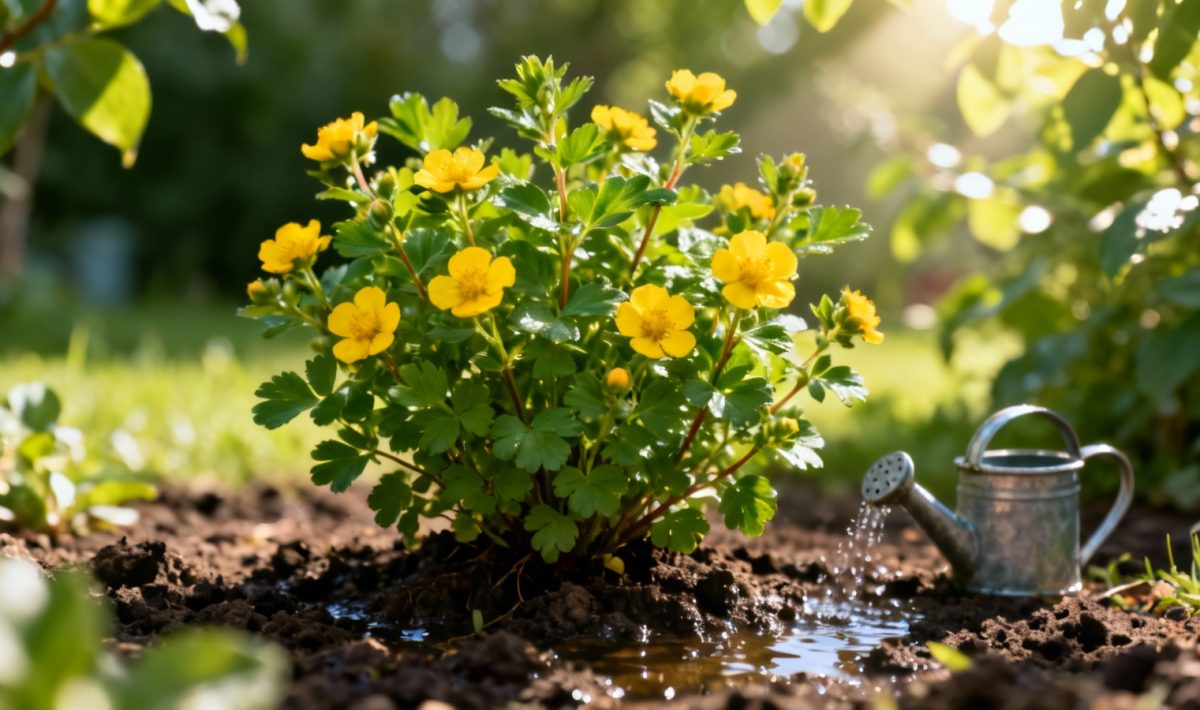
Understanding Shrubby Cinquefoil Water Requirements
Shrubby cinquefoil, also known as Potentilla fruticosa, is a remarkably resilient plant that adapts well to various growing conditions. This hardy shrub has earned a reputation among gardeners for being drought-tolerant once established, yet it requires careful attention during its initial growing phases. Understanding how often to water your shrubby cinquefoil makes all the difference between a thriving plant and one that struggles to reach its full potential.
The secret lies in recognizing that this plant’s water needs change dramatically as it matures. While established shrubby cinquefoil plants can handle periods of drought with ease, young specimens need consistent moisture to develop their extensive root systems. The key is striking the right balance between providing adequate hydration and avoiding waterlogged conditions that can damage the roots.
First Year Watering Essentials
During the first year after planting, your shrubby cinquefoil requires regular watering to establish a strong foundation. Water deeply once or twice per week, depending on rainfall and soil conditions. The goal is to encourage deep root growth rather than shallow surface roots that make the plant more vulnerable to stress.
Check the soil moisture by inserting your finger about two inches into the ground near the base of the plant. If the soil feels dry at this depth, it’s time to water. This method works particularly well during summer months when evaporation rates are higher and the plant’s water demands increase.
Seasonal Watering Patterns for Established Plants
Once your shrubby cinquefoil has been in the ground for more than two years, its watering needs become much more manageable. Established plants typically require watering only during extended dry periods or exceptionally hot summer weather. A good rule of thumb is to provide supplemental water when there has been no significant rainfall for more than a week.
Summer watering should be done early in the morning to minimize evaporation and reduce the risk of fungal diseases. Water at the base of the plant rather than over the foliage, using a slow, deep soaking method that allows water to penetrate the root zone effectively. Just as you might follow specific schedules when learning to water your Boston fern regularly, consistency matters for outdoor shrubs too.
Winter Water Management
Winter watering requirements for shrubby cinquefoil are minimal in most climates. The plant enters dormancy and significantly reduces its water consumption. However, if you live in an area with dry winter conditions and little snow cover, occasional winter watering may be beneficial, particularly for younger plants.
Water only on warmer days when temperatures are above freezing, and the ground isn’t frozen solid. This prevents ice formation around the roots, which can cause damage to the plant’s root system. Always check soil moisture before watering, as winter soil often retains moisture longer than summer soil.
Container Growing and Watering Considerations
Shrubby cinquefoil grown in containers has different watering needs compared to ground-planted specimens. Potted plants dry out much faster and require more frequent attention throughout the growing season. Check container plants daily during hot weather, as they may need water every day or two.
Ensure your container has adequate drainage holes to prevent water from pooling at the bottom. Use a well-draining potting mix that allows excess water to flow through while retaining enough moisture for the plant’s needs. Container plants also benefit from a layer of mulch on top of the soil to help retain moisture and reduce watering frequency.
Soil Type and Drainage Impact
The type of soil in your garden significantly affects how often you should water your shrubby cinquefoil. Sandy soils drain quickly and may require more frequent watering, while clay soils hold moisture longer but can become waterlogged if overwatered. The ideal soil for this plant is well-draining with good organic content.
If you’re dealing with heavy clay soil, consider improving drainage by adding compost or coarse sand to the planting area. Poor drainage can lead to root rot and other problems that are more serious than occasional drought stress. This principle applies to many plants, similar to how proper drainage affects care tips for satin pothos and other houseplants.
Signs of Proper Hydration vs. Water Stress
Learning to read your shrubby cinquefoil’s water needs becomes easier with experience. Well-hydrated plants display vibrant green foliage, steady new growth, and abundant flowering during the blooming season. The leaves should feel firm and appear turgid, especially during cooler parts of the day.
Water stress manifests in several ways, including wilting leaves, browning leaf edges, or premature leaf drop. However, be careful not to confuse these symptoms with overwatering, which can cause similar issues. Overwatered plants often develop yellowing leaves and may show signs of fungal problems or root rot.
Mulching for Water Conservation
Applying a layer of organic mulch around your shrubby cinquefoil can reduce watering needs by up to fifty percent during summer months. Use materials like shredded bark, compost, or leaf mold, applied in a two to three-inch layer around the base of the plant. Keep mulch a few inches away from the main stem to prevent moisture-related problems.
Mulch not only conserves soil moisture but also moderates soil temperature and suppresses weeds that compete with your shrubby cinquefoil for water and nutrients. This approach works for various garden plants, much like the consistent care needed for watering guidelines for Japanese maple trees.
Advanced Watering Techniques
Consider installing a drip irrigation system if you have multiple shrubby cinquefoil plants or want to automate your watering routine. Drip systems deliver water directly to the root zone with minimal waste, making them ideal for water-conscious gardeners. Set timers to water early in the morning, and adjust the frequency based on seasonal needs and rainfall.
Another effective technique is deep watering once per week rather than frequent shallow watering. This encourages roots to grow deeper into the soil, making your plants more drought-resistant over time. Use a soaker hose or water slowly with a regular hose to allow water to penetrate deeply rather than running off the surface.
The beauty of shrubby cinquefoil lies in its adaptability and low-maintenance nature once you understand its basic needs. While it shares some care principles with other garden favorites like those requiring optimal care for Japanese meadowsweet, each plant has its unique requirements that make gardening both challenging and rewarding.
Allan is a lifelong gardening enthusiast who still gets excited when the first seedlings pop up in spring. With a deep love for nature and a hands-in-the-soil approach, he shares practical tips, plant discoveries, and clever tricks picked up over years of digging, planting, and observing. Whether you’re a new gardener or have a shed full of tools, Allan writes like a neighbor who’s always happy to swap cuttings and stories over the fence.
You can find more about Allan’s work on Malt or connect with him on LinkedIn.