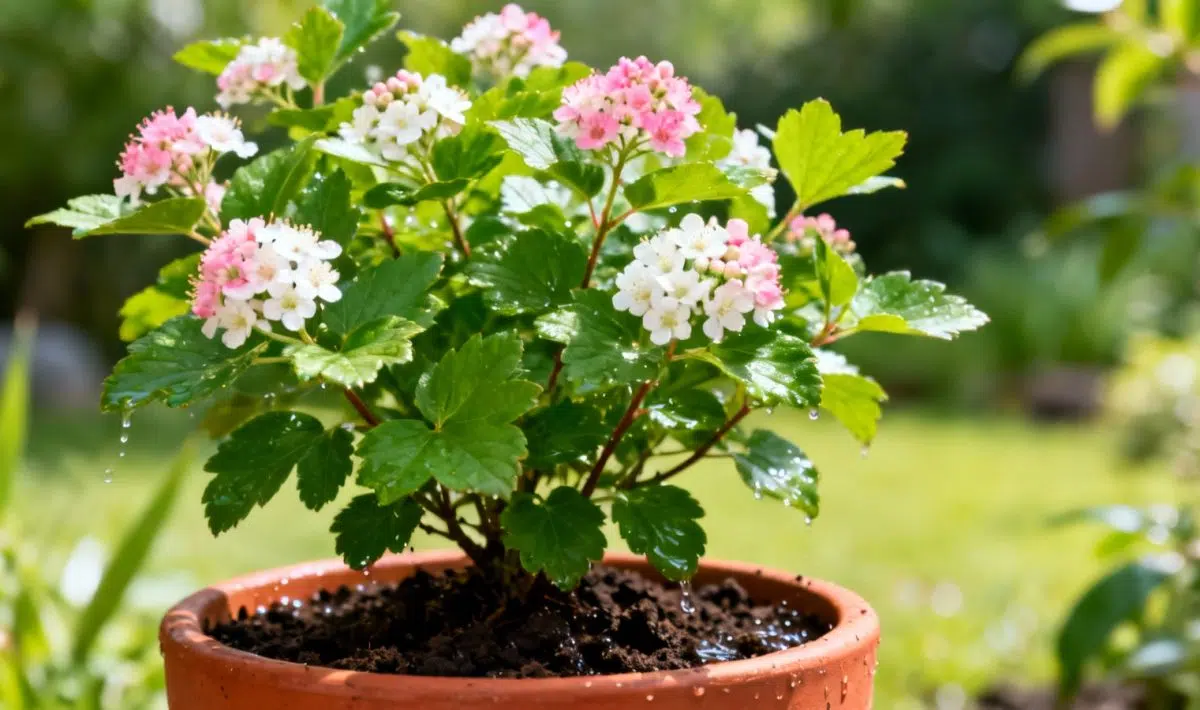
How often should you water your Japanese meadowsweet for optimal growth
Japanese meadowsweet is a stunning perennial that brings elegance to any garden, but getting the watering right can feel tricky at first. The truth is, this beautiful plant has specific water needs that change throughout the year. Understanding how often should you water your Japanese meadowsweet depends on several factors including season, soil type, and your local climate conditions.
This graceful herb thrives when you provide consistent moisture without overdoing it. Too much water can lead to root rot, while too little leaves your plant stressed and struggling. The key lies in finding that sweet spot where the soil stays evenly moist but never waterlogged.
Understanding your Japanese meadowsweet’s water requirements
Japanese meadowsweet plants are naturally adapted to moist environments, which means they prefer soil that retains some humidity year-round. These herbs have shallow root systems that absorb water efficiently when conditions are right. However, they’re also surprisingly resilient and can tolerate brief dry periods once established.
The flowers of this plant are particularly sensitive to water stress. When your meadowsweet doesn’t receive adequate moisture, the blooms may wilt prematurely or fail to develop their full potential. This affects not only the plant’s appearance but also its usefulness for making infusions and other herbal preparations.
You should check the top inch of soil regularly to determine watering needs. If it feels dry to the touch, it’s time to water. This simple test helps you avoid both underwatering and overwatering, which are the two most common mistakes gardeners make with these plants.
Seasonal watering schedule for Japanese meadowsweet
Spring brings active growth, so your plants will need more frequent watering during this period. Water deeply once or twice per week, depending on rainfall and temperature. The goal is to maintain consistently moist soil as new shoots emerge and develop.
Summer requires the most attention to watering needs. Hot weather causes soil to dry out faster, so you may need to water every other day during heat waves. Early morning is the best time to water, as this gives plants time to absorb moisture before the day’s heat intensifies. Much like when you’re considering optimal watering for lemon trees, timing becomes crucial during summer months.
Fall signals a gradual reduction in watering frequency. As temperatures cool and growth slows, your meadowsweet won’t need as much water. Reduce to once weekly, or less if you receive regular autumn rains. This helps the plant prepare for winter dormancy.
Winter watering should be minimal in most climates. If you live in an area with snow cover, natural moisture may be sufficient. In milder regions, a monthly deep watering might be necessary to prevent complete soil dehydration.
Adapting to your local climate conditions
Your specific location plays a huge role in determining watering frequency. Humid climates naturally provide more moisture, so you won’t need to water as often. In contrast, arid regions require more vigilant attention to soil moisture levels.
Windy conditions can dry out soil faster than expected. If your garden experiences regular strong winds, check soil moisture more frequently and be prepared to water more often than you might in a sheltered location.
Clay soils retain water longer than sandy soils. If you have heavy clay, water less frequently but more deeply. Sandy soils drain quickly and may require more frequent, lighter watering sessions to maintain adequate moisture levels.
Practical watering techniques for healthy growth
The way you water matters just as much as when you water. Direct water at the base of the plant rather than sprinkling it over the leaves. This reduces the risk of fungal diseases and ensures water reaches the root zone where it’s needed most.
Use a watering can or soaker hose for gentle, thorough watering. Avoid high-pressure sprinklers that can damage delicate flowers and leaves. A steady, gentle stream allows water to penetrate the soil gradually rather than running off the surface.
Apply mulch around your plants to help retain soil moisture. Organic mulches like shredded leaves or compost not only conserve water but also improve soil structure over time. This technique works well with many garden plants, similar to watering needs of rose of sharon where consistent moisture retention is key.
Water deeply but less frequently rather than giving shallow, daily sprinkles. Deep watering encourages roots to grow downward, creating a stronger, more drought-resistant plant. Shallow watering keeps roots near the surface where they’re more vulnerable to heat and drought stress.
Recognizing signs of proper hydration
Well-watered meadowsweet plants have vibrant green foliage that stands upright without wilting. The leaves should feel firm and look glossy, not dull or droopy. Healthy plants also produce abundant flowers that last longer and maintain their color well.
Watch for signs of overwatering, which can be just as problematic as drought stress. Yellowing lower leaves, musty soil odors, or fungal growth around the base indicate too much moisture. If you notice these symptoms, reduce watering frequency and improve drainage if necessary.
Underwatered plants show different symptoms. Leaves may curl, wilt during the heat of the day, or develop brown edges. The soil will pull away from pot edges in container plants, and flowers may drop prematurely or fail to open fully.
Special considerations for container-grown plants
Japanese meadowsweet grown in pots requires more attention than ground-planted specimens. Container soil dries out faster, especially in terra cotta pots or during hot weather. Check container plants daily during summer and water when the top inch of soil feels dry.
Ensure your containers have adequate drainage holes to prevent waterlogging. Standing water in saucers should be emptied within an hour of watering. This principle applies to many potted plants, just as you would consider when learning about watering guidelines for apple trees in containers.
Use a high-quality potting mix that retains moisture while draining well. Cheap potting soils often contain too much sand or not enough organic matter, leading to either waterlogged or overly dry conditions that stress your plants.
Making the most of your meadowsweet harvest
Proper watering directly impacts the quality of flowers and leaves you can harvest for infusions and other uses. Well-hydrated plants produce more abundant, flavorful flowers that dry beautifully and retain their beneficial properties.
Harvest flowers in the morning after the dew has dried but before the heat of the day. Plants that have received consistent, appropriate watering will have flowers with better flavor and higher concentrations of beneficial compounds. You can use these fresh flowers immediately for tea or dry them for later use.
The timing of harvest also matters for plant health. Take only what you need and leave plenty of flowers for the plant to complete its natural cycle. This ensures continued vigor and flowering throughout the growing season, much like sustainable harvesting practices used for watering cherry plum trees effectively where proper care leads to better yields.
Store dried meadowsweet flowers in airtight containers away from light and heat. Properly cared for plants that received adequate water throughout the growing season will produce flowers that maintain their potency and flavor for months when stored correctly.
Creating perfect growing conditions
Beyond watering, consider the overall environment your plants need to thrive. Japanese meadowsweet prefers partial shade to full sun, depending on your climate. In hotter regions, some afternoon shade helps reduce water stress and keeps plants looking their best.
Soil quality matters tremendously for water retention and plant health. Amend heavy clay soils with compost to improve drainage, while sandy soils benefit from organic matter that helps retain moisture. The goal is soil that drains well but doesn’t dry out completely between waterings.
Regular feeding with a balanced, organic fertilizer supports healthy growth and flower production. Well-fed plants are more resilient and better able to handle variations in watering schedules. However, avoid over-fertilizing, which can lead to excessive foliage growth at the expense of flowers.
Consider companion planting with other herbs that have similar water requirements. Plants like mint, lemon balm, or other moisture-loving herbs create a natural ecosystem that helps maintain consistent soil moisture levels. This approach works well in herb gardens, similar to how you might plan caring for garden lettuce hydration alongside other vegetables with compatible needs.
With proper attention to watering and care, your Japanese meadowsweet will reward you with beautiful flowers, fragrant foliage, and plenty of material for making delightful herbal infusions that bring both beauty and wellness to your daily routine.
Allan is a lifelong gardening enthusiast who still gets excited when the first seedlings pop up in spring. With a deep love for nature and a hands-in-the-soil approach, he shares practical tips, plant discoveries, and clever tricks picked up over years of digging, planting, and observing. Whether you’re a new gardener or have a shed full of tools, Allan writes like a neighbor who’s always happy to swap cuttings and stories over the fence.
You can find more about Allan’s work on Malt or connect with him on LinkedIn.