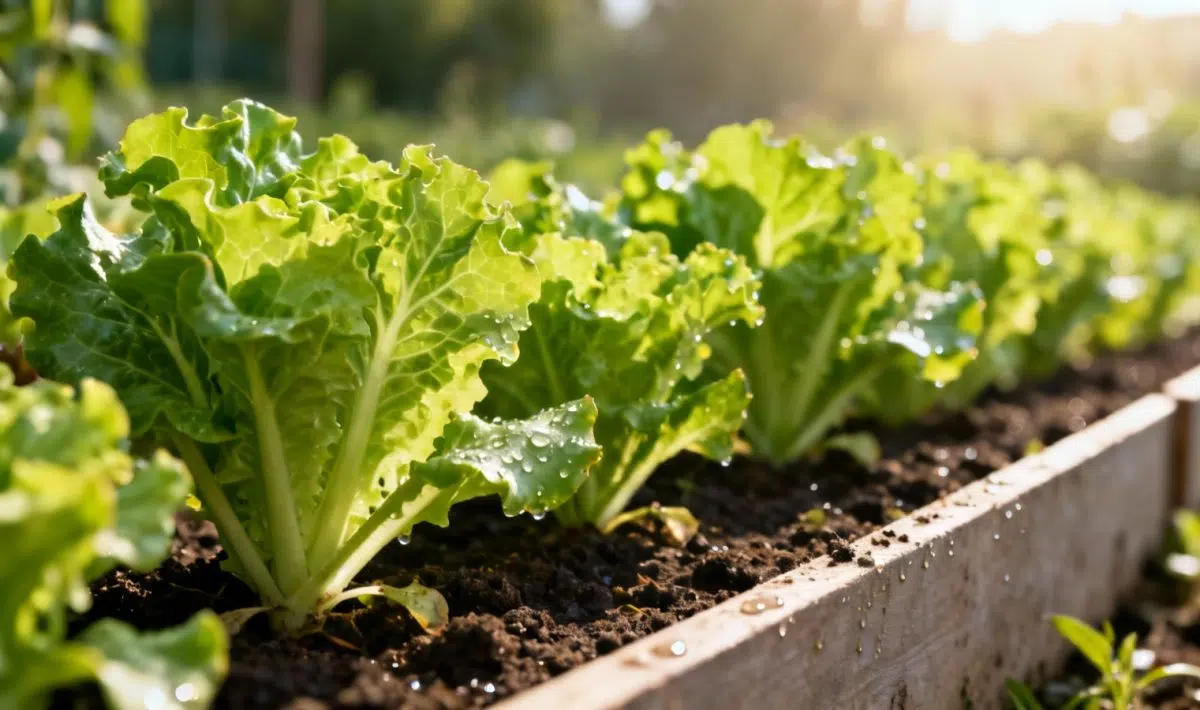
How often should you water your garden lettuce for healthy growth
Growing fresh lettuce in your garden can be incredibly rewarding, but getting the watering right makes all the difference between crisp, healthy leaves and disappointing results. Many gardeners struggle with finding that sweet spot – too little water and your plants wilt, too much and you risk root rot. Let me share what I’ve learned about how often you should water your garden lettuce to keep your plants thriving throughout the growing season.
Different lettuce varieties have slightly different requirements, but they all share one thing in common: they love consistent moisture. Romaine lettuce, with its tall, sturdy leaves, can handle slightly drier conditions than delicate butterhead varieties. Batavia lettuce falls somewhere in between, making it a great choice for beginners who are still learning the ropes.
Your soil type plays a huge role in how often you’ll need to water. Sandy soil drains quickly and will need more frequent watering, while clay soil holds moisture longer but can become waterlogged if you overdo it. The sweet spot is well-draining soil that retains some moisture – think of a wrung-out sponge.
Weather conditions are your biggest variable. During hot summer days when temperatures soar above 75°F, your lettuce plants will be thirsty and may need daily attention. Similar to how you might care for other garden plants, watering guidelines for wax begonias can offer insights into maintaining consistent moisture for leafy plants.
How often should you water your garden lettuce throughout the seasons
The golden rule I follow is watering 2 to 3 times per week during moderate weather. However, this changes dramatically with the seasons and your local climate. In spring and fall, when temperatures are cooler and humidity is higher, you can often get away with watering every other day or even every third day.
Summer is when things get tricky. When the mercury climbs, I find myself checking my lettuce plants daily. If the soil feels dry an inch below the surface, it’s time to water. During heat waves, you might need to water every single day to keep your plants from bolting or becoming bitter.
For young seedlings, I typically provide about 500ml of water per plant each day to establish strong roots. Once they’re mature, I increase this to about 1 liter every two days, adjusting based on weather conditions. Just as you would consider specific care requirements for different plant types, understanding techniques like those used in care tips for Ghost plants can help you develop a more intuitive approach to plant watering.
Best timing and techniques for watering lettuce
Timing is everything when it comes to watering your vegetables. I always water my lettuce early in the morning, ideally between 6 and 8 AM. This gives the plants time to absorb the water they need before the heat of the day, and it allows any excess moisture on the leaves to evaporate, reducing the risk of fungal diseases.
Evening watering can work too, but I prefer morning for lettuce. If you must water in the evening, do it early enough that the leaves have time to dry before nightfall. Wet leaves sitting overnight are an invitation for trouble.
As for technique, I’ve found that gentle, deep watering works best. Use a watering can with a rose attachment or a hose with a gentle spray nozzle. Water at the base of the plants rather than from above – this keeps the leaves dry and gets the water where it’s needed most: the roots.
When setting up your watering routine, you can draw inspiration from methods that work well for other garden plants. For instance, the consistent approach detailed in watering suggestions for English ivy demonstrates how regular, thoughtful watering schedules benefit plant health.
Signs your lettuce needs more or less water
Learning to read your plants is crucial for successful lettuce growing. Thirsty lettuce will show you several clear signs: leaves become limp and lose their crispness, the soil pulls away from the edges of containers, and growth slows noticeably.
On the flip side, overwatered lettuce develops yellowing leaves, particularly the older ones near the base. The soil might have a sour smell, and you may notice fungal growth or root rot if you gently lift a plant to check.
The finger test is your best friend here. Stick your finger about two inches into the soil near your plants. If it’s dry at that depth, it’s time to water. If it’s still moist, wait another day and check again.
Seasonal adjustments and special considerations
Spring lettuce benefits from consistent moisture as seeds germinate and young plants establish themselves. During this cooler period, you can usually water every 2-3 days unless you’re experiencing an unusual dry spell.
Summer growing requires the most attention. When temperatures consistently exceed 80°F, your lettuce plants will need daily monitoring. Consider using mulch around your plants to help retain moisture and keep the roots cool. Some gardeners even provide afternoon shade during the hottest part of the day.
Fall lettuce is often the easiest to manage. Cooler temperatures and increased humidity mean you can reduce watering frequency while still maintaining healthy plants. This is when many gardeners harvest their best lettuce of the year.
Just like learning proper watering schedules for different garden plants, understanding various care approaches can improve your overall gardening success. The methods described for optimal care for turtle vines show how attention to specific plant needs leads to better results.
Container growing and special setups
Growing lettuce in containers requires more frequent watering than garden beds. Containers dry out faster, especially in hot weather or windy conditions. You might find yourself watering container lettuce daily during summer months.
The size of your container matters too. Smaller pots need more frequent watering, while larger containers with more soil can go longer between waterings. I always choose containers with drainage holes – standing water is lettuce’s enemy.
If you’re using a drip irrigation system or soaker hoses, you can provide more consistent moisture with less hands-on work. Set these systems to run for longer periods but less frequently, allowing water to penetrate deeply into the soil.
For gardeners managing multiple plant types, techniques from resources like keeping your common bugle healthy can provide valuable insights into maintaining proper moisture levels across different garden areas.
Troubleshooting common watering problems
Bolting is one of the most frustrating problems lettuce growers face, and inconsistent watering often contributes to it. When plants experience water stress followed by heavy watering, they think it’s time to reproduce and send up flower stalks.
Bitter leaves are another sign of watering issues. Lettuce that doesn’t get enough consistent moisture develops a harsh, unpleasant taste. Once bitterness sets in, it’s difficult to reverse, so prevention through proper watering is key.
If you notice fungal problems like damping-off in seedlings or leaf spot on mature plants, examine your watering practices. You might be watering too frequently, watering late in the day, or getting water on the leaves too often.
Understanding diverse watering needs across your garden helps develop better overall plant care instincts. Resources about specific plant care, such as watering tips for Egyptian starclusters, can expand your knowledge of how different plants respond to various watering approaches.
Making watering easier and more effective
Mulching around your lettuce plants is one of the best investments you can make. A two-inch layer of organic mulch helps retain soil moisture, reduces watering frequency, and keeps weeds at bay. Straw, shredded leaves, or grass clippings all work well.
Consider installing a simple drip irrigation system if you’re growing a lot of lettuce. These systems deliver water directly to the root zone, reducing waste and keeping leaves dry. They’re particularly helpful if you travel frequently or have a large garden to maintain.
Keep a watering journal for your first season or two. Note when you water, how much you provide, and how your plants respond. Weather patterns vary from year to year, and having records helps you make better decisions in future seasons.
Getting the most from your harvest
Proper watering doesn’t just keep your plants alive – it directly affects the quality of your harvest. Well-watered lettuce produces tender, crisp leaves with excellent flavor. The best time to harvest is in the morning after the plants have had a chance to rehydrate from the previous day’s heat.
You can harvest lettuce in several ways: cut the entire head at once, or practice cut-and-come-again harvesting by taking outer leaves and letting the center continue growing. Either method works well when you maintain consistent soil moisture.
Remember that different varieties have different harvest windows. Some bolt quickly in heat despite good watering, while others are more heat-tolerant. Choose varieties appropriate for your climate and growing season to get the best results from your watering efforts.
Allan is a lifelong gardening enthusiast who still gets excited when the first seedlings pop up in spring. With a deep love for nature and a hands-in-the-soil approach, he shares practical tips, plant discoveries, and clever tricks picked up over years of digging, planting, and observing. Whether you’re a new gardener or have a shed full of tools, Allan writes like a neighbor who’s always happy to swap cuttings and stories over the fence.
You can find more about Allan’s work on Malt or connect with him on LinkedIn.