
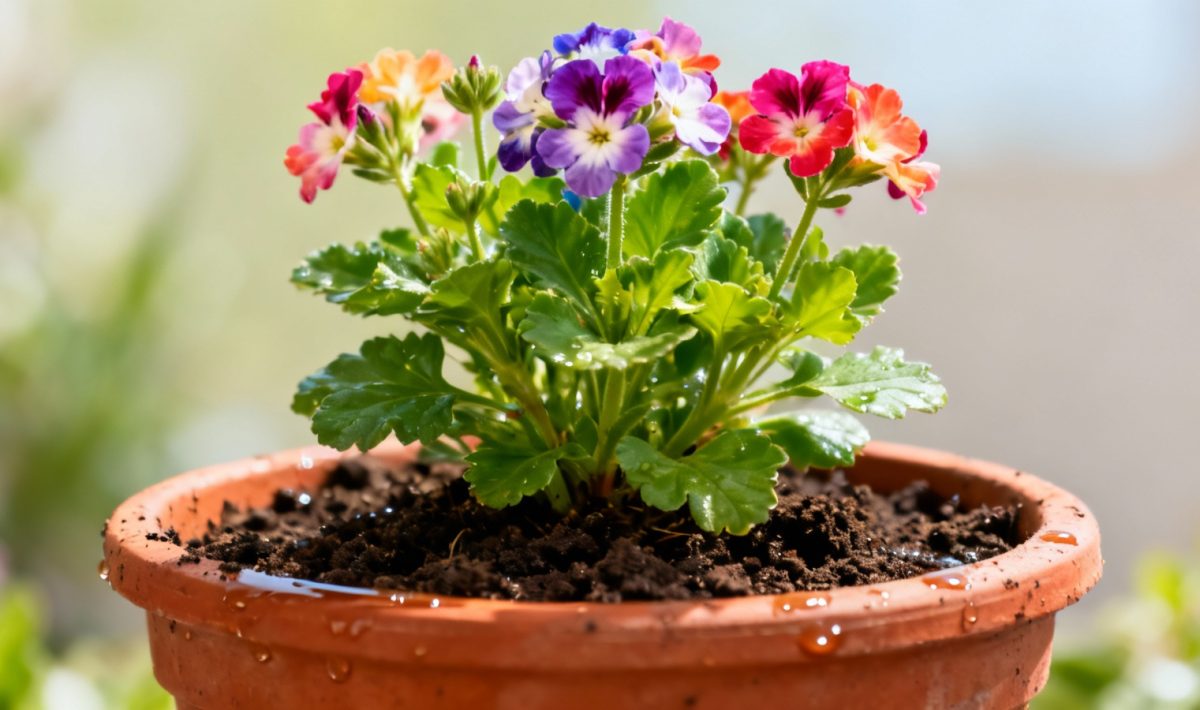
Sweet william flowers bring such charm to any garden with their vibrant clusters and delightful fragrance. These lovely blooms, known botanically as Dianthus barbatus, are relatively easy to grow, but getting the watering just right can make all the difference between mediocre plants and absolutely stunning displays. Understanding how often should you water your sweet william is crucial for their success.
Understanding sweet william water needs
Sweet william plants are quite particular about their moisture requirements. They love consistently moist soil but absolutely hate having wet feet. These charming flowers typically reach about 2 feet in height and develop strong root systems that can handle some drought once established. However, they perform best when you maintain steady moisture levels throughout their growing season.
The key is finding that sweet spot where the soil stays lightly moist without becoming waterlogged. Sweet william plants will quickly show you if they’re unhappy with their water situation. Too much water leads to yellowing leaves and potential root rot, while too little water results in wilted, droopy flowers that lose their vibrant colors.
Generally speaking, you should water your sweet william about once per week during spring and early fall. This frequency works well for most garden situations, but you’ll need to adjust based on your specific conditions. Just like water your chives effectively for growth, sweet william benefits from consistent moisture management.
Factors that influence watering frequency
Your local climate plays a huge role in determining how often you’ll need to water. During hot summer days when temperatures soar above 85°F, your sweet william may need additional water or even some afternoon shade. These plants can actually go dormant in extreme heat and humidity, so don’t panic if they seem to slow down during the hottest part of summer.
Soil type matters tremendously for watering success. Well-draining, loamy soil with good fertility gives you the best results. Heavy clay soils hold too much moisture and can cause problems, while sandy soils drain too quickly and require more frequent watering. If you’re growing other moisture-loving plants nearby, consider how you might ensure optimal growth of your watermelon in similar conditions.
The age of your plants also affects their water needs. Young seedlings and newly transplanted sweet william require more frequent attention, sometimes needing water every few days. Established plants with developed root systems can handle longer periods between watering sessions.
How to check soil moisture properly
The finger test remains one of the most reliable methods for checking soil moisture. Simply stick your finger about one inch deep into the soil around your sweet william. If the soil feels dry at this depth, it’s time to water. If it still feels moist, wait another day or two before checking again.
Visual cues from your plants can also guide your watering decisions. Healthy sweet william leaves should look perky and vibrant. When plants start to wilt slightly or the soil surface looks dry and crusty, these are good indicators that watering time has arrived.
For gardeners who want more precision, a simple moisture meter can take the guesswork out of watering decisions. These inexpensive tools give you accurate readings and help prevent both overwatering and underwatering problems.
Seasonal watering adjustments
Spring brings active growth for sweet william, and this is when consistent watering becomes most important. As temperatures warm up and daylight hours increase, your plants will use more water. During this season, stick to your weekly watering schedule unless rainfall provides adequate moisture.
Summer watering requires more attention to timing and technique. Water early in the morning or late in the evening to minimize evaporation. If you’re growing other flowering plants that need similar care, you might find parallels in how you maintain healthy growth of blackberries during hot weather.
Fall brings another period of active growth as temperatures cool down. Resume regular weekly watering if summer heat caused your plants to slow down. This is also when sweet william often produces a second flush of blooms, making consistent moisture especially important.
Winter watering depends entirely on your climate zone. In areas with freezing temperatures, reduce watering significantly. In milder climates where sweet william continues growing through winter, maintain minimal watering just to prevent complete drought stress.
Best watering techniques for sweet william
Deep, thorough watering beats frequent shallow watering every time. When you do water, give your sweet william a good drink that penetrates several inches into the soil. This encourages deep root development and helps plants become more drought-tolerant over time.
Water at soil level rather than sprinkling water over the leaves. Wet foliage can encourage fungal diseases, especially in humid conditions. Use a soaker hose, drip irrigation, or simply water carefully at the base of each plant.
Mulching around your sweet william helps retain soil moisture and reduces watering frequency. Apply a 2-3 inch layer of organic mulch like shredded bark or compost, keeping it a few inches away from plant stems to prevent pest and disease issues.
Troubleshooting common watering problems
Overwatering symptoms include yellowing leaves, mushy stems, and a general decline in plant vigor. If you notice these signs, reduce watering frequency immediately and improve drainage around your plants if possible.
Underwatering shows up as wilted leaves, dropped flower buds, and stunted growth. Increase watering frequency gradually rather than giving drought-stressed plants a sudden flood of water.
For gardeners dealing with challenging growing conditions, learning from other flowering plants can provide valuable insights. Understanding how to encourage beautiful blooms on wisteria can offer similar principles for managing moisture-sensitive flowering plants.
Creating the perfect watering schedule
Start with the basic guideline of once weekly watering and adjust based on your observations. Keep a simple garden journal to track when you water and how your plants respond. This helps you develop a customized schedule that works for your specific conditions.
Remember that consistency matters more than perfect timing. It’s better to water regularly on a slightly imperfect schedule than to water sporadically with perfect technique. Sweet william responds well to predictable care routines.
Monitor weather forecasts to adjust your watering plans. If significant rainfall is expected, you can skip your scheduled watering and let nature do the work. Just remember to resume your regular schedule once dry conditions return.
With proper watering techniques and attention to your sweet william’s needs, you’ll enjoy abundant blooms and healthy plants throughout the growing season. These charming flowers reward good care with spectacular displays of color and fragrance that make any garden special.

Allan is a lifelong gardening enthusiast who still gets excited when the first seedlings pop up in spring. With a deep love for nature and a hands-in-the-soil approach, he shares practical tips, plant discoveries, and clever tricks picked up over years of digging, planting, and observing. Whether you’re a new gardener or have a shed full of tools, Allan writes like a neighbor who’s always happy to swap cuttings and stories over the fence.
You can find more about Allan’s work on Malt or connect with him on LinkedIn.


