
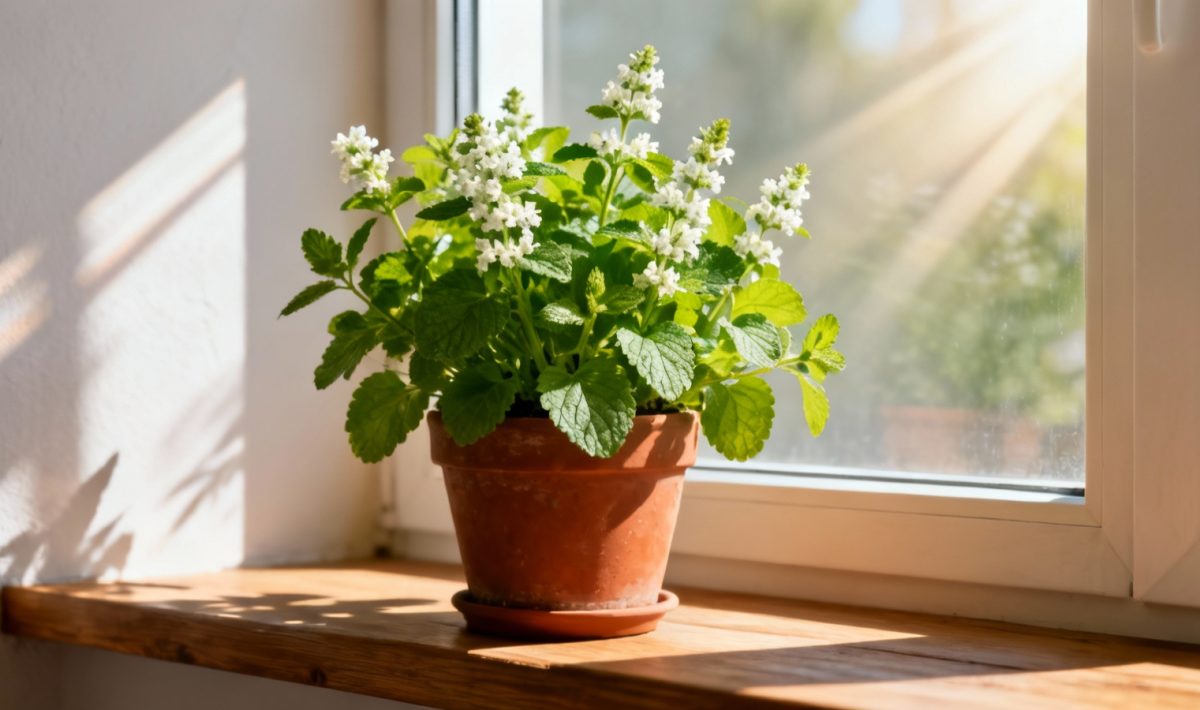
Understanding lemon balm and its light preferences
Lemon balm (Melissa officinalis) is a delightfully fragrant herb that brings both culinary and medicinal benefits to your garden. This hardy perennial plant produces aromatic leaves with a citrusy scent that attracts pollinisateurs like bees and butterflies. When you’re planning to cultivate this versatile herb, understanding how much sunlight does lemon balm need becomes essential for successful growth.
The plant thrives naturally in Mediterranean climates but adapts well to various growing conditions. Its edible flowers and leaves make it a valuable addition to any herb garden. With proper care, lemon balm can quickly establish itself and provide fresh herbe for teas, cooking, and natural remedies throughout the growing season.
Botanical characteristics of melissa officinalis
Lemon balm belongs to the mint family and shares many characteristics with its relatives. The plant typically reaches 2-3 feet in height when grown in optimal conditions. Its heart-shaped leaves release a pleasant lemony fragrance when crushed, making it highly prized for aromatherapy and culinary applications.
This fast-growing herb produces small white or pale yellow flowers that bloom throughout summer. These delicate blooms not only attract beneficial insects but also signal the plant’s readiness for harvest. Much like understanding sunlight needs for growing spearmint, recognizing lemon balm’s specific requirements ensures robust growth.
Sunlight requirements for healthy lemon balm plants
Lemon balm performs best with 4-6 hours of direct sunlight daily, though it demonstrates remarkable tolerance for partial shade conditions. Full sun exposure promotes vigorous growth and enhances the concentration of essential oils in the leaves. However, in extremely hot climates, some afternoon shade can prevent leaf scorch and maintain plant health.
The plant’s adaptability to various light conditions makes it an excellent choice for gardeners with different garden exposures. In shadier locations, lemon balm produces larger, more succulent leaves that are perfect for fresh use. This flexibility is similar to how sunlight requirements for herb robert vary based on specific growing conditions.
Effects of light intensity on plant development
Full sun conditions encourage compact, bushy growth with intense fragrance. Plants grown in bright light develop stronger stems and produce more flowers, which in turn attract more pollinisateurs to your garden. The increased flower production also means more opportunities for seed collection if you want to expand your herb plantation.
Partial shade creates different growing patterns but can be equally beneficial. Plants in these conditions often grow taller with broader leaves, making harvest more efficient. The key is finding the right balance for your specific garden microclimate and intended use of the herb.
Optimal growing conditions beyond sunlight
While sunlight remains crucial, successful lemon balm cultivation requires attention to soil preparation and drainage. The plant prefers well-draining soil with a neutral to slightly alkaline pH. Heavy clay soils can be improved with organic amendments to create the ideal growing medium.
Proper spacing is essential when planting multiple specimens. Space plants 18-24 inches apart to ensure adequate air circulation and prevent overcrowding. This spacing allows each plant to receive optimal light exposure while reducing competition for nutrients and water resources.
Container growing considerations
Growing lemon balm in containers offers excellent control over growing conditions. Use pots at least 12 inches deep with drainage holes to accommodate the plant’s root system. Container growing allows you to move plants to optimize sun exposure throughout the day.
This method is particularly useful for gardeners with limited space or those who want to bring plants indoors during harsh weather. Container cultivation also makes it easier to manage the plant’s tendency to spread, keeping it contained while still providing fresh herbs for your kitchen.
Seasonal care and maintenance tips
During spring establishment, young plants benefit from consistent moisture and protection from intense midday sun until they develop strong root systems. As the growing season progresses, established plants become more drought-tolerant and can handle full sun exposure better.
Regular harvesting encourages continued growth and prevents the plant from becoming leggy. Cut stems just above leaf pairs to promote branching and bushier growth. This practice is particularly important for plants grown in full sun, where growth tends to be more rapid.
Managing growth and spread
Lemon balm can spread aggressively through underground runners, similar to other mint family members. To control expansion, consider growing in containers or installing root barriers. Regular division every 2-3 years helps maintain plant vigor and prevents overcrowding.
Understanding these growth patterns helps gardeners plan their herb gardens more effectively. Just as with ideal sunlight conditions for pineapples, proper planning ensures each plant receives adequate resources for optimal development.
Harvesting and using your lemon balm
The best time to harvest lemon balm is in the morning after dew has dried but before the heat of the day. This timing ensures maximum oil content and the most intense fragrance. Fresh leaves can be used immediately in teas, salads, or as garnishes for various dishes.
For preservation, leaves can be dried for later use or frozen in ice cube trays with water. The plant’s versatility extends beyond culinary applications to include natural pest deterrent properties and therapeutic uses in traditional herbal medicine.
Companion planting benefits
Lemon balm makes an excellent companion plant for vegetables and other herbs. Its flowers attract beneficial insects that help with pollination and pest control. The plant’s aromatic properties can help deter certain garden pests naturally.
Consider pairing lemon balm with plants that have similar light requirements but different growth habits. This approach maximizes garden space while creating a diverse ecosystem that supports various beneficial creatures, much like understanding optimal sunlight requirements for watermelons helps create successful companion plantings.
Common growing challenges and solutions
While lemon balm is generally easy to grow, certain issues can arise with improper light conditions. Plants receiving insufficient sunlight may become leggy and produce fewer aromatic compounds. Conversely, too much intense sun without adequate water can cause leaf scorch and stress.
Pest problems are relatively rare, but aphids occasionally affect new growth. Regular inspection and proper garden hygiene help prevent most issues. The plant’s natural resistance to many common garden problems makes it an excellent choice for beginning gardeners.
Seasonal adaptations
As seasons change, lemon balm’s light requirements may need adjustment. In hot summer climates, providing afternoon shade can extend the growing season and prevent heat stress. Winter protection may be necessary in colder regions, though the plant is generally hardy in most temperate zones.
Understanding these seasonal variations helps ensure year-round success with your lemon balm plants. Similar adaptations are important when considering sunlight needs of Himalayan blackberries or sunlight requirements for horse chestnuts in mixed garden settings.
With proper attention to sunlight requirements and basic care, lemon balm rewards gardeners with abundant, fragrant foliage throughout the growing season. This reliable herb continues to be a favorite among both novice and experienced gardeners for its beauty, utility, and ease of cultivation.

Allan is a lifelong gardening enthusiast who still gets excited when the first seedlings pop up in spring. With a deep love for nature and a hands-in-the-soil approach, he shares practical tips, plant discoveries, and clever tricks picked up over years of digging, planting, and observing. Whether you’re a new gardener or have a shed full of tools, Allan writes like a neighbor who’s always happy to swap cuttings and stories over the fence.
You can find more about Allan’s work on Malt or connect with him on LinkedIn.


