
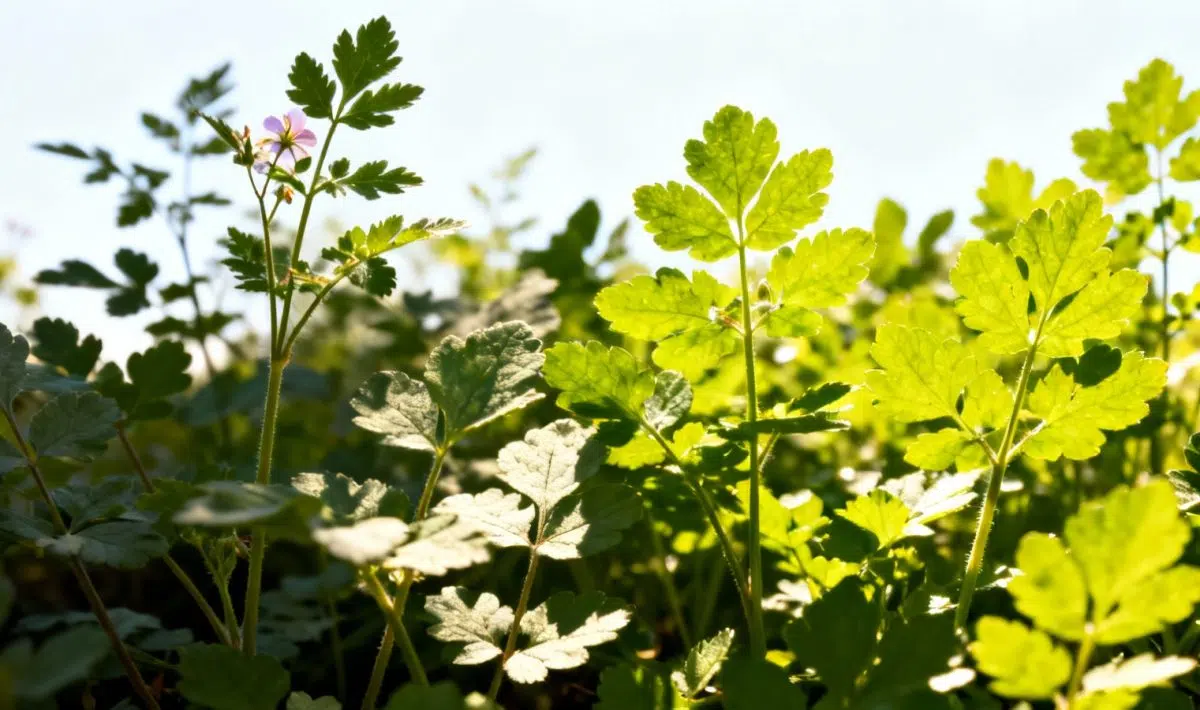
When it comes to growing Herb Robert (Geranium robertianum), understanding how much sunlight does herb robert need is crucial for successful cultivation. This charming botanical species thrives in partial shade conditions, making it an excellent choice for gardeners seeking versatile plants that adapt to varying light conditions.
Understanding herb robert’s natural habitat
Herb Robert naturally grows in semi-shaded environments across Europe, Asia, and North America. In its native habitat, this plant species flourishes along woodland edges, hedgerows, and shaded garden borders where filtered sunlight creates ideal growing conditions. The plant’s green foliage often develops distinctive red tinges when exposed to brighter light, thanks to protective pigments called anthocyanins.
This perennial herb enjoys conditions that mimic its wild origins – think dappled sunlight filtering through tree canopies. Unlike plants that demand full sun exposure, Herb Robert demonstrates remarkable adaptability to different light levels. For comparison, while other species like sunlight requirements for growing pineapples require intense tropical conditions, Herb Robert prefers gentler illumination.
Optimal sunlight conditions for herb robert
The ideal sunlight requirements for Herb Robert fall into the partial shade category, receiving approximately 3-6 hours of filtered or indirect sunlight daily. This botanical species performs best when protected from harsh midday sun, particularly during hot summer months. Morning sunlight combined with afternoon shade creates perfect growing conditions for healthy plant development.
In terms of soil and light interaction, Herb Robert adapts well to various soil types when light conditions remain consistent. The plant’s root system develops more robustly in cooler, shadier locations where soil moisture remains stable. Seeds germinate readily in these conditions, establishing strong foundational growth for the flowering season ahead.
Signs of proper light exposure
Well-positioned Herb Robert plants display vibrant green foliage with occasional red-tinged edges. The flowers bloom prolifically from spring through summer when light conditions meet the plant’s needs. Healthy specimens maintain compact growth habits without becoming leggy or stretched, indicating balanced sunlight exposure.
Conversely, plants receiving too much direct sun may show stressed foliage with excessive red coloration, while those in deep shade often produce weak, pale growth with reduced flowering. Finding the sweet spot ensures optimal plant health and botanical beauty throughout the growing year.
Seasonal light considerations
During spring months, Herb Robert benefits from gentle morning sunlight as new growth emerges from winter dormancy. The cooler temperatures combined with moderate light exposure encourage robust foliage development and early flowering. This timing aligns perfectly with the plant’s natural growth cycle.
Summer heat requires careful attention to light management. While the plant tolerates some direct sun, providing shade during peak afternoon hours prevents stress and maintains healthy growth. Similar to how ideal sunlight for growing watermelons requires specific timing, Herb Robert benefits from strategic light positioning during intense heat periods.
As autumn approaches, gradually increasing light exposure helps the plant prepare for winter dormancy. The natural reduction in daylight hours signals the plant to begin its seasonal transition, making this an excellent time for seed collection from mature specimens.
Growing herb robert from seeds
Starting Herb Robert from seeds requires specific light conditions for successful germination. Fresh seeds benefit from cool, shaded conditions that mimic natural forest floor environments. Sowing seeds in late summer or early autumn allows natural winter stratification, improving spring germination rates significantly.
When growing from seeds indoors, place containers in bright, indirect light rather than full sun exposure. A north-facing window or shaded south exposure provides ideal conditions for seedling development. Young plants establish more successfully when gradually acclimated to outdoor light conditions over several weeks.
The type of growing medium also influences light requirements. Well-draining soil mixed with organic matter creates optimal conditions when combined with proper light exposure. This combination supports healthy root development and strong plant establishment from the seed stage through maturity.
Comparing light needs with other plants
Understanding Herb Robert’s light requirements becomes clearer when compared to other botanical species. While sunlight needs for spearmint plants involve different considerations, both herbs share preferences for partial shade conditions. This similarity makes them excellent companion plants in herb gardens.
Unlike sun-loving species that require intense light for proper growth, Herb Robert thrives in conditions many gardeners consider challenging. This adaptability makes it valuable for filling shaded garden spaces where other flowering plants might struggle to establish successfully.
Common problems often stem from incorrect light exposure rather than other growing factors. Plants receiving insufficient light typically display elongated stems, pale foliage, and reduced flowering. Moving these specimens to brighter locations with filtered sunlight usually resolves these issues within weeks.
Conversely, excessive sun exposure causes leaf scorching, premature flowering, and overall plant stress. The distinctive red coloration that appears under bright conditions serves as a natural protective mechanism, but prolonged exposure can damage plant tissues. Creating shade during peak sun hours helps maintain plant health.
Monitoring seasonal changes helps prevent light-related problems before they become severe. As sun angles shift throughout the year, previously shaded areas may receive more direct light, requiring adjustments to maintain optimal growing conditions for established plants.
Maximizing growing success
For gardeners seeking to cultivate healthy Herb Robert populations, focusing on light management creates the foundation for success. Selecting appropriate planting locations based on existing shade patterns ensures long-term plant health without requiring frequent interventions or relocations.
Consider the mature size and growth habit when planning garden placement. This botanical species spreads naturally through self-seeding, creating attractive colonies under suitable light conditions. Much like optimal sunlight for Himalayan blackberries requires specific positioning, Herb Robert benefits from thoughtful location selection.
Regular observation throughout the growing season helps fine-tune light management strategies. Successful cultivation depends on understanding how changing conditions affect plant performance and making appropriate adjustments to maintain optimal growing environments year-round.

Allan is a lifelong gardening enthusiast who still gets excited when the first seedlings pop up in spring. With a deep love for nature and a hands-in-the-soil approach, he shares practical tips, plant discoveries, and clever tricks picked up over years of digging, planting, and observing. Whether you’re a new gardener or have a shed full of tools, Allan writes like a neighbor who’s always happy to swap cuttings and stories over the fence.
You can find more about Allan’s work on Malt or connect with him on LinkedIn.


