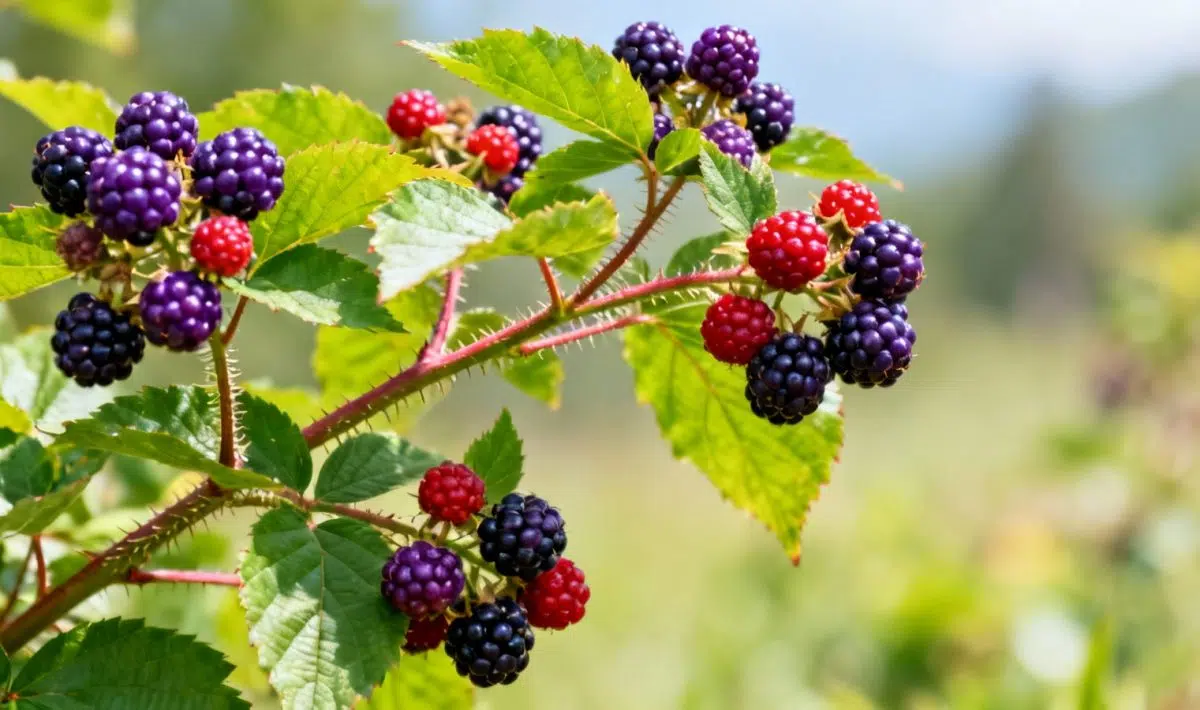
How much sunlight does himalayan blackberry need for optimal growth
If you’ve ever wondered how much sunlight does Himalayan blackberry need, you’re asking the right question. This vigorous plant has specific light requirements that directly impact its growth and fruit production. Understanding these needs will help you create the perfect growing conditions for this remarkable berry.
Himalayan blackberry thrives in full sunlight conditions, requiring at least 6 hours of direct sunlight daily for optimal development. This hardy plant originates from the mountainous regions of Asia, where it has adapted to bright, open environments. The abundant sunlight helps drive photosynthesis, ensuring robust growth and excellent fruit quality.
Sunlight requirements for himalayan blackberry success
The sunlight needs of Himalayan blackberry are quite specific for best results. Research shows that plants receiving less than 44% of total sunlight struggle to survive and certainly won’t produce good fruit yields. This data emphasizes why choosing a sunny location is crucial for your berry garden.
Full sun exposure provides the energy needed for the plant’s extensive root system development. The strong root network supports the vigorous cane growth that Himalayan blackberry is known for. Without adequate sunlight, you’ll notice weaker growth and significantly reduced berry production.
However, this adaptable plant can tolerate partial shade better than many other berry varieties. While it prefers full sun, it can still grow with around 4-5 hours of direct sunlight, though fruit production will be noticeably lower. Just like sunlight requirements for growing pineapple vary based on growing conditions, Himalayan blackberry adapts to different light situations.
Optimal growing conditions beyond sunlight
While sunlight is crucial, soil type and drainage play equally important roles in successful cultivation. Well-drained soil prevents root rot and allows the plant to absorb nutrients effectively. The combination of good drainage and full sun creates ideal conditions for healthy growth.
Soil amendments can significantly improve growing conditions when paired with adequate sunlight. Adding organic matter like compost enhances soil structure and water retention. This is particularly beneficial during the growing season when the plant needs consistent moisture alongside its sunlight requirements.
The USDA hardiness zone also influences how much sunlight your plants can handle. In cooler zones, maximum sun exposure helps extend the growing season and improves fruit ripening. Similar to how optimal sunlight for watermelon plants varies by region, your local climate affects sunlight needs.
Seasonal sunlight considerations
Spring and summer represent the most critical periods for sunlight exposure. During these months, Himalayan blackberry produces its flowers and develops fruit. The plant can produce up to 13,000 seeds per square meter under optimal full-sun conditions, demonstrating the power of adequate light.
Autumn sunlight remains important for plant preparation and root development. Even though fruit production winds down, the plant continues photosynthesis to store energy for the next growing season. Consistent sunlight during this period strengthens the plant for winter dormancy.
Winter sunlight requirements are minimal since the plant enters dormancy. However, choosing a location with good winter sun exposure helps prevent fungal issues and prepares the site for vigorous spring growth. Much like spearmint growth and sunlight needs change seasonally, berry plants adapt their light usage throughout the year.
Positioning and placement strategies
Selecting the right location involves more than just measuring sunlight hours. You need to consider surrounding structures, trees, and topography that might create shade. A south-facing slope typically provides the best sun exposure throughout the day.
Avoid planting near large trees or buildings that cast shadows during peak sunlight hours. Even temporary shade during midday can significantly impact fruit production and overall plant health. The goal is consistent, direct sunlight from morning through late afternoon.
Consider future growth when planning your planting location. What seems like full sun today might become partially shaded as nearby trees grow. Planning ahead ensures your Himalayan blackberry maintains its sunlight requirements for years to come, just as you would plan for sunlight for healthy horse chestnut trees in landscape design.
Signs of adequate vs insufficient sunlight
Plants receiving sufficient sunlight display vigorous growth with thick, sturdy canes and abundant flowering. The leaves maintain a healthy green color, and fruit production is consistent and plentiful. These are clear indicators that your sunlight levels are meeting the plant’s needs.
Insufficient sunlight manifests in several ways that are easy to recognize:
Thin, weak canes that bend easily
Pale or yellowing leaves
Reduced flowering and fruit production
Increased susceptibility to diseases
Slower overall growth rate
Monitoring these signs helps you adjust your growing strategy. If you notice insufficient sunlight symptoms, consider relocating plants or removing shade-creating obstacles. Unlike indoor plants such as indoor sunlight needs for Chinese evergreen that can adapt to lower light, outdoor berry plants require their full sun quota.
Maximizing sunlight benefits
Once you’ve established proper sunlight exposure, focus on supporting practices that maximize the benefits. Regular pruning removes excess growth that might shade lower branches, ensuring sunlight penetrates throughout the plant structure.
Mulching around the base helps retain soil moisture while reflecting additional light up to the lower leaves. This technique works particularly well with light-colored organic mulches that enhance the overall light environment around your plants.
Proper spacing between plants prevents competition for sunlight resources. Give each plant adequate room to spread and capture maximum light without shading neighboring plants. This spacing strategy ensures every plant receives its full sunlight requirement for optimal berry production.
Understanding how much sunlight Himalayan blackberry needs sets the foundation for successful cultivation. With at least 6 hours of direct sunlight daily, well-drained soil, and proper positioning, you’ll enjoy abundant harvests of these nutritious berries. Remember that consistent sunlight exposure throughout the growing season produces the best results for both plant health and fruit quality.
Allan is a lifelong gardening enthusiast who still gets excited when the first seedlings pop up in spring. With a deep love for nature and a hands-in-the-soil approach, he shares practical tips, plant discoveries, and clever tricks picked up over years of digging, planting, and observing. Whether you’re a new gardener or have a shed full of tools, Allan writes like a neighbor who’s always happy to swap cuttings and stories over the fence.
You can find more about Allan’s work on Malt or connect with him on LinkedIn.