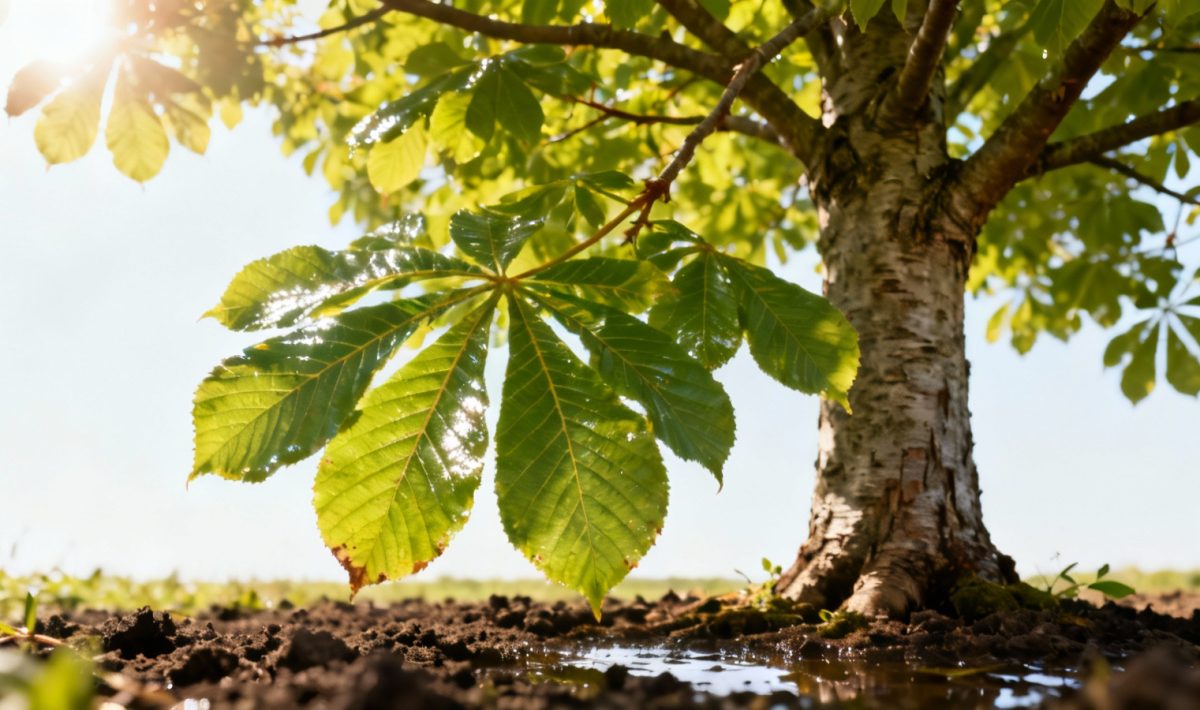
How much sunlight does horse chestnut need for healthy growth
When you’re planning to grow a magnificent horse chestnut tree in your garden, understanding its sunlight needs becomes absolutely crucial for success. These majestic trees, scientifically known as Aesculus hippocastanum, have specific light requirements that directly impact their growth, flowering, and overall health. Let me walk you through everything you need to know about providing the right amount of sunlight for your horse chestnut.
The horse chestnut thrives best in full sun to partial shade conditions, making it quite adaptable to various garden settings. In its natural habitat across Eastern Europe, this tree grows in mixed forests where it receives filtered sunlight through the canopy. However, for optimal growth in your garden, aim to provide at least 6 hours of direct sunlight daily.
Full sunlight exposure encourages robust growth and ensures the tree reaches its impressive mature height of 20 to 30 meters. The beautiful white flower clusters, known as panicles, develop most abundantly when the tree receives adequate light during spring and early summer. Without sufficient sunlight, you’ll notice reduced flowering and slower overall development.
Interestingly, just as different plants have varying needs – for instance, sunlight requirements for growing pineapple differ significantly from tree requirements – horse chestnuts demonstrate remarkable adaptability to light conditions while maintaining their preference for bright locations.
Signs your horse chestnut needs more light
Recognizing the symptoms of insufficient sunlight helps you address problems before they become serious. Pale, yellowing leaves often indicate your tree isn’t receiving enough light for proper photosynthesis. You might also notice elongated, weak branches as the tree stretches toward available light sources.
Reduced flowering represents another clear indicator of inadequate sunlight. Horse chestnuts produce their spectacular spring blooms most prolifically when positioned in bright locations. Poor fruit development and smaller overall size also suggest your tree would benefit from better light exposure.
The bark may appear less vibrant, and the characteristic dense crown formation might become sparse and irregular when light levels remain consistently low.
Optimal growing conditions beyond sunlight
While sunlight remains paramount, horse chestnuts require well-draining, fertile soil for best results. They prefer slightly acidic to neutral pH levels, typically between 6.0 and 7.5. Rich, loamy soil that retains moisture without becoming waterlogged creates ideal growing conditions.
These trees appreciate consistent moisture, especially during their establishment period. However, they’re surprisingly drought-tolerant once mature, making them excellent choices for various climates. Temperature-wise, horse chestnuts handle cold winters exceptionally well, surviving temperatures as low as -25°C.
Consider that plants have diverse needs – much like optimal sunlight for watermelon growth requires intense summer sun, horse chestnuts benefit from year-round consistent light rather than seasonal extremes.
Choosing the perfect location
When selecting a spot for your horse chestnut, look for areas that receive morning sunlight and some afternoon protection in extremely hot climates. The tree’s eventual size means you’ll need space for a 15-meter spread, so plan accordingly. Avoid locations near buildings or structures that might cast excessive shade as the tree matures.
South-facing slopes or open areas in larger gardens provide excellent conditions. Remember that young trees are more sensitive to intense heat, so some afternoon shade during their first few years can be beneficial.
Growing from graines and early care
Starting your horse chestnut from graines offers incredible satisfaction and allows you to witness the complete growing cycle. Fresh graines germinate best when planted immediately after collection in autumn, as they require a cold stratification period during winter months.
For successful germination, plant graines about 5 centimeters deep in well-prepared soil. Keep the soil consistently moist but not waterlogged throughout winter. Come spring, you’ll notice the first shoots emerging, requiring immediate protection from harsh sunlight while gradually increasing exposure.
Young seedlings need filtered light initially, similar to how growing spearmint and sunlight needs require careful light management during establishment. Gradually increase their sun exposure over several weeks to prevent shock.
Purchasing quality graines
When buying horse chestnut graines, source them from reputable sellers who guarantee freshness and viability. Look for plump, firm graines without cracks or soft spots. Many online boutique sellers offer excellent quality with detailed growing instructions.
Check évaluations from previous buyers to ensure you’re dealing with reliable sellers. Quality graines should arrive well-packaged and ready for immediate planting. Some sellers even provide germination guarantees, giving you confidence in your purchase.
Seasonal light considerations
Horse chestnuts experience varying light needs throughout the year. During spring, increased daylight triggers bud break and rapid leaf development. This period requires consistent, bright light to support the energy demands of new growth and flower production.
Summer months bring peak photosynthesis activity, making adequate sunlight absolutely critical. The tree’s large, palmate leaves efficiently capture available light, but insufficient exposure during this period can impact the following year’s flowering potential.
Autumn brings natural light reduction, which signals the tree to prepare for dormancy. Unlike some indoor plants that require specific light management – such as understanding light requirements for Chinese evergreen – mature horse chestnuts naturally adapt to seasonal changes without intervention.
Maintaining healthy trees long-term
Established horse chestnuts require minimal intervention once their light needs are met. Regular pruning to remove dead or crossing branches helps maintain good light penetration throughout the crown. This practice ensures all parts of the tree receive adequate illumination.
Monitor your tree’s annual growth and flowering patterns to assess whether its current location continues meeting its needs. Sometimes, surrounding vegetation or new construction can alter light conditions, requiring adjustments to maintain optimal health.
With proper sunlight exposure and basic care, your horse chestnut will reward you with decades of spectacular spring fleurs and impressive autumn foliage, becoming a true centerpiece in your garden landscape.
Allan is a lifelong gardening enthusiast who still gets excited when the first seedlings pop up in spring. With a deep love for nature and a hands-in-the-soil approach, he shares practical tips, plant discoveries, and clever tricks picked up over years of digging, planting, and observing. Whether you’re a new gardener or have a shed full of tools, Allan writes like a neighbor who’s always happy to swap cuttings and stories over the fence.
You can find more about Allan’s work on Malt or connect with him on LinkedIn.