Eastern red cedar sunlight needs and growing requirements
Eastern red cedar, scientifically known as Juniperus virginiana, is a resilient North American conifer that has captured the attention of gardeners and landscape enthusiasts. Understanding how much sunlight does Eastern red cedar need is crucial for successful cultivation and establishing thriving trees in your outdoor space. This remarkable evergreen species offers both ornamental beauty and practical benefits for those willing to provide proper growing conditions.
Understanding Eastern red cedar’s light requirements
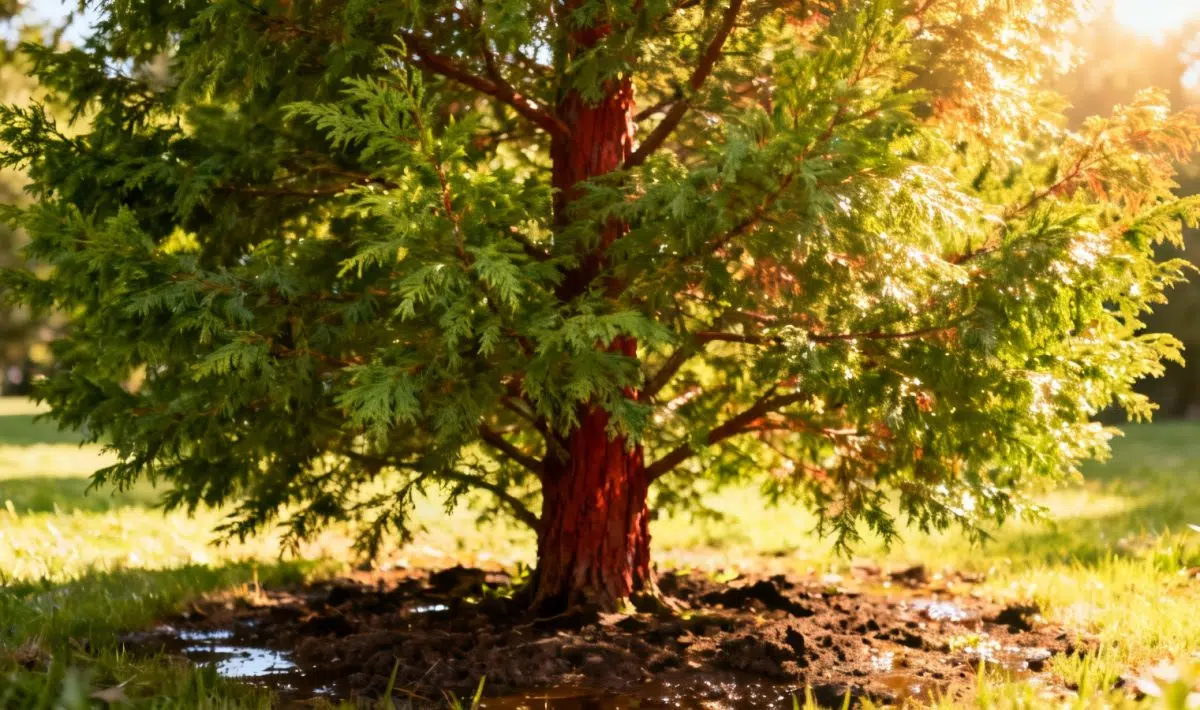
Eastern red cedar thrives best in full sun conditions, requiring at least 6 hours of direct sunlight daily for optimal growth. This sunlight exposure ensures vigorous development, dense foliage, and the characteristic deep green coloration that makes this tree so attractive. Without adequate light, the tree may become leggy and sparse, losing its natural compact form.
The tree can tolerate partial shade with 4-6 hours of sunlight, but growth will be noticeably slower. Young trees show some tolerance for light shade conditions, though they perform significantly better when planted in sunny locations with well-draining soil. Just as sunlight requirements for growing watermelon vary from tree requirements, each plant species has evolved specific light needs for optimal development.
Optimal growing conditions for Eastern red cedar
When planning your Eastern red cedar planting project, consider that these trees can achieve growth rates of 15-61 cm annually under ideal conditions. Full sun exposure combined with proper soil drainage creates the perfect environment for robust development. The tree’s drought tolerance makes it an excellent choice for challenging locations where other species might struggle.
Seasonal variations in sunlight affect growth patterns, with spring and summer providing peak growing conditions. During these months, the tree maximizes photosynthesis and energy production. Winter sunlight, though less intense, still contributes to the tree’s overall health and helps maintain its evergreen foliage throughout the cold season.
Signs of insufficient sunlight
Recognizing symptoms of inadequate light exposure helps you address problems early. Eastern red cedar suffering from light stress typically displays thin, sparse branching and pale green foliage. The tree may also develop an open, irregular growth pattern instead of the dense, pyramidal shape characteristic of healthy specimens.
If you notice these symptoms, consider transplanting young trees to sunnier locations or removing nearby shade sources. Similar to how ideal sunlight for spearmint plants affects herb growth, insufficient light dramatically impacts tree vigor and appearance.
Where to buy Eastern red cedar seeds and trees
Quality seeds and seedlings are essential for starting your Eastern red cedar project successfully. Reputable online nurseries offer fresh seeds with detailed planting instructions and fast shipping options. When selecting suppliers, look for those specializing in native North American species and providing germination guarantees.
Many suppliers offer expedited delivery services to ensure seeds arrive in optimal condition. This is particularly important for maintaining seed viability and achieving high germination rates. Some retailers also provide comprehensive growing guides and customer support to help beginners succeed with their planting projects.
Choosing the right planting location
Selecting an appropriate site involves evaluating sunlight patterns throughout the day and across seasons. Observe potential planting areas during different times to ensure they receive adequate direct sun exposure. Avoid locations where buildings, mature trees, or other structures create prolonged shade.
Soil drainage is equally important as sunlight exposure. Eastern red cedar prefers well-draining soils and can struggle in consistently wet conditions. Just as cucumber sunlight needs for best growth require specific environmental conditions, trees need proper site preparation for long-term success.
Planting and establishment guidelines
Proper planting techniques maximize your investment in quality seeds or seedlings. Plant seeds in fall or early spring when natural temperature fluctuations help break dormancy. Seeds typically require cold stratification for 90-120 days before germination occurs in warm spring conditions.
For seedling transplants, early spring planting allows roots to establish before summer heat stress. Dig planting holes twice the width of the root ball but only as deep as the container. This prevents settling and ensures the root collar remains at ground level.
Post-planting care recommendations
Newly planted Eastern red cedars benefit from regular watering during their first growing season, though established trees become quite drought tolerant. Apply water slowly and deeply to encourage deep root development rather than frequent shallow watering.
Mulching around young trees helps retain soil moisture and suppress competing vegetation. Keep mulch several inches away from the trunk to prevent moisture-related problems and pest issues. Unlike indoor plants such as optimal light conditions for ghost plants, outdoor trees face additional environmental challenges requiring thoughtful care.
Benefits of growing Eastern red cedar
Eastern red cedar provides numerous advantages for property owners and the environment. The tree serves as excellent windbreak protection, reducing energy costs and creating more comfortable outdoor spaces. Its dense evergreen foliage offers year-round privacy screening and wildlife habitat.
From an ecological perspective, these trees support local wildlife populations by providing nesting sites and food sources. The berries feed various bird species, while the dense branches offer shelter during harsh weather. Additionally, Eastern red cedar requires minimal maintenance once established, making it an environmentally sustainable landscaping choice.
Long-term growth expectations
Patience is essential when growing Eastern red cedar from seeds, as germination and establishment take time. Young trees may grow slowly initially but accelerate once their root systems develop fully. Mature specimens can reach heights of 40-50 feet with proper care and adequate sunlight exposure.
The tree’s longevity makes it an excellent investment for future generations. With proper site selection and care, Eastern red cedar can thrive for decades while continuously increasing in value and beauty. This long-term perspective makes the initial effort and investment worthwhile for dedicated gardeners seeking lasting results.
Allan is a lifelong gardening enthusiast who still gets excited when the first seedlings pop up in spring. With a deep love for nature and a hands-in-the-soil approach, he shares practical tips, plant discoveries, and clever tricks picked up over years of digging, planting, and observing. Whether you’re a new gardener or have a shed full of tools, Allan writes like a neighbor who’s always happy to swap cuttings and stories over the fence.
You can find more about Allan’s work on Malt or connect with him on LinkedIn.