
Understanding American elder sunlight requirements
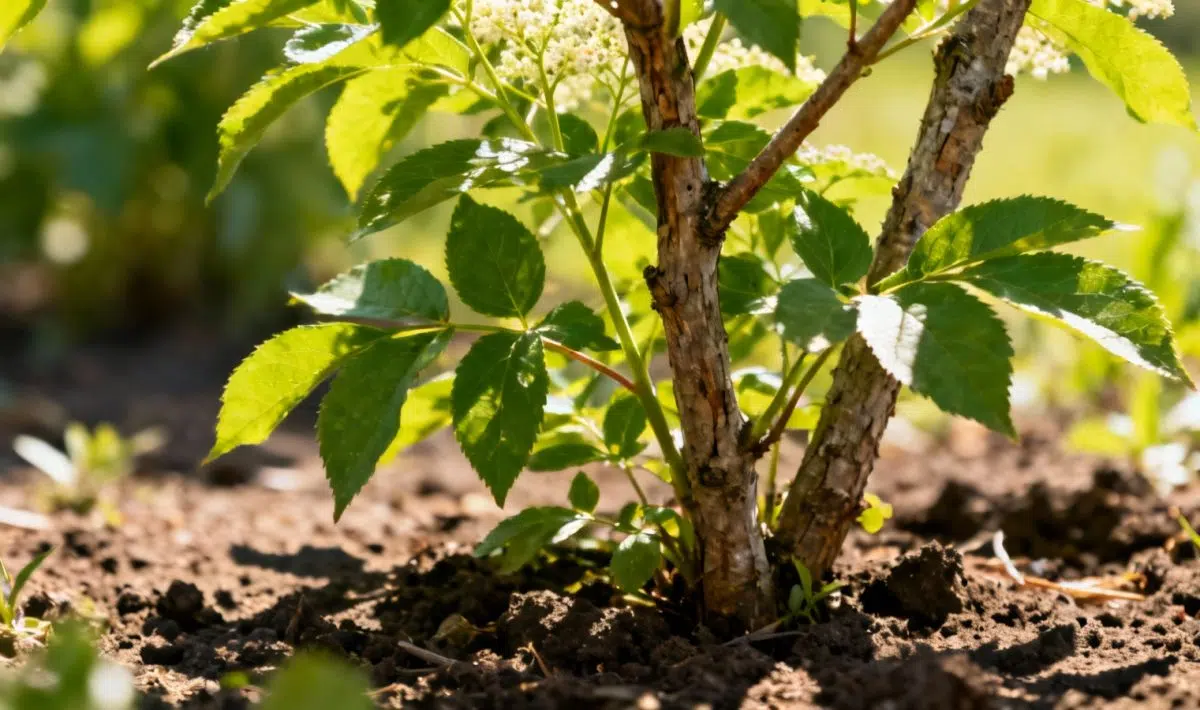
The American elder, scientifically known as Sambucus canadensis, is a remarkable deciduous shrub that thrives when you provide the right amount of sunlight. This native North American plant has specific light needs that will determine how well your elderberry bushes grow and produce fruit. Understanding these requirements from the start will help you create the perfect growing environment for your plants.
American elder plants perform best with full sun to partial shade exposure, typically needing at least 6-8 hours of direct sunlight daily. While they can tolerate some shade, the fruit production and overall plant vigor will significantly improve with adequate light. This requirement makes them quite adaptable compared to many other fruit-bearing shrubs that demand constant full sun.
The intensity and duration of sunlight directly impact the photosynthesis process, which drives the plant’s growth and fruit development. When elderberry plants receive insufficient light, you’ll notice reduced flowering, smaller berry clusters, and weaker overall plant structure. However, with proper sun exposure, these hardy plants can reach heights of 8-12 feet and produce abundant harvests year after year.
Optimal growing conditions for American elderberry
Beyond sunlight, American elder plants thrive in well-draining soil with consistent moisture levels. They prefer slightly acidic to neutral soil pH between 5.5 and 6.5, though they’re quite forgiving if your garden soil falls outside this range. The key is ensuring good drainage while maintaining adequate moisture, especially during the growing season.
Temperature tolerance is another strength of American elder, as these plants can withstand cold winters down to USDA zone 3. During summer months, they appreciate morning sun with some afternoon protection in extremely hot climates. This adaptability makes them excellent choices for gardeners across diverse climate zones, from cool northern regions to warmer southern areas.
When planning your garden layout, consider that mature elderberry bushes will spread 6-10 feet wide. This natural growth pattern means you’ll need to space plants appropriately to prevent overcrowding, which can reduce air circulation and create competition for sunlight among your plants.
Planting strategies for maximum sun exposure
Choosing the right location in your garden is crucial for elderberry success. Look for areas that receive morning sun, which helps dry dew from leaves and reduces disease pressure. The ideal spot will have good air circulation and protection from strong winds that might damage the somewhat brittle branches.
Avoid planting elderberries too close to large trees or structures that cast shadows during peak growing hours. Even partial shading during midday can impact fruit production significantly. If your garden has limited full-sun areas, prioritize morning and early afternoon light over late-day exposure for best results.
Consider the seasonal sun patterns in your yard, as the angle of sunlight changes throughout the year. What seems like full sun in spring might become partially shaded once nearby deciduous trees leaf out. Planning for these changes will help ensure your elderberry plants receive consistent light throughout the growing season.
Companion planting considerations
When selecting companion plants for your elderberry bushes, choose species with similar light requirements that won’t compete aggressively for sunlight. Low-growing herbs and perennials work well, as they won’t interfere with the elderberry’s access to light. Some gardeners find success growing plants like comfrey or chives nearby, which can actually benefit soil health without creating shade issues.
Interestingly, while researching optimal growing conditions, you might find similarities with other sun-loving crops. For instance, learning about ideal sunlight for growing pineapples can provide insights into how consistent light exposure affects fruit development across different plant species.
Recognizing and addressing light deficiency
Several signs indicate when your elderberry plants aren’t receiving enough sunlight. Weak, spindly growth with elongated spaces between leaves is often the first symptom you’ll notice. The plant essentially stretches toward available light, creating an unbalanced appearance that affects both aesthetics and fruit production.
Poor flowering is another clear indicator of insufficient light exposure. American elder plants that receive adequate sunlight will produce large, creamy-white flower clusters in late spring or early summer. When light is limited, these flower clusters become smaller and less numerous, directly impacting your eventual berry harvest.
Fruit quality also suffers under low-light conditions. Berries may remain small, fail to develop proper color, or taste less sweet than those from plants grown in optimal conditions. This is particularly important if you’re growing elderberries for culinary use, as properly ripened berries from well-lit plants offer the best flavor profiles.
Solutions for improving light exposure
If your elderberry plants are struggling with insufficient light, several strategies can help improve their growing conditions. Pruning nearby vegetation to reduce shade is often the most effective immediate solution. Remove lower branches from overhead trees or thin dense shrubs that might be blocking sunlight during crucial growing hours.
Transplanting young elderberry plants to sunnier locations is possible, though it requires careful timing and proper technique. Early spring or late fall are the best seasons for moving established plants, when they’re dormant and less likely to experience transplant shock. Always dig a generous root ball and water thoroughly after replanting.
Much like understanding optimal sunlight for watermelons helps with vegetable gardening, recognizing the specific light needs of elderberries ensures you’re providing the best possible growing environment for these valuable native plants.
Seasonal sunlight management
American elder plants experience different light needs throughout their growing cycle. During early spring, when plants are breaking dormancy and beginning new growth, consistent light exposure helps promote strong shoot development. This early-season light is crucial for establishing the framework that will support heavy fruit loads later in the year.
Summer sunlight intensity peaks during the flowering and fruit development periods. While elderberries can handle full sun, extremely hot climates might benefit from light afternoon shade to prevent stress during the hottest parts of the day. Monitor your plants during heat waves, watching for signs of wilting or leaf scorch that might indicate they need protection.
Fall light continues to be important as plants prepare for dormancy. Adequate autumn sun exposure helps elderberry bushes properly harden off for winter, storing energy reserves that will fuel next year’s growth and fruit production. This seasonal preparation is essential for long-term plant health and productivity.
Just as gardeners learn about sunlight requirements for growing spearmint to optimize herb gardens, understanding elderberry light needs through all seasons ensures consistent success with these remarkable native shrubs.
Maximizing fruit production through proper light management
The connection between sunlight exposure and fruit quality in American elder cannot be overstated. Plants receiving 6-8 hours of direct sunlight daily will produce larger, more abundant berry clusters with higher sugar content. This improved fruit quality makes a noticeable difference whether you’re harvesting for jams, syrups, or fresh consumption.
Proper pruning plays a vital role in maintaining optimal light penetration throughout the elderberry bush. Remove dead, diseased, or crossing branches annually during dormant season to improve air circulation and ensure sunlight reaches all parts of the plant. This maintenance practice prevents the interior of large bushes from becoming too shaded and unproductive.
Training young elderberry plants with proper spacing and structure from the beginning pays dividends in later years. Well-spaced main branches allow sunlight to penetrate the canopy effectively, promoting fruit production throughout the entire plant rather than just on the outer edges where light is most abundant.
The principles of light management apply across many garden crops, and understanding concepts like sunlight needs of Madagascar periwinkle can broaden your overall gardening knowledge and help you create more productive growing spaces for all your plants.
Creating the perfect elderberry growing environment
Success with American elder comes from combining proper sunlight exposure with other essential growing conditions. While 6-8 hours of direct sun forms the foundation, consistent soil moisture, adequate nutrition, and proper air circulation work together to create thriving plants that will reward you with years of abundant harvests.
Regular monitoring helps you fine-tune growing conditions as your elderberry plants mature and your garden evolves. Watch for changes in light patterns as nearby plants grow or structures cast new shadows. Being proactive about maintaining optimal conditions will keep your elderberry bushes productive for many seasons to come.
Remember that American elder plants are remarkably adaptable and forgiving, but providing ideal growing conditions from the start will maximize their potential. With proper sunlight exposure as your foundation, these native treasures will become valuable additions to any garden, providing both ornamental beauty and delicious, nutritious fruit for years to come.

Allan is a lifelong gardening enthusiast who still gets excited when the first seedlings pop up in spring. With a deep love for nature and a hands-in-the-soil approach, he shares practical tips, plant discoveries, and clever tricks picked up over years of digging, planting, and observing. Whether you’re a new gardener or have a shed full of tools, Allan writes like a neighbor who’s always happy to swap cuttings and stories over the fence.
You can find more about Allan’s work on Malt or connect with him on LinkedIn.


