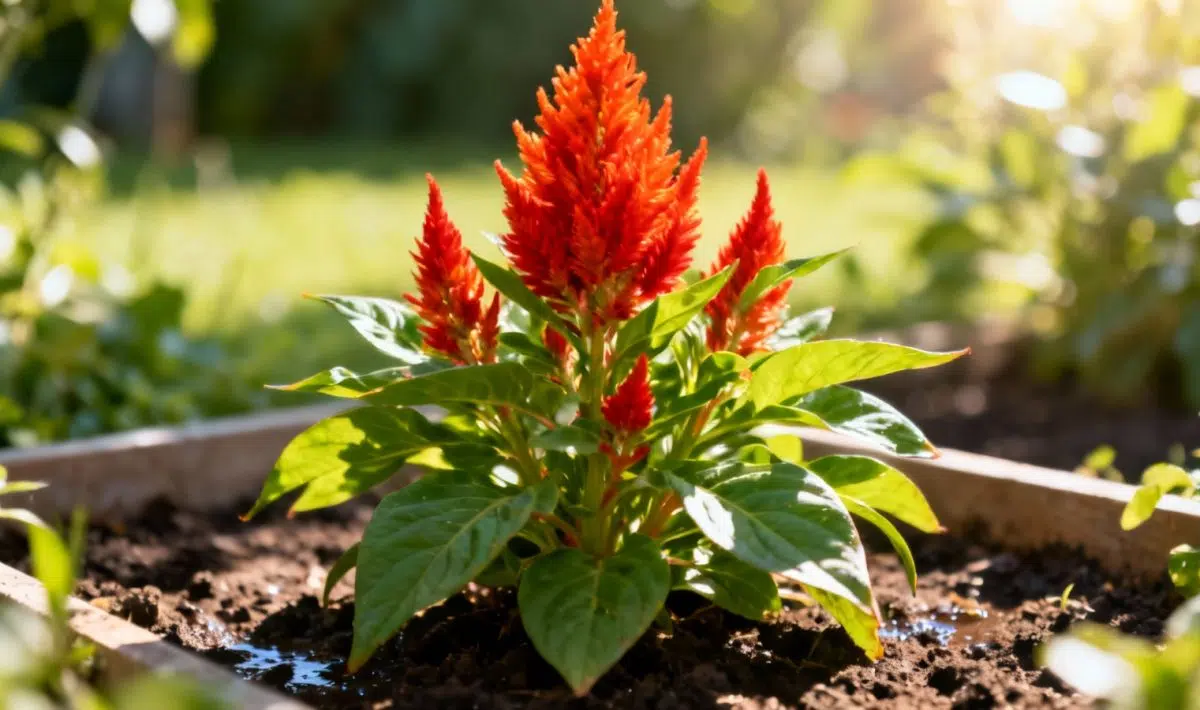
How much sunlight does cock’s comb need? Complete growing requirements
When I first started growing cock’s comb flowers, I quickly learned that getting the sunlight requirements right makes all the difference between stunning, vibrant blooms and disappointing, lackluster plants. These gorgeous celosia flowers are absolute sun lovers, and understanding their light needs is crucial for success.
Cock’s comb, scientifically known as Celosia argentea, thrives in full sun conditions and requires a minimum of 6 to 8 hours of direct sunlight daily. These tropical beauties simply cannot perform their best without adequate light exposure. In my experience, anything less than 6 hours results in weak, stretched stems and pale, underwhelming blooms that lack the intense colors these fleurs are famous for.
The plant’s natural habitat gives us clear clues about its preferences. Originally from tropical regions, celosia has evolved to maximize photosynthesis under intense sunlight conditions. When you provide optimal light, you’ll notice the characteristic dense, velvety texture of the flower heads becomes more pronounced and the colors intensify dramatically.
What fascinates me most is how quickly these plants respond to light changes. Within just a few days of moving a cock’s comb from partial shade to full sun, you can observe the stems becoming sturdier and the foliage developing a richer green color.
Signs your cock’s comb needs more sunlight
Recognizing when your plants aren’t getting enough light is essential for any successful gardener. Cock’s comb plants will clearly communicate their distress through several unmistakable visual cues that I’ve learned to watch for over the years.
The most obvious sign is stem stretching, where plants become unnaturally tall and spindly as they desperately reach toward available light sources. Additionally, you’ll notice the signature flower heads become loose and less compact, losing that dense, crested appearance that makes them so attractive.
Color fading is another telltale indicator. Instead of the bold reds, oranges, yellows, and pink varieties displaying their full intensity, insufficient light causes blooms to appear washed out and pale. The leaves may also develop a yellowish tint rather than maintaining their healthy green color.
Optimal growing conditions beyond sunlight
While sunlight remains the most critical factor, successful cock’s comb cultivation requires attention to several complementary growing conditions. Well-draining soil is absolutely essential, as waterlogged roots will quickly lead to plant failure regardless of perfect light conditions.
Temperature consistency plays a significant role in plant health. These warm-season flowers perform best when nighttime temperatures stay above 60°F and daytime temperatures range between 70-85°F. Much like sunlight requirements for growing pineapple , cock’s comb benefits from consistent warmth paired with abundant light.
Soil pH should ideally fall between 6.0 and 7.0 for optimal nutrient uptake. I always recommend enriching the planting area with compost or well-aged manure before sowing graines to provide the rich, fertile foundation these heavy feeders require.
Watering considerations for sun-exposed plants
Plants receiving full sun exposure naturally require more frequent watering than those in shadier locations. However, cock’s comb prefers deep, infrequent watering rather than frequent light sprinklings. This watering method encourages deep root development and helps plants better withstand heat stress.
During peak summer months, morning watering is particularly beneficial as it allows plants to absorb moisture before the heat of the day while minimizing evaporation losses. Similar to optimal sunlight for watermelon growth requirements, maintaining consistent moisture levels becomes more challenging but more important in full sun positions.
Seasonal sunlight adaptation strategies
Understanding how to adapt your cock’s comb care throughout the growing season ensures continuous success. Early season plants benefit from gradual sun exposure, particularly if you’re starting with young seedlings that may need time to acclimate to intense direct light.
During peak summer months, even sun-loving cock’s comb can benefit from some afternoon shade in regions experiencing extreme heat above 90°F. This protection helps prevent flower fade and maintains plant vigor during the most stressful part of the day.
As autumn approaches and daylight hours naturally decrease, you might notice some changes in growth patterns. While the reduced light won’t harm established plants, new flower production may slow, and existing blooms may last longer due to cooler temperatures.
Container growing considerations
Growing cockscomb in containers offers unique advantages for managing light exposure. You can easily relocate pots to track the sun throughout the day or move plants to protected areas during extreme weather events.
However, container-grown plants face additional challenges in full sun conditions. Pots heat up more quickly than garden soil, potentially stressing root systems. Choose larger containers when possible, and consider light-colored pots that reflect rather than absorb heat.
Unlike some herbs such as ideal sunlight for spearmint plants which can tolerate partial shade, cock’s comb in containers still requires that crucial 6-8 hours of direct sunlight for optimal performance.
Companion planting for maximum sun exposure
Strategic companion planting can help maximize the benefits of your sunny growing space while creating visually stunning garden displays. Cock’s comb pairs beautifully with other sun-loving annuals that share similar cultural requirements.
Consider planting alongside marigolds, zinnias, or sunflowers, which all thrive in similar high-light conditions. These combinations create dynamic color displays while ensuring all plants receive adequate sunlight without competing for light resources.
Avoid pairing with shade-preferring plants or those that grow significantly taller, as they may cast unwanted shadows over your celosia. Similarly, plants like sunlight needs of Madagascar periwinkle make excellent companions due to their comparable light requirements.
Troubleshooting common sunlight-related problems
Even experienced gardeners occasionally encounter challenges when growing cock’s comb in full sun conditions. Wilting during the hottest part of the day doesn’t necessarily indicate inadequate watering – it’s often a natural response to intense heat and will resolve as temperatures cool.
Flower color fading, particularly in red and pink varieties, sometimes occurs during extended periods of intense sunlight combined with high temperatures. While you can’t change the weather, providing adequate soil moisture helps plants better cope with heat stress.
If your plants develop brown leaf edges despite adequate watering, this typically indicates either inconsistent moisture levels or reflected heat from nearby surfaces like concrete or metal structures.
Maximizing your cock’s comb success
Success with cock’s comb ultimately comes down to providing those essential 6-8 hours of direct sunlight while supporting the plants with proper soil, adequate moisture, and appropriate nutrition. These relatively simple requirements, when met consistently, reward gardeners with months of spectacular blooms.
Remember that investing in quality graines from reputable sources sets the foundation for strong, healthy plants that can better utilize available sunlight. Look for varieties specifically bred for your growing region’s climate conditions.
Whether you’re growing the classic red cockscomb varieties or exploring newer cultivars in vibrant yellow, orange, or pink, providing optimal sunlight conditions remains the key to unlocking their full potential. With proper attention to their light requirements, these remarkable fleurs will provide continuous color and interest throughout the entire growing season.
Allan is a lifelong gardening enthusiast who still gets excited when the first seedlings pop up in spring. With a deep love for nature and a hands-in-the-soil approach, he shares practical tips, plant discoveries, and clever tricks picked up over years of digging, planting, and observing. Whether you’re a new gardener or have a shed full of tools, Allan writes like a neighbor who’s always happy to swap cuttings and stories over the fence.
You can find more about Allan’s work on Malt or connect with him on LinkedIn.