
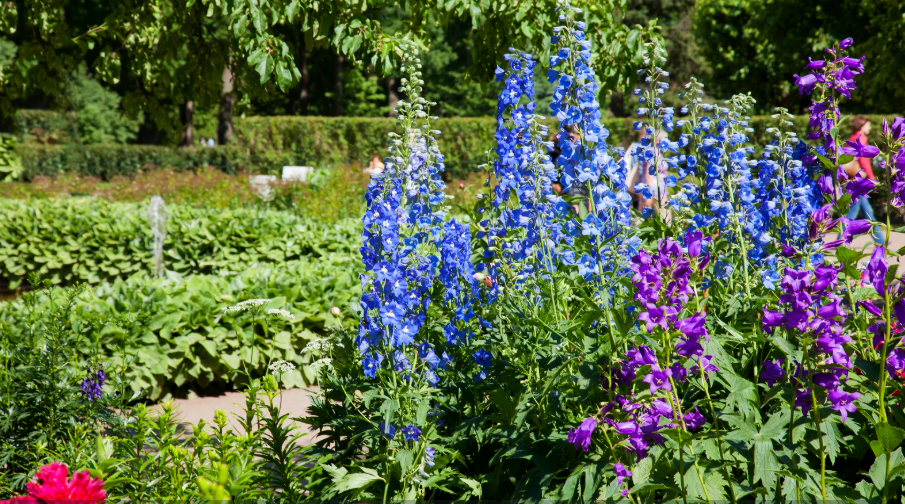
Creating a garden that exudes fragrance throughout the summer requires careful selection of aromatic herbs and strategic gardening practices. These plants not only enhance the sensory experience but also attract pollinators and add culinary versatility. Below, we explore the best herbs for year-round scent, gardening techniques to maximize fragrance, and maintenance tips to keep your garden smelling fresh.
Selecting herbs that thrive in various conditions and bloom at different times ensures a continuous burst of scents. Here are the top aromatic herbs to include in your garden:
Lavender: The quintessential aromatic herb
Lavender is a staple for its calming, floral fragrance and drought tolerance. It thrives in well-drained soil and full sun, making it ideal for containers or borders. Brushing past its purple, pink, or white blooms releases a wave of scent, perfect for patios or walkways. Prune regularly to encourage bushy growth and prevent legginess.
Rosemary: A fragrant addition to any garden
Rosemary’s piney aroma pairs well with roasted meats and vegetables. This drought-tolerant herb prefers sunny spots and well-drained soil, making it resilient in hot climates. Its needle-like leaves add texture to gardens, and it can be trained as a topiary or hedge.
Lemon balm: A citrusy delight
Lemon balm offers a fresh, citrusy scent when leaves are crushed. While invasive if planted directly in the ground, it grows well in containers to control spread. Use it in teas, salads, or as a garnish for a burst of lemon flavor.
Lesser calamint: A minty surprise
Lesser calamint, often overlooked, delivers a minty aroma and flavor. It grows in sunny areas with well-drained soil, adapting easily to new gardens. Regular harvesting encourages bushy growth, ensuring a steady supply.
Parsley: A versatile Mediterranean staple
Italian parsley adds bright, fresh notes to dishes and gardens. Rich in vitamins A, C, and K, it’s a healthy choice for salads, sauces, and garnishes. With proper care, it provides year-round foliage.

Gardening techniques to maximize fragrance
Proper placement and care ensure your herbs release their scents optimally. Here’s how to structure your garden:
Container gardening for flexibility
Growing herbs in pots allows precise control over soil and sunlight. Basil, chives, and lemon balm thrive in containers, while lavender and rosemary excel in larger pots with drainage holes. Group fragrant herbs like lemon verbena and tarragon near seating areas for maximum impact.
Companion planting for synergy
Pairing herbs with complementary scents enhances their fragrance. Rosemary and thyme work well together, while lavender and roses create a harmonious blend. Avoid planting invasive herbs like lemon balm near delicate flowers.
Strategic placement for airflow
Position fragrant herbs in breezy areas to disperse their scents. Lemon balm and mint benefit from light winds, while lavender and rosemary thrive in open spaces.
Maintenance tips for lasting fragrance
Proper care ensures your herbs remain fragrant and healthy. Here’s how to keep them thriving:
Soil and sunlight requirements
Most aromatic herbs prefer well-drained soil and full sun (6+ hours daily). Lavender and rosemary tolerate drought, but parsley and lemon balm need consistent moisture. Test soil pH: herbs like lavender prefer alkaline soil, while mint adapts to neutral conditions.
Watering practices
Water herbs deeply but infrequently to encourage deep root growth. Lavender and rosemary need minimal watering once established, while parsley and lemon balm require regular moisture. Avoid overhead watering to prevent fungal diseases.
Pruning for health and scent
Prune herbs regularly to promote bushy growth and release trapped oils. Lavender benefits from post-bloom pruning, while rosemary should be trimmed after flowering to maintain shape. Harvest parsley and lemon balm leaves frequently to encourage new growth.
Pest control
Inspect plants for pests like aphids and spider mites. Use neem oil or insecticidal soap to treat infestations. Lavender and rosemary repel pests naturally, making them ideal border plants.
Using aromatic herbs in cooking and wellness
Aromatic herbs elevate dishes and wellness routines. Here’s how to incorporate them:
Culinary applications
- Rosemary: Pair with garlic and thyme for roasted meats or vegetables.
- Lemon balm: Infuse in teas or add to salads for a citrus twist.
- Parsley: Use as a garnish or blend into sauces for fresh flavor.
Herbal teas and wellness
- Lemon balm: Steep leaves in hot water for a calming tea.
- Lavender: Add dried flowers to sachets or potpourri for a soothing scent.
- Lesser calamint: Brew leaves for a minty, caffeine-free tea.
Creating a fragrant garden requires a mix of strategic herb selection, thoughtful placement, and diligent care. By choosing lavender, rosemary, lemon balm, and lesser calamint, and employing techniques like container gardening and companion planting, you can enjoy a sensory oasis all summer. Regular pruning, proper watering, and pest management ensure your herbs remain healthy and aromatic. Whether for cooking, wellness, or pure enjoyment, these herbs transform your garden into a scented paradise.

Allan is a lifelong gardening enthusiast who still gets excited when the first seedlings pop up in spring. With a deep love for nature and a hands-in-the-soil approach, he shares practical tips, plant discoveries, and clever tricks picked up over years of digging, planting, and observing. Whether you’re a new gardener or have a shed full of tools, Allan writes like a neighbor who’s always happy to swap cuttings and stories over the fence.
You can find more about Allan’s work on Malt or connect with him on LinkedIn.


