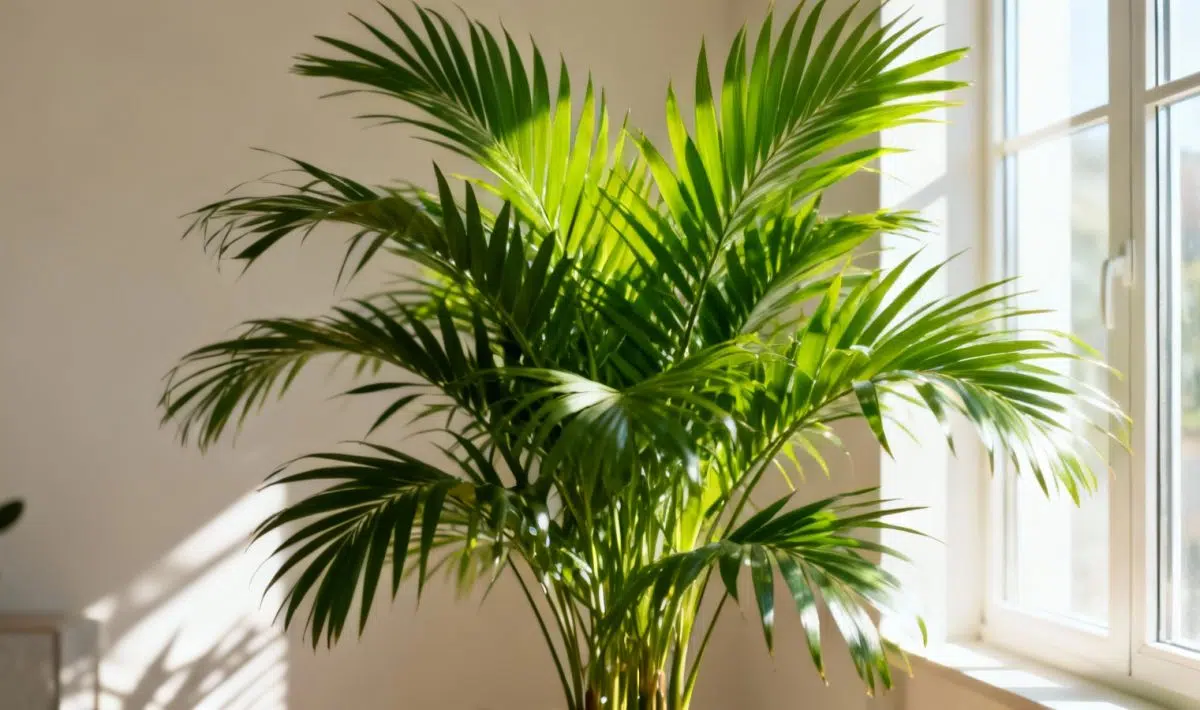
How much sunlight does cat palm need – lighting requirements and care tips
When you bring home a beautiful cat palm, the first question that comes to mind is probably how much sunlight does cat palm need to thrive in your home. These elegant plants are incredibly rewarding when you get their lighting just right, but they can be surprisingly finicky about their light requirements.
Cat palms prefer bright, indirect light that mimics their natural habitat conditions. Think of the dappled sunlight that filters through a forest canopy – that’s exactly what these plants crave in your home. Direct sunlight can actually harm your plant, causing the delicate fronds to develop brown, crispy edges that won’t recover.
The key is finding that sweet spot where your palm gets plenty of brightness without the harsh intensity of direct rays. A spot near an east-facing window often works perfectly, as it provides gentle morning light that won’t overwhelm the plant. However, if your only option is a south-facing window, simply hang a sheer curtain to filter the light.
When positioning your plant, look for areas that receive consistent illumination throughout the day. Your cat palm will thank you with lush, green growth when it gets the right amount of filtered sunlight regularly.
Signs your cat palm is getting proper light
A happy cat palm displays several telltale signs that you’ve nailed the lighting conditions. The fronds should maintain their vibrant green color and grow steadily throughout the growing season. New growth appears regularly from the center of the plant, and the overall appearance remains full and bushy.
Pay attention to the leaf texture as well – healthy fronds feel sturdy and have a slight shine to them. When your plant receives adequate indirect light, it maintains its natural graceful arching habit that makes it such a popular choice for interior decorating.
You’ll also notice that plants receiving proper illumination tend to be more resistant to common houseplant problems. They develop stronger stems and more robust root systems, which helps them better utilize water and nutrients from the pot.
Common lighting mistakes to avoid
One of the biggest mistakes plant parents make is placing their cat palm in a location that seems bright to human eyes but isn’t quite right for the plant. Remember that our perception of brightness differs significantly from what plants actually need for photosynthesis.
Avoid placing your palm directly in a window where it receives unfiltered afternoon sun. This intense light can quickly damage the delicate fronds, creating unsightly brown spots and edges that detract from the plant’s natural beauty. Similarly, avoid locations that are too dark, such as corners far from windows or rooms with only artificial lighting during the day.
Another common error is frequently moving the plant around the house. While it might seem helpful to rotate your palm between different light sources, constant relocation can stress the plant and prevent it from adapting to its environment.
Artificial lighting solutions
If your home doesn’t receive sufficient natural light, don’t worry – you can successfully grow cat palms under artificial lighting. LED grow lights have become increasingly popular and effective for houseplant care, providing the specific spectrum plants need without generating excessive heat.
Position grow lights about 12-18 inches above your palm and run them for 10-12 hours daily to supplement natural light. This approach works particularly well during winter months when daylight hours are shorter and natural light intensity decreases.
When selecting artificial lighting, look for full-spectrum options that provide both blue and red wavelengths. Much like how light requirements for kentia palm vary from other palms, your cat palm will respond best to consistent, quality artificial illumination that mimics natural sunlight patterns.
Seasonal light adjustments
Your cat palm’s lighting needs change throughout the year as natural light patterns shift. During summer months, you may need to provide more shade or move your plant slightly away from windows as the sun becomes more intense.
Winter presents the opposite challenge – you might need to move your palm closer to light sources or supplement with artificial lighting to maintain healthy growth. Don’t be surprised if growth slows during darker months, as this is a natural response to reduced light availability.
Pay attention to how your plant responds to seasonal changes and adjust accordingly. Plants that receive adequate light year-round typically maintain better overall health and are less susceptible to pest problems and diseases.
Comparing light needs with other palms
While cat palms have specific requirements, it’s helpful to understand how they compare to other popular palm varieties. For instance, sunlight needs of yellow butterfly palm differ significantly from cat palms, requiring brighter conditions to maintain their vibrant coloration.
This comparison becomes particularly relevant when you’re designing your interior plant arrangement. You wouldn’t want to place a cat palm next to plants that need full sun exposure, such as sunlight for growing pineapples or optimal sunlight for watermelons, as their lighting requirements are completely different.
Understanding these differences helps you create harmonious plant groupings where each species can thrive in their preferred light conditions without competing for optimal placement in your home.
Troubleshooting light-related problems
When your cat palm isn’t getting the right amount of light, it will communicate through various visual cues. Yellow or brown fronds often indicate too much direct sunlight, while pale, stretched growth suggests insufficient illumination.
If you notice these symptoms, gradually adjust your plant’s position rather than making dramatic changes. Plants need time to adapt to new lighting conditions, and sudden moves can cause additional stress.
Keep a simple log of your plant’s condition and any changes you make to its environment. This practice helps you identify what works best for your specific growing conditions and prevents repeating unsuccessful adjustments.
With proper attention to lighting requirements, your cat palm will reward you with years of lush, tropical beauty that enhances any interior space. Remember that finding the perfect spot might take some experimentation, but the effort invested in getting the light just right pays off handsomely in plant health and appearance.
Allan is a lifelong gardening enthusiast who still gets excited when the first seedlings pop up in spring. With a deep love for nature and a hands-in-the-soil approach, he shares practical tips, plant discoveries, and clever tricks picked up over years of digging, planting, and observing. Whether you’re a new gardener or have a shed full of tools, Allan writes like a neighbor who’s always happy to swap cuttings and stories over the fence.
You can find more about Allan’s work on Malt or connect with him on LinkedIn.