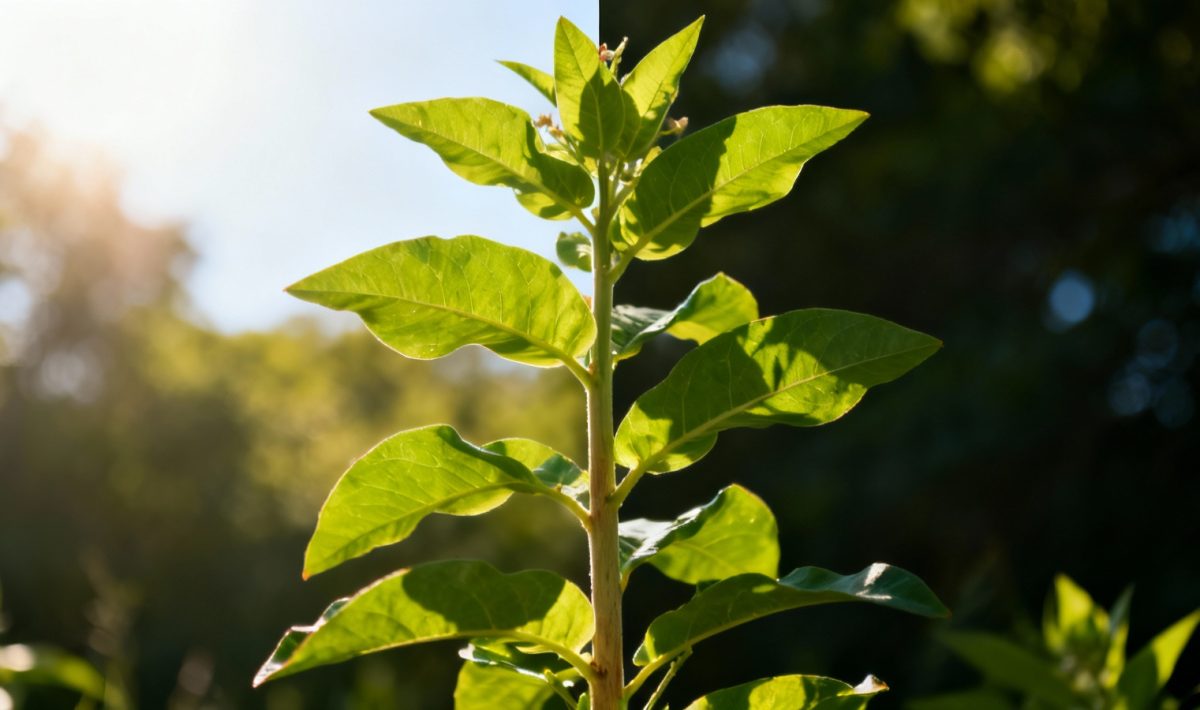
Understanding common milkweed sunlight requirements
Common milkweed (Asclepias syriaca) thrives best with plenty of sunshine, making it a fantastic choice for sunny garden spots. This native plant absolutely loves basking in full sun conditions, where it can reach its maximum potential of about 1 meter in height. However, it’s quite forgiving and can tolerate some shade without completely giving up on you.
The beauty of this flower lies in its adaptability to various light conditions. While full sun exposure delivers the best results for blooming and overall plant vigor, partial shade won’t kill your milkweed dreams. Just like other garden plants such as optimal sunlight for common columbine, understanding light requirements helps ensure success.
Research shows that even with 60% shade coverage, common milkweed maintains its height remarkably well. The main difference you’ll notice is reduced biomass – basically, your plant might be a bit less robust but still perfectly functional for attracting those precious monarch butterflies.
Ideal growing conditions for maximum flower production
For the most spectacular display of pink, fragrant flower clusters, aim for full sun exposure throughout the day. This means at least 6-8 hours of direct sunlight. Your milkweed plants will reward you with abundant blooms that butterflies and bees absolutely adore.
The soil doesn’t need to be fancy – common milkweed actually prefers average to well-draining conditions. It’s surprisingly tough and can handle poor, dry, or even compacted urban soils. This makes it perfect for those tricky garden spots where other plants might struggle.
When planted in optimal conditions, these native plants form impressive colonies through their underground rhizome system. They spread naturally, creating beautiful patches that serve as vital habitat for monarch caterpillars and provide nectar for various pollinators.
Managing partial shade situations
Don’t worry if your garden doesn’t offer perfect sun exposure all day long. Common milkweed shows remarkable tolerance to less-than-ideal light conditions. In partial shade, you’ll still get decent growth and some lovely flowers, though perhaps not quite as many.
The key is ensuring your plants get morning sun if possible. This helps with photosynthesis and overall plant health. Similar to how sunlight requirements for common hackberry vary with conditions, milkweed adapts but performs best with adequate light.
Even in shadier spots, the plant maintains its essential role in the ecosystem. Monarch butterflies will still find and use these plants for laying eggs, making every milkweed valuable regardless of its growing conditions.
Maximizing your garden’s sunlight potential
Take a walk around your garden at different times throughout the day to identify the sunniest spots. These prime locations are where your common milkweed will absolutely thrive. Look for areas that receive consistent sunlight from morning through afternoon.
Consider removing or pruning back any shrubs or trees that might be casting unnecessary shade on your milkweed patches. Sometimes a simple trim can dramatically improve light exposure for your native plants.
If you’re planning a pollinator garden, group your milkweed with other sun-loving native flowers. This creates a powerhouse combination that supports butterflies, bees, and other beneficial insects throughout the growing season.
Seasonal light considerations
Remember that sunlight patterns change throughout the year as the sun’s angle shifts. An area that receives full sun in summer might be shadier in spring and fall. Plan accordingly when choosing your planting locations.
Spring establishment is crucial for common milkweed success. Young plants need consistent light to develop strong root systems. Just as sunlight needs for common bugle affect its establishment, adequate early-season light helps milkweed get off to a strong start.
During the peak growing season, your established milkweed plants will make the most of available sunlight. They’re remarkably efficient at capturing and using light energy for growth and flower production.
Creating the perfect habitat for monarchs and pollinators
Common milkweed serves as both host plant for monarch caterpillars and nectar source for adult butterflies. Proper sunlight exposure ensures robust plant growth, which translates to better habitat quality for these incredible migrating insects.
The fragrant pink flowers appear in large, showy clusters during summer months. These blooms are absolutely magnetic to butterflies, bees, and other pollinators. Full sun exposure maximizes both flower quantity and nectar production.
Consider planting milkweed in groups rather than single specimens. Clusters of plants create more visual impact and provide better resources for wildlife. This approach mirrors successful growing strategies for other sun-loving plants like best sunlight conditions for pineapple.
Supporting monarch migration
Healthy, sun-grown milkweed plants produce the highest quality foliage for monarch caterpillars. The robust leaves from well-lit plants contain optimal nutrition levels that support proper larval development.
During migration periods, adult monarchs seek out nectar-rich flowers for fuel. Your sun-grown milkweed patches become essential refueling stations along their incredible journey. The more sunlight your plants receive, the more nectar they’ll produce.
North American monarch populations depend on widespread milkweed availability. By growing healthy plants in optimal sun conditions, you’re contributing to conservation efforts and supporting biodiversity in your local ecosystem.
Practical tips for successful milkweed gardening
Start with seeds or small plants from reputable native plant sources. Plant them in your sunniest available spots, spacing them about 18-24 inches apart to allow for natural spreading.
Water newly planted milkweed regularly during the first growing season to help establish strong root systems. Once established, these drought-tolerant plants require minimal irrigation, especially in sunny locations where they develop extensive roots.
Avoid using pesticides or herbicides near your milkweed patches. These chemicals can harm the very butterflies and beneficial insects you’re trying to attract. The natural approach works best for creating truly wildlife-friendly garden spaces.
Companion planting strategies
Pair your common milkweed with other native sun-loving plants to create diverse habitat. Purple coneflower, black-eyed Susan, and native grasses make excellent companions that share similar light requirements.
This mixed planting approach extends the blooming season and provides varied resources for different pollinators throughout the growing period. Much like planning optimal conditions for crops such as watermelon’s optimal sunlight exposure, strategic companion planting enhances overall garden success.
Consider adding some aromatic herbs like ideal sunlight for growing spearmint to your pollinator garden for additional diversity and practical benefits.
Long-term care and maintenance
Established common milkweed requires minimal maintenance when grown in appropriate sunlight conditions. The plants are incredibly self-sufficient once their root systems are well-developed.
Allow seed pods to mature and release their fluffy seeds naturally if you want the plants to spread. Alternatively, collect seeds for controlled planting in other suitable sunny locations around your property.
Cut plants back to ground level in late fall or early spring. This tidying helps prevent disease issues and makes room for fresh growth. The underground rhizomes will send up new shoots when conditions are right, creating an expanding colony over time.
Allan is a lifelong gardening enthusiast who still gets excited when the first seedlings pop up in spring. With a deep love for nature and a hands-in-the-soil approach, he shares practical tips, plant discoveries, and clever tricks picked up over years of digging, planting, and observing. Whether you’re a new gardener or have a shed full of tools, Allan writes like a neighbor who’s always happy to swap cuttings and stories over the fence.
You can find more about Allan’s work on Malt or connect with him on LinkedIn.