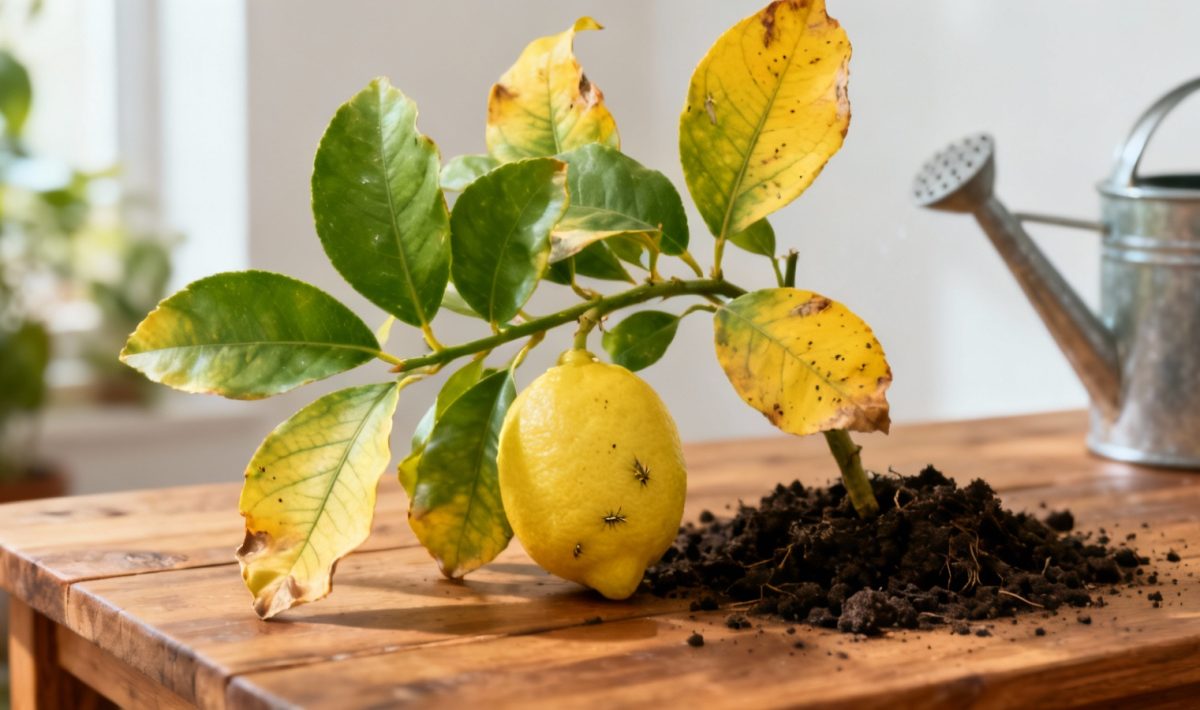
Why are my lemon leaves turning yellow – common causes and solutions
Seeing yellow leaves on your lemon tree can be concerning, but it’s actually one of the most common issues citrus growers face. This problem often signals that something in your tree’s environment needs attention. Understanding why your lemon leaves are turning yellow is the first step toward getting your citrus plant back to vibrant health.
The good news is that yellowing leaves aren’t always a death sentence for your lemon tree. Most causes are treatable once you identify the root problem. Let’s explore the main reasons behind this common issue and discover practical solutions to restore your tree’s natural green color.
Understanding the symptoms of yellowing lemon tree leaves
Before diving into solutions, it’s important to recognize the different patterns of leaf yellowing. These symptoms can tell you a lot about what’s happening with your tree. Yellow leaves might appear gradually over several weeks or show up suddenly after a environmental change.
When examining your lemon tree, look closely at where the yellowing starts. Lower leaves turning yellow first often indicates natural aging or overwatering, while yellowing between the veins suggests nutrient deficiencies. Uniform yellowing across the entire leaf typically points to watering issues or light problems.
Pay attention to any additional symptoms that accompany the yellow coloration. Wilting, leaf drop, or brown spots can provide valuable clues about the underlying cause. Similar yellowing patterns occur in other plants too, such as the reasons for yellowing honeysuckle leaves, which can help you understand this common plant response.
Natural aging vs. problematic yellowing
It’s completely normal for older leaves to turn yellow and drop off periodically. This natural process usually affects the oldest, lowest leaves on the tree. However, when multiple leaves turn yellow simultaneously or when new growth shows yellowing, that’s when you need to investigate further.
Common causes of yellow leaves on lemon trees
Watering problems
Improper watering is the number one culprit behind yellowing lemon tree leaves. Both overwatering and underwatering can cause this issue, though overwatering is more common. When roots sit in waterlogged soil, they can’t absorb nutrients properly, leading to yellow leaves and potential root rot.
Underwatering creates stress that also manifests as yellowing leaves. The tree conserves energy by dropping older foliage to focus on new growth. Check your soil moisture by inserting your finger about two inches deep – it should be slightly damp but not soggy.
Ideal watering: Deep, infrequent watering when top inch of soil is dry
Nutrient deficiencies
Lemon trees are heavy feeders that require specific nutrients to maintain healthy green foliage. Nitrogen deficiency causes older leaves to turn yellow and eventually drop off. Iron deficiency shows up as yellowing between the veins while the veins themselves remain green.
Magnesium deficiency appears as yellow blotches that start from the leaf edges and work inward. Potassium deficiency causes yellowing along leaf margins. These nutrient problems often occur in container-grown trees or in poor soil conditions.
Light and temperature stress
Lemon trees need at least six hours of direct sunlight daily. Insufficient light causes leaves to turn yellow and drop as the tree struggles to photosynthesize effectively. Similarly, sudden temperature changes or exposure to cold drafts can shock the tree into yellowing leaves.
Indoor lemon trees are particularly susceptible to light-related yellowing during winter months when daylight hours decrease. Consider supplemental grow lights if your tree isn’t getting enough natural sunlight.
Practical solutions for yellow lemon tree leaves
Fixing watering issues
Start by evaluating your current watering routine and soil drainage. If you suspect overwatering, allow the soil to dry out more between waterings. Ensure your pot has adequate drainage holes and consider repotting with fresh, well-draining citrus soil mix.
For underwatered trees, gradually increase watering frequency rather than giving one massive drink. Water slowly and deeply, allowing the soil to absorb moisture thoroughly. Mulching around the base helps retain soil moisture and regulate temperature.
✅ Quick Checklist
Is the soil too wet or too dry?
Is the plant getting 6+ hours of sunlight daily?
Have you fertilized in the last 2 months?
Are there visible pests under the leaves?
Does the pot have adequate drainage?
🔥 FREE
📱
Diagnose your plant in one click!
AI instant diagnosis • Personalized solutions • 50,000+ species
Feed your lemon tree with a balanced citrus fertilizer that contains essential micronutrients. Look for fertilizers with an NPK ratio around 2-1-1 plus iron, magnesium, and other trace elements. Apply fertilizer every 4-6 weeks during the growing season.
For quick results with iron deficiency, use chelated iron supplements that can be absorbed rapidly. Epsom salt provides a fast magnesium boost – dissolve one tablespoon in a gallon of water and apply monthly. Always water before and after fertilizing to prevent root burn.
Improving growing conditions
Move your lemon tree to a location with more direct sunlight if possible. South-facing windows work best for indoor trees. Outdoors, ensure the tree isn’t shaded by larger plants or structures during peak sun hours.
Maintain stable temperatures between 55-85°F for optimal health. Protect outdoor trees from frost and bring potted trees indoors when temperatures drop below 50°F. Just as with causes of yellowing lemongrass leaves, environmental stability plays a crucial role in preventing yellowing issues.
Pest and disease management
Check regularly for common pests like aphids, scale insects, and spider mites that can cause leaf yellowing. These tiny invaders suck plant juices, weakening the tree and causing stress symptoms. Use insecticidal soap or neem oil for natural pest control.
Fungal infections from poor air circulation or excessive moisture can also cause yellowing. Improve ventilation around your tree and avoid overhead watering to prevent fungal issues. Remove any affected leaves to prevent spread of infection.
Preventing future yellowing issues
Consistent care is the key to preventing yellow leaves on your lemon tree. Establish a regular watering schedule based on soil moisture rather than calendar dates. Monitor your tree weekly for any changes in leaf color or overall health.
Keep a simple plant care journal noting when you water, fertilize, and observe any changes. This helps you identify patterns and catch problems early. Remember that prevention is always easier than treatment when it comes to plant health.
With proper attention to watering, nutrition, and environmental conditions, your lemon tree should reward you with healthy green foliage and eventually delicious fruit. The harvest from a well-cared-for tree makes all the effort worthwhile, and healthy leaves are essential for productive fruiting.
Allan is a lifelong gardening enthusiast who still gets excited when the first seedlings pop up in spring. With a deep love for nature and a hands-in-the-soil approach, he shares practical tips, plant discoveries, and clever tricks picked up over years of digging, planting, and observing. Whether you’re a new gardener or have a shed full of tools, Allan writes like a neighbor who’s always happy to swap cuttings and stories over the fence.
You can find more about Allan’s work on Malt or connect with him on LinkedIn.