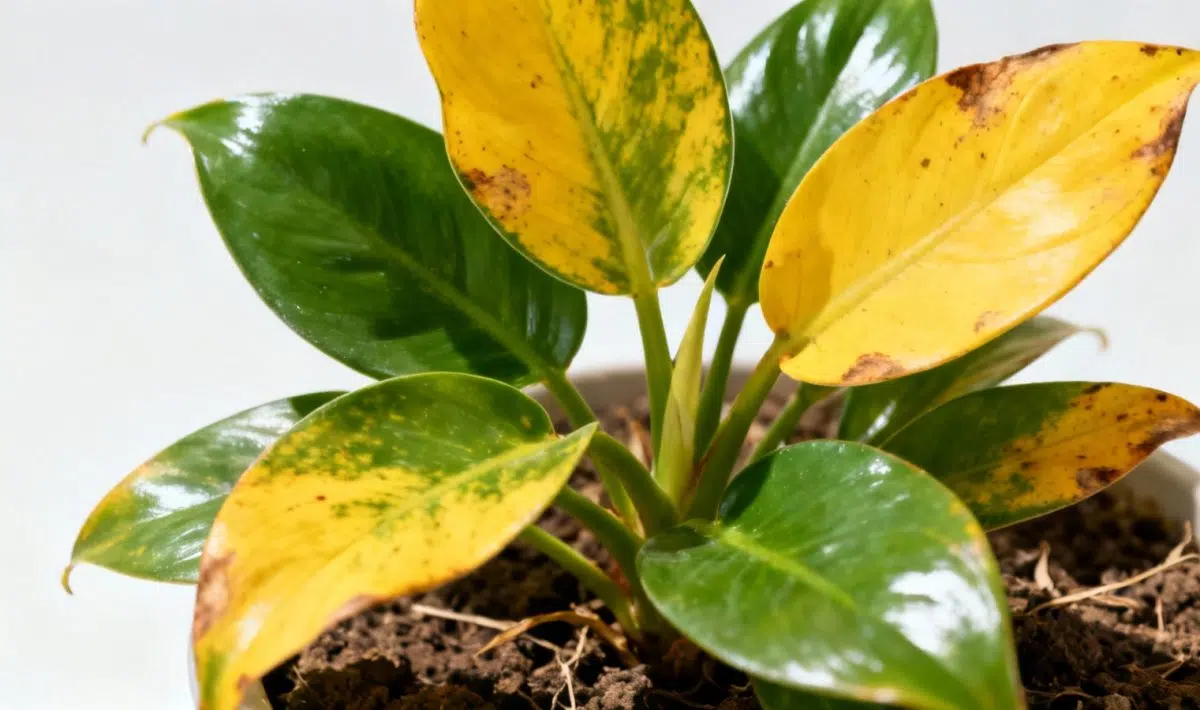
Why are my zanzibar gem leaves turning yellow – causes and solutions
If you’ve noticed your beloved Zanzibar gem developing yellow leaves, you’re not alone. This common concern affects many plant parents, but the good news is that most cases are completely fixable with the right approach. Your ZZ plant is actually quite forgiving, and understanding what causes this yellowing can help you get it back to its vibrant green state.
The Zanzibar gem, scientifically known as Zamioculcas zamiifolia, is typically a resilient tropical plant that thrives in various home conditions. However, when stress factors come into play, yellowing leaves are often the first sign that something needs your attention.
Before we dive into the causes, it’s important to understand what makes your ZZ plant tick. This stunning tropical specimen originates from Eastern Africa, where it has evolved to survive in challenging conditions. The plant stores water in its thick stems and glossy leaves, making it incredibly drought-tolerant.
Your Zanzibar gem prefers bright, indirect light and well-draining soil. It can tolerate lower light conditions better than most houseplants, but it still needs some natural illumination to maintain its lush appearance. The plant grows slowly but steadily when given proper care, and it can reach impressive heights in the right environment.
✅ Quick Checklist
Is the soil too wet or too dry?
Is the plant getting 6+ hours of sunlight daily?
Have you fertilized in the last 2 months?
Are there visible pests under the leaves?
Does the pot have adequate drainage?
🔥 FREE
📱
Diagnose your plant in one click!
AI instant diagnosis • Personalized solutions • 50,000+ species
The most frequent reason behind yellowing Zanzibar gem leaves is excessive watering. Your plant’s roots are designed to store water efficiently, and when they’re constantly wet, they can develop root rot. This condition prevents the roots from absorbing nutrients properly, leading to yellow leaves that eventually drop off.
You can identify overwatering by checking the soil moisture level. If the soil feels consistently wet or if you notice a musty smell coming from the pot, you’re likely dealing with this issue. The yellowing typically starts with the lower, older leaves and progresses upward if left untreated.
Underwatering stress
While less common than overwatering, drought stress can also cause your ZZ plant’s leaves to turn yellow. When the soil becomes bone dry for extended periods, the plant begins to sacrifice older leaves to conserve water for new growth. This natural process helps the plant survive, but it’s a clear signal that you need to adjust your watering routine.
Light-related issues
Your Zanzibar gem needs the right balance of light to maintain its vibrant green color. Too little light can cause the leaves to lose their natural pigmentation and turn yellow, while excessive direct sunlight can scorch the leaves, creating yellow or brown patches. The best location is near an east or north-facing window where the plant can receive bright, filtered light throughout the day.
Nutrient deficiencies
Like all plants, your ZZ plant requires essential nutrients to maintain healthy foliage. A lack of nitrogen, iron, or other key minerals can manifest as yellowing leaves. This typically happens when the plant has been in the same soil for an extended period without fertilization, or when the potting mix lacks proper nutrients from the start.
How to fix yellowing leaves
Adjusting your watering schedule
The key to proper ZZ plant care is finding the right watering rhythm. Allow the soil to dry out completely between waterings, which usually means watering every 2-3 weeks during the growing season. In winter, you can extend this to once a month or even less frequently.
When you do water, do it thoroughly until water drains from the bottom holes. This ensures the entire root system gets hydrated while preventing salt buildup in the soil. Always empty the drainage tray after 30 minutes to prevent the roots from sitting in standing water.
During the growing season (spring through early fall), feed your Zanzibar gem with a balanced liquid fertilizer diluted to half strength. Apply this once a month to provide the nutrients your plant needs for healthy growth. Avoid fertilizing during winter when the plant’s growth naturally slows down.
If you suspect nutrient deficiency is the cause, consider repotting your plant with fresh, high-quality potting mix. This gives your plant access to a full range of nutrients while refreshing its growing environment.
✅ Quick Checklist
Is the soil too wet or too dry?
Is the plant getting 6+ hours of sunlight daily?
Have you fertilized in the last 2 months?
Are there visible pests under the leaves?
Does the pot have adequate drainage?
🔥 FREE
📱
Diagnose your plant in one click!
AI instant diagnosis • Personalized solutions • 50,000+ species
Your container choice plays a crucial role in preventing future yellowing issues. Select a pot with multiple drainage holes that’s just slightly larger than the current root system. Terra cotta pots are excellent choices because they allow excess moisture to evaporate through the porous material.
Use a well-draining potting mix designed for succulents or cacti, or create your own by mixing regular potting soil with perlite and coarse sand. This combination ensures proper drainage while still retaining enough moisture for the plant’s needs.
Environmental monitoring
Keep your ZZ plant in a stable environment with temperatures between 65-75°F (18-24°C). Avoid placing it near heating vents, air conditioning units, or drafty windows where temperature fluctuations can stress the plant. The yellowing pattern you might observe is similar to what happens with causes of yellowing snake plant leaves when environmental stress occurs.
Maintain moderate humidity levels around 40-50% if possible, though your Zanzibar gem can tolerate lower humidity better than most tropical plants. During dry winter months, you can place a humidifier nearby or group it with other plants to create a more favorable microclimate.
When to remove yellow leaves
Once a leaf turns completely yellow, it won’t recover its green color. It’s best to remove these leaves promptly using clean, sharp scissors or pruning shears. Cut the stem close to the base of the plant to prevent any potential disease issues and to redirect the plant’s energy toward healthy growth.
Don’t worry if you need to remove several yellow leaves at once – your ZZ plant is remarkably resilient and will bounce back with proper care. Focus on addressing the underlying cause rather than just treating the symptoms, and you’ll see new, healthy growth emerging from the base of the plant.
Remember that some yellowing is completely natural as your plant ages and replaces older leaves with new ones. The key is distinguishing between normal leaf turnover and stress-related yellowing that requires intervention. With patience and consistent care, your Zanzibar gem will return to its former glory and continue bringing that perfect tropical touch to your home for years to come.
Allan is a lifelong gardening enthusiast who still gets excited when the first seedlings pop up in spring. With a deep love for nature and a hands-in-the-soil approach, he shares practical tips, plant discoveries, and clever tricks picked up over years of digging, planting, and observing. Whether you’re a new gardener or have a shed full of tools, Allan writes like a neighbor who’s always happy to swap cuttings and stories over the fence.
You can find more about Allan’s work on Malt or connect with him on LinkedIn.