
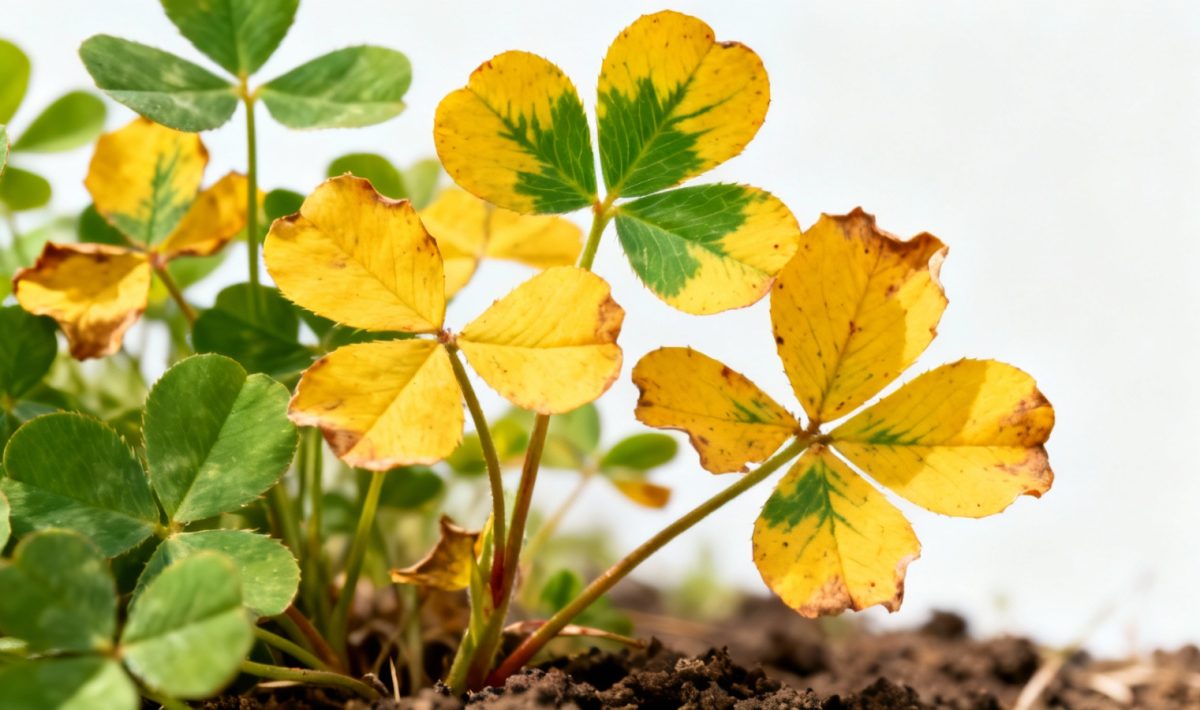
When you notice your red clover leaves turning yellow, it can be quite concerning for any gardener. This common issue affects many crop growers and plant enthusiasts who rely on clover for soil improvement and livestock feed. Understanding the reasons behind this yellowing will help you take the right steps to restore your clover to vibrant health.
Red clover serves as an excellent cover crop and nitrogen-fixing plant that benefits your entire garden ecosystem. However, like all plants, it can experience stress that manifests as yellowing leaves. The good news is that most causes are treatable with proper care and attention.
Common causes of yellow clover leaves
Several factors can trigger yellowing in your red clover plants, and identifying the specific cause is crucial for effective treatment. The most frequent culprits include water stress, nutrient deficiencies, and environmental conditions that affect plant growth.
Soil drainage problems
Poor drainage is one of the primary reasons why clover leaves turn yellow. When water accumulates around the roots, it prevents proper oxygen circulation and can lead to root rot. Red clover prefers well-draining soil that allows water to move through without creating waterlogged conditions.
You can test your soil drainage by digging a hole about 12 inches deep and filling it with water. If the water doesn’t drain within 24 hours, your soil has drainage issues. Clay-heavy soils are particularly prone to this problem and may require amendments like sand or organic matter to improve water flow.
✅ Quick Checklist
- Is the soil too wet or too dry?
- Is the plant getting 6+ hours of sunlight daily?
- Have you fertilized in the last 2 months?
- Are there visible pests under the leaves?
- Does the pot have adequate drainage?
Diagnose your plant in one click!
AI instant diagnosis • Personalized solutions • 50,000+ species
Nutrient deficiencies affecting growth
Nitrogen deficiency often causes yellowing that starts with older leaves before moving to newer growth. Ironically, while red clover fixes its own nitrogen through root nodules, young plants or those in poor soil may still experience this deficiency. Potassium and magnesium deficiencies can also cause yellowing patterns that are distinctive to each nutrient.
Magnesium deficiency typically shows as yellowing between leaf veins while the veins remain green. This creates a distinctive pattern that’s easy to identify. Potassium deficiency usually affects leaf edges first, causing them to yellow and then brown before the yellowing spreads inward.
Pest and disease issues
Various pests and diseases can cause yellowing in red clover plants. Aphids, spider mites, and other sucking insects can weaken plants and cause leaf discoloration. Fungal diseases like root rot, leaf spot, and powdery mildew also contribute to yellowing symptoms.
Regular inspection of your plants will help you catch these issues early. Look under leaves for small insects or webbing, and check for unusual spots or fuzzy growth on leaf surfaces. Early detection makes treatment much more effective and can prevent the spread to other plants in your crop.
Environmental factors that cause yellowing
Temperature stress, both hot and cold, can trigger yellowing in red clover. During extreme heat, plants may shut down some functions to conserve energy, leading to leaf yellowing. Similarly, unexpected cold snaps can damage leaf tissue and cause discoloration.
Sunlight plays a crucial role in plant health, and too much or too little can affect your clover. While red clover tolerates some shade, insufficient light can cause weak growth and yellowing. Conversely, intense afternoon sun during hot weather can scorch leaves and cause yellowing.
Water stress from both drought and overwatering creates similar yellowing symptoms, making diagnosis challenging. Plants use yellowing as a signal that they’re experiencing stress and need attention. Similar issues occur with other plants, as seen with Japanese honeysuckle leaf discoloration causes, where environmental stress plays a major role.
How to fix yellowing red clover leaves
Once you’ve identified the cause, taking prompt action can save your clover crop and prevent further damage. The approach will depend on the specific issue, but most solutions involve improving growing conditions and providing proper care.
Improving soil conditions
For drainage problems, amend heavy clay soil with compost, sand, or perlite to improve water movement. Creating raised beds can also help with drainage while providing better control over soil quality. If your soil drains too quickly, adding organic matter like compost will help retain moisture.
Testing your soil pH is essential, as red clover prefers slightly acidic to neutral conditions (pH 6.0-7.0). If your soil is too acidic, add lime to raise the pH. For alkaline soils, sulfur or organic matter can help lower the pH to optimal levels.
Addressing nutrient deficiencies
Apply a balanced fertilizer if you suspect multiple nutrient deficiencies, but avoid over-fertilizing with nitrogen since clover fixes its own. For specific deficiencies, use targeted solutions: Epsom salt for magnesium, wood ash or potassium sulfate for potassium deficiency.
Organic amendments like compost provide slow-release nutrients and improve soil structure. This approach is more sustainable and less likely to cause nutrient imbalances that can harm beneficial soil microorganisms.
Managing pests and diseases
For pest control, start with the least toxic options like insecticidal soap or neem oil. These treatments are effective against most soft-bodied insects while being gentle on beneficial insects. Remove heavily infested plants to prevent spread to healthy clover.
Disease management often involves improving air circulation around plants and avoiding overhead watering. Water at soil level to keep leaves dry, and space plants appropriately to reduce humidity that promotes fungal growth. This approach is effective for many plant species, including addressing reasons for pomegranate leaf yellowing where similar principles apply.
✅ Quick Checklist
- Is the soil too wet or too dry?
- Is the plant getting 6+ hours of sunlight daily?
- Have you fertilized in the last 2 months?
- Are there visible pests under the leaves?
- Does the pot have adequate drainage?
Diagnose your plant in one click!
AI instant diagnosis • Personalized solutions • 50,000+ species
Prevention strategies for healthy clover
Preventing yellowing is always easier than treating it after it occurs. Establishing good growing practices from the start will keep your red clover healthy throughout the growing season and reduce the likelihood of stress-related yellowing.
Choose the right planting location with adequate sunlight and good air circulation. Red clover performs best with at least 6 hours of direct sunlight daily. Avoid low-lying areas where water accumulates or spots with poor air movement that can promote disease.
Proper spacing between plants ensures good air circulation and reduces competition for nutrients and water. Plant red clover at the recommended density for your specific variety and intended use, whether for cover crop, forage, or soil improvement.
Seasonal care considerations
During the growing season, monitor soil moisture regularly and water deeply but less frequently to encourage deep root development. This makes plants more resilient to drought stress and reduces yellowing from water-related issues.
Fall preparation is crucial for perennial red clover. Avoid late-season fertilization that promotes tender growth vulnerable to winter damage. Instead, focus on ensuring plants enter dormancy in good health with adequate root reserves.
The benefits of healthy red clover
Maintaining healthy red clover provides numerous benefits beyond just avoiding yellowing. This nitrogen-fixing crop improves soil fertility for future plants while providing excellent ground cover that suppresses weeds and prevents soil erosion.
Red clover flowers attract beneficial insects like bees and butterflies, supporting garden biodiversity. The deep taproot also helps break up compacted soil layers, improving soil structure for other crops you plan to grow in the same area.
By understanding why your red clover leaves turn yellow and taking appropriate action, you can maintain a thriving crop that benefits your entire garden ecosystem. Remember that early intervention is key to successful treatment, so regular monitoring of your plants will help you catch issues before they become serious problems.

Allan is a lifelong gardening enthusiast who still gets excited when the first seedlings pop up in spring. With a deep love for nature and a hands-in-the-soil approach, he shares practical tips, plant discoveries, and clever tricks picked up over years of digging, planting, and observing. Whether you’re a new gardener or have a shed full of tools, Allan writes like a neighbor who’s always happy to swap cuttings and stories over the fence.
You can find more about Allan’s work on Malt or connect with him on LinkedIn.


