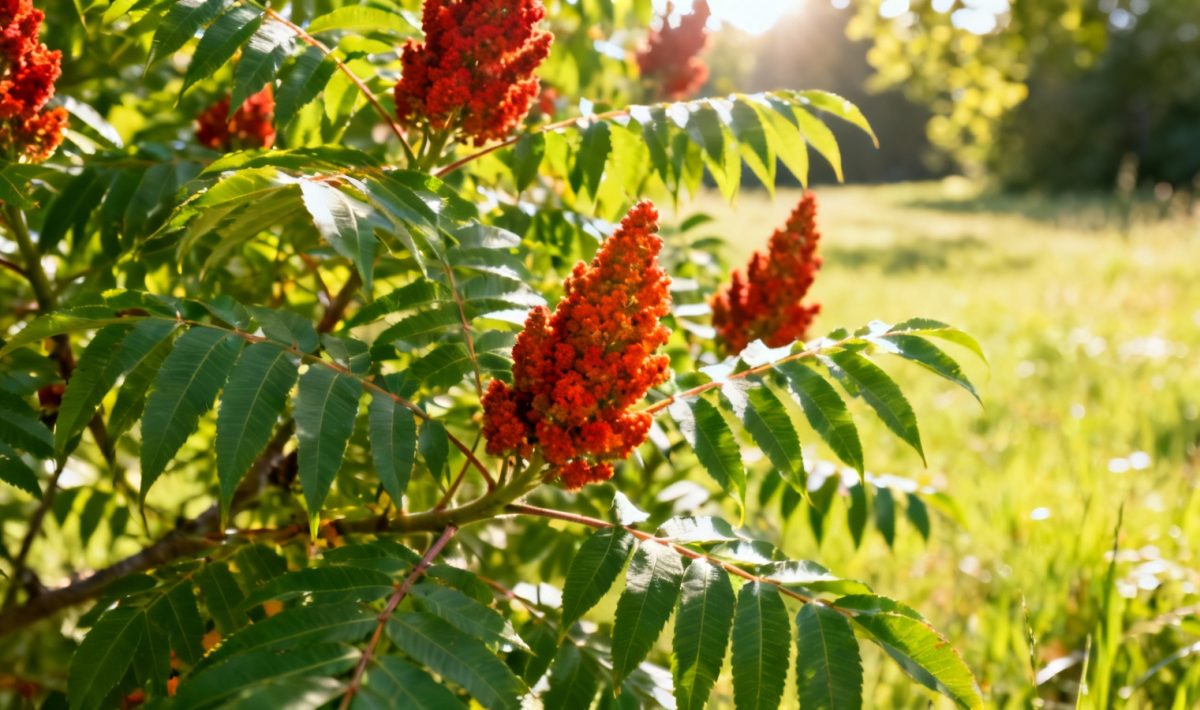
When planning your garden with staghorn sumac, understanding how much sunlight this remarkable plant needs becomes crucial for success. This deciduous shrub, scientifically known as Rhus typhina, has captured gardeners’ hearts with its stunning autumn feuillage and vibrant rouge clusters of seeds that persist through winter months.
Staghorn sumac thrives best in full sun conditions, requiring at least 6 hours of direct sunlight daily for optimal growth. However, this adaptable plant can tolerate partial shade with 3-6 hours of daily sun exposure. The quality of your planting site’s sunlight directly impacts the plant’s vigor, flowering capacity, and the brilliant fall colors that make this arbre so desirable.
For those considering where to source quality graines, choosing seeds from reputable suppliers ensures better germination rates and healthier plants. Many online retailers offer competitive prix with livraison gratuite and sécurisés paiements options for your convenience.
Optimal light conditions for staghorn sumac
The amount of sunlight your staghorn sumac receives significantly influences its overall health and appearance. In full sun locations, plants develop dense, robust growth with abundant flowering and seed production. The intense sunlight promotes the development of the characteristic fuzzy stems that give this plant its common name.
Partial shade conditions, while acceptable, should provide at least 3-4 hours of morning sunlight. This exposure pattern works particularly well in urban environments where buildings may create intermittent shade throughout the day. Similar to how sunlight requirements for growing pineapples vary by climate, staghorn sumac adapts to different light levels while maintaining its ornamental value.
Plants grown with insufficient sunlight often become leggy and produce fewer of the dramatic red seed clusters. The feuillage may also lack the intense autumn colors that make this species a standout choice for landscape design.
Soil and planting considerations
Beyond sunlight, the sol quality plays a vital role in your staghorn sumac’s success. This hardy plant tolerates various soil types, from sandy loam to clay, as long as drainage remains adequate. Poor drainage can lead to root problems regardless of perfect sunlight exposure.
When preparing your planting site, consider the mature size of your staghorn sumac. These plants can reach 20-25 feet in height and spread, requiring adequate space for full development. Much like understanding ideal sunlight for watermelon plants, proper spacing ensures each plant receives its required light without competition from neighbors.
The choix of high-quality seeds or young plants from nurseries with supérieure ratings ensures better establishment success. Look for suppliers offering detailed description of their growing methods and contenu quality standards.
Germination and early care
Staghorn sumac seeds require specific conditions for successful germination. Cold stratification for 60-90 days improves germination rates significantly. This process mimics natural winter conditions that break seed dormancy in spring.
Young plants need consistent moisture during their first growing season while establishing root systems. However, avoid overwatering, as soggy conditions can damage developing roots. During this establishment period, ensure plants receive their full sunlight requirements without stress from drought or excessive moisture.
For gardeners growing herbs alongside ornamental plants, understanding different light needs helps with garden planning. Just as sunlight needs for spearmint growth differ from woody plants, creating microclimates in your garden accommodates various plant requirements.
Troubleshooting common light-related issues
Insufficient sunlight creates several recognizable problems in staghorn sumac. Plants may develop thin, weak branches that bend easily under wind or snow loads. The characteristic dense branching pattern becomes sparse, reducing the plant’s ornamental value.
Flowering and seed production decline dramatically in shaded conditions. Since the rouge seed clusters provide winter interest and food for wildlife, reduced sunlight impacts both aesthetic and ecological benefits. Additionally, fall color intensity diminishes significantly without adequate summer sun exposure.
Indoor plant enthusiasts often wonder about light requirements for houseplants compared to outdoor specimens. While staghorn sumac isn’t suitable for indoor growing, understanding concepts like those needed for optimal light conditions for satin pothos helps develop general plant care knowledge.
Seasonal considerations and maintenance
Staghorn sumac’s sunlight needs remain relatively constant throughout the growing season, but seasonal changes affect how you manage light exposure. In spring, emerging leaves benefit from gentle morning sun that gradually increases as foliage matures.
Summer months require full sun exposure to promote vigorous growth and prepare the plant for autumn color development. The intense summer sunlight also helps harden plant tissues for winter survival in colder climates.
Fall brings the spectacular color show that makes staghorn sumac famous. The brilliant reds, oranges, and yellows develop most intensely when plants receive consistent sunlight throughout the growing season. Understanding perennial light needs, similar to learning about required sunlight for shasta daisies, helps create stunning seasonal displays.
Purchasing and planting recommendations
When selecting staghorn sumac for your landscape, consider purchasing from nurseries that provide detailed growing information and guarantee plant quality. Many suppliers now offer online ordering with competitive prix and convenient livraison options.
Look for plants grown in conditions similar to your intended planting site. Nursery-grown specimens adapted to full sun conditions transplant more successfully than those grown in shadier environments. Quality graines should come with germination testing results and storage recommendations.
For indoor gardening enthusiasts expanding to outdoor spaces, the transition involves understanding different plant needs. While houseplants like those requiring specific conditions similar to sunlight requirements for spider plants need controlled environments, staghorn sumac thrives in natural outdoor conditions.
Consider the long-term commitment when adding staghorn sumac to your landscape. These plants live for decades with proper care, making initial investment in quality plants or seeds worthwhile. Choose suppliers offering sécurisés payment options and clear return policies for added peace of mind.
With proper sunlight exposure and basic care, staghorn sumac becomes a low-maintenance addition that provides year-round interest through its distinctive architecture, seasonal color changes, and wildlife value. The initial attention to light requirements pays dividends in decades of garden enjoyment.
Allan is a lifelong gardening enthusiast who still gets excited when the first seedlings pop up in spring. With a deep love for nature and a hands-in-the-soil approach, he shares practical tips, plant discoveries, and clever tricks picked up over years of digging, planting, and observing. Whether you’re a new gardener or have a shed full of tools, Allan writes like a neighbor who’s always happy to swap cuttings and stories over the fence.
You can find more about Allan’s work on Malt or connect with him on LinkedIn.