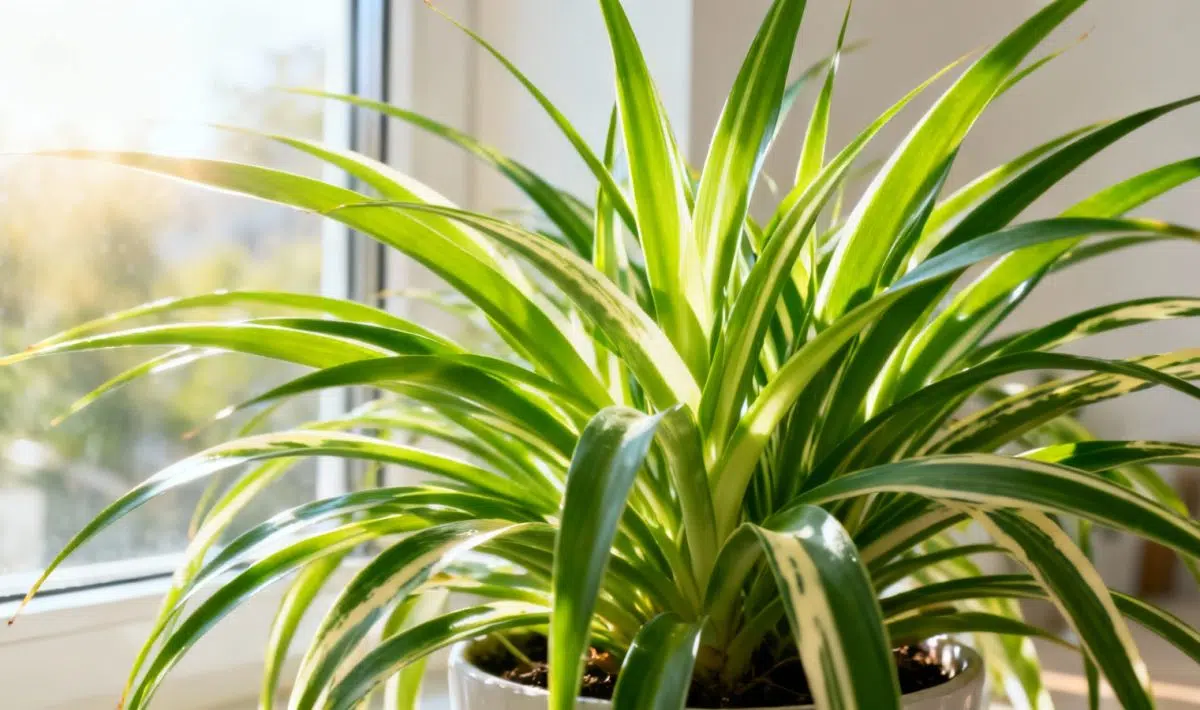
How much sunlight does spider plant need for healthy growth
Spider plants are among the most beloved houseplants, and for good reason. These resilient green beauties can adapt to various light conditions, making them perfect for beginners and seasoned plant enthusiasts alike. However, understanding exactly how much sunlight your spider plant needs will make the difference between a surviving plant and a thriving one.
The spider plant (Chlorophytum comosum) naturally thrives in bright indirect light. This means they love plenty of illumination without the harsh intensity of direct sunlight hitting their leaves. Think of the dappled light you’d find under a tree canopy – that’s the sweet spot for these plants.
While spider plants are famously tolerant of low light conditions, they truly shine when given medium to bright indirect light. In these optimal conditions, you can expect vibrant green foliage with crisp white stripes, and those charming little plantlets (or “spiderettes”) that dangle from the mother plant like nature’s own decorations.
Ideal lighting conditions for optimal growth
Bright indirect light: the golden standard
Your spider plant will be happiest near an east or west-facing window where it can soak up plenty of bright, filtered light throughout the day. This positioning provides the perfect balance – enough energy for robust growth without the risk of leaf burn that comes with direct afternoon sun.
In bright indirect light, spider plants develop their characteristic arching leaves and produce those delightful baby plants that make propagation such a joy. The humidity levels in these spots are often ideal too, especially if you’re near a window where natural moisture can help create the perfect microclimate.
Can spider plants handle direct sunlight?
Here’s where things get interesting – spider plants can actually tolerate some direct sunlight, but only in small doses. A few hours of gentle morning sun won’t hurt them, and can even encourage more vibrant coloration. However, intense midday sun will quickly scorch those beautiful leaves, turning them brown and crispy.
If your only bright spot receives direct sunlight, try using a sheer curtain to filter the light, or position your plant a few feet back from the window. This creates that perfect bright indirect environment your spider plant craves. Just like understanding the sunlight needs of ghost plants, each species has its own preferences for light intensity.
Low light survival vs. thriving
One of the reasons spider plants are so popular is their ability to survive in lower light conditions. But there’s a significant difference between surviving and thriving. In low light, your spider plant will grow more slowly, the leaves may appear paler, and you’re less likely to see those adorable plantlets develop.
If low light is your only option, don’t despair. Your spider plant will adapt, though you’ll need to adjust your watering schedule accordingly. Plants in low light use less water and dry out more slowly, so be careful not to overwater. The soil should dry out between waterings, regardless of light conditions.
Consider rotating your plant weekly to ensure all sides receive equal light exposure. This prevents the plant from leaning dramatically toward the light source and helps maintain that attractive, symmetrical shape spider plants are known for.
Maximizing light in your space
Creative solutions for better lighting
Not everyone has the perfect window for their spider plant, but there are clever ways to work with what you have. Mirrors can reflect natural light and brighten up darker corners – place one strategically to bounce light toward your plant’s location.
Light-colored walls and surfaces also help reflect available light, making the most of whatever natural illumination you have. If you’re growing other plants nearby, consider their needs too – similar to how rattlesnake plant sunlight requirements can complement your indoor garden planning.
For those with limited natural light, grow lights can be a game-changer. LED grow lights are energy-efficient and can provide the bright light your spider plant needs to flourish. Position them about 12-18 inches above your plant for the best results.
Seasonal light adjustments
Remember that light conditions change throughout the year. Your spider plant might receive perfect bright indirect light in spring and summer, but come winter, that same spot might become quite dim. Be prepared to move your plant closer to windows during darker months, or supplement with artificial lighting.
During the growing season (spring and summer), spider plants are particularly hungry for light. This is when they’ll produce the most growth and develop new plantlets. Just as outdoor crops like those detailed in guides about pineapple growth and sunlight or optimal sunlight for watermelon have seasonal needs, your houseplants also respond to changing light availability.
Signs your spider plant needs more light
Your spider plant will tell you if it’s not getting enough light. Watch for these telltale signs: pale or yellowing leaves, leggy growth with long spaces between leaves, and a lack of those characteristic baby plants. The beautiful white stripes might also fade, giving the plant a washed-out appearance.
If you notice any of these symptoms, gradually move your plant to a brighter location. Don’t shock it with a sudden change – plants need time to adjust to new light conditions, just like how herbs such as those covered in spearmint’s sunlight requirements need gradual transitions.
Balancing light with other care factors
While light is crucial, it works hand in hand with other care aspects. In brighter conditions, your spider plant will need more frequent watering as it grows more actively and the soil dries faster. The increased light also means the plant can better process nutrients, so you might need to fertilize more regularly during the growing season.
Humidity becomes more important in bright light conditions too. Spider plants appreciate moderate humidity levels, and bright light can sometimes create drier air conditions. A simple pebble tray filled with water near your plant can help maintain ideal moisture levels in the air.
Temperature stability matters as well. While spider plants are adaptable, dramatic temperature swings near bright windows (hot during the day, cool at night) can stress the plant. Try to maintain consistent temperatures between 65-75°F for the best results.
Understanding how much sunlight your spider plant needs is the foundation of successful care, but it’s the combination of proper light, appropriate watering, and stable conditions that will help your plant truly flourish. With the right balance, you’ll be rewarded with a lush, healthy plant that produces plenty of those charming baby spiders for sharing with friends and expanding your green collection.
Allan is a lifelong gardening enthusiast who still gets excited when the first seedlings pop up in spring. With a deep love for nature and a hands-in-the-soil approach, he shares practical tips, plant discoveries, and clever tricks picked up over years of digging, planting, and observing. Whether you’re a new gardener or have a shed full of tools, Allan writes like a neighbor who’s always happy to swap cuttings and stories over the fence.
You can find more about Allan’s work on Malt or connect with him on LinkedIn.