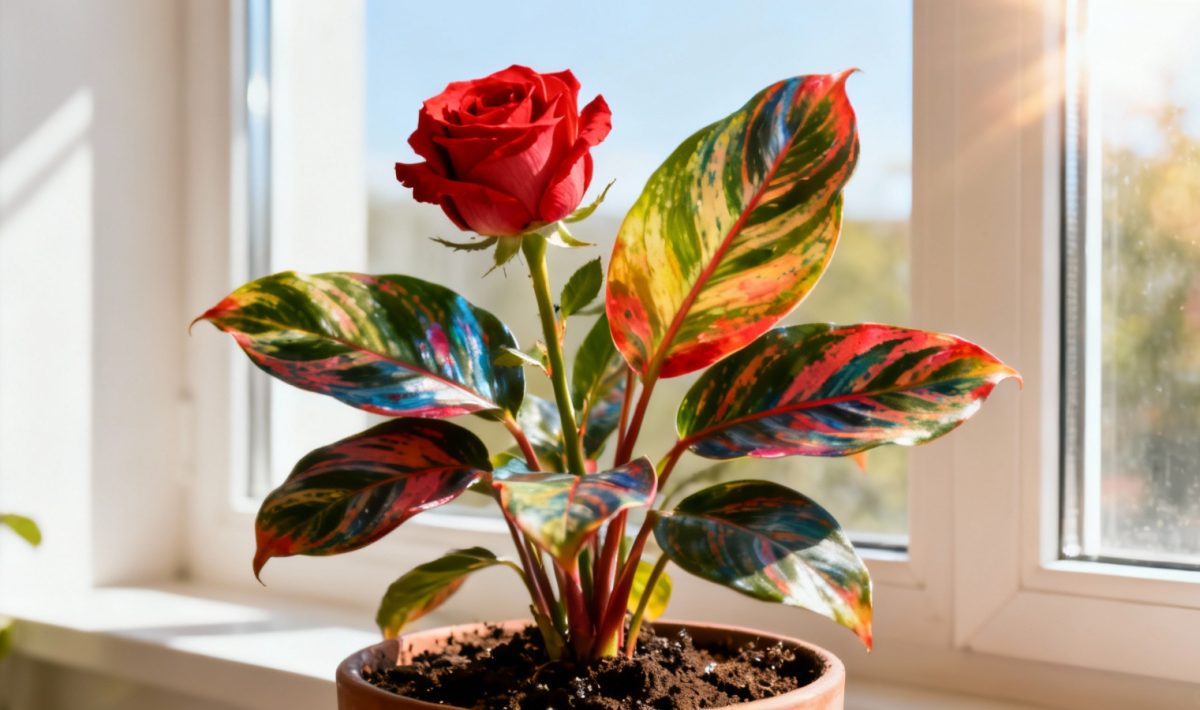
Understanding your rose-painted calathea’s light requirements
Your rose-painted calathea is quite particular about its lighting needs, and honestly, that’s what makes it such a rewarding plant to grow once you get it right. This stunning calathea variety thrives in bright, indirect light that mimics the dappled sunlight of its native tropical forest floor. The key is finding that sweet spot where your plant gets enough light to maintain those gorgeous pink patterns without suffering from harsh direct rays.
The rose-painted calathea needs approximately 5,000 to 10,000 lux of indirect light daily to flourish. This might sound technical, but in practical terms, it means placing your plant in a well-lit room where it can soak up plenty of ambient light without direct sun hitting its delicate leaves. Think of it as creating a bright, airy environment that feels naturally luminous throughout the day.
Why indirect light is essential for your calathea
Direct sunlight is your rose-painted calathea’s biggest enemy, and I can’t stress this enough. Those beautiful pink markings that make this plant so special will quickly fade and develop unsightly brown patches when exposed to harsh sun rays. The leaves are simply too delicate to handle the intensity of direct light, much like how your skin would react to prolonged sun exposure without protection.
Indirect light allows your plant to photosynthesize effectively while protecting those stunning leaf patterns. When your calathea receives the right type of light, you’ll notice the pink tones remain vibrant, and the green sections stay a rich, deep color. Similarly, when growing other light-sensitive plants, understanding specific needs is crucial – for instance, learning about sunlight requirements for eggplant growth shows how different plants have varying tolerance levels.
The humidity around your plant will also benefit from proper light conditions. When your calathea isn’t stressed by too much direct sun, it can maintain better moisture levels in its leaves, which translates to that glossy, healthy appearance we all love to see.
Finding the perfect spot in your home
North-facing windows are absolutely perfect for your rose-painted calathea because they provide consistent, gentle light throughout the day. East-facing windows work wonderfully too, offering that soft morning sun that won’t overwhelm your plant. If you only have south or west-facing windows, don’t worry – just pull your calathea back about three feet from the window or use a sheer curtain to filter the light.
I’ve found that bathrooms with good natural light can be ideal spots, especially if you have a window that doesn’t get direct sun. The natural humidity from showers creates a microenvironment that your calathea will absolutely love. Just make sure there’s enough light – a dim bathroom won’t cut it for this beauty.
Your living room or bedroom can work perfectly too, as long as you choose a bright corner that stays well-lit throughout the day. Avoid placing your plant in dark corners or areas that only get light for a few hours daily, as this will cause the stunning pink patterns to fade over time.
Recognizing when your plant needs more or less light
Your rose-painted calathea will tell you exactly what it needs if you know what to look for. When the light is just right, the leaves will be upright and proud, showing off those incredible pink markings with deep green backgrounds. The plant will look full and vibrant, with new growth appearing regularly.
Too little light causes the pink patterns to become pale and washed out, while the green sections might appear yellowish. You might also notice your plant becoming leggy as it stretches toward available light sources. Understanding plant responses to inadequate lighting helps with other species too – similar principles apply when considering sunlight needs of angel’s-wings plant and their specific care requirements.
Conversely, too much direct light will quickly show up as brown, crispy edges on the leaves or actual burn spots that look like someone took a lighter to your plant. The pink areas are particularly susceptible and will turn brown first, so keep an eye on those beautiful markings as your early warning system.
Creating optimal growing conditions
Beyond light, your rose-painted calathea needs high humidity to truly thrive. Aim for humidity levels between 50-60%, which you can achieve with a humidifier, pebble tray, or by grouping plants together. The soil should be consistently moist but never waterlogged – think of the texture of a wrung-out sponge.
Your plant will appreciate temperatures between 65-75°F, and sudden temperature changes can stress it just as much as improper lighting. Keep it away from heating vents, air conditioning units, and drafty windows that might cause temperature fluctuations.
When it comes to soil, use a well-draining potting mix that retains some moisture. A combination of peat moss, perlite, and regular potting soil works beautifully. The soil must drain well because soggy roots will kill your plant faster than almost anything else.
Common mistakes to avoid
One of the biggest mistakes I see is people thinking their calathea can handle “just a little” direct sun. Trust me, even morning sun can be too intense if it’s hitting the leaves directly for more than a few minutes. It’s better to err on the side of too little direct sun than too much.
Another common error is placing the plant too far from light sources in an attempt to avoid direct sun. While you want to avoid harsh light, your calathea still needs bright conditions to maintain those gorgeous colors. A consistently dim location will result in a sad, pale version of what should be a vibrant plant.
Many people also forget that light needs change with the seasons. During winter months, you might need to move your plant closer to windows or supplement with grow lights, as the natural light will be less intense. Similarly, various plants have different seasonal adaptations – understanding these patterns helps with other species like knowing optimal sunlight for growing radishes throughout different seasons.
Seasonal adjustments and long-term care
Your rose-painted calathea’s light needs will vary slightly throughout the year, and adapting to these changes will keep your plant looking its best. During summer months, you might need to move your plant slightly further from windows as the sun becomes more intense. The bright summer light can be wonderful when properly filtered, but direct rays will quickly damage those delicate leaves.
Winter presents different challenges, as natural light becomes scarce and less intense. You may need to move your calathea closer to windows or consider supplementing with grow lights. LED grow lights can work wonderfully for calatheas, providing the bright, indirect light they crave without the heat that traditional bulbs generate.
Regular observation is key to long-term success with your rose-painted calathea. Check your plant weekly for any changes in leaf color, pattern intensity, or overall health. Early intervention when you notice issues will prevent more serious problems down the road. Just as gardeners monitor other demanding plants, understanding plant behavior patterns applies broadly – whether you’re learning about selloum’s sunlight needs for health or caring for any tropical houseplant.
Quick troubleshooting tips
If your calathea’s pink patterns are fading, the most likely culprit is insufficient light. Try moving it to a brighter location with good indirect light, but make the change gradually over a week or two. Sudden changes in light conditions can shock your plant just as much as inappropriate lighting.
Brown edges or spots usually indicate too much direct sun or low humidity. Move your plant away from direct light sources and increase humidity around the plant. You can also trim away damaged leaves with clean scissors to encourage new, healthy growth.
If your plant seems to be growing slowly or the leaves are smaller than usual, it’s probably not getting enough light. Even some plants that seem adaptable have specific requirements – understanding these needs helps whether you’re researching Jimsonweed’s requirements for sunlight or caring for your precious calathea.
Remember, patience is crucial with rose-painted calatheas. They can take time to adjust to new conditions, and you might not see improvements for several weeks. But with the right bright, indirect light and proper care, your calathea will reward you with those stunning pink patterns that make it such a treasure in any plant collection.
Allan is a lifelong gardening enthusiast who still gets excited when the first seedlings pop up in spring. With a deep love for nature and a hands-in-the-soil approach, he shares practical tips, plant discoveries, and clever tricks picked up over years of digging, planting, and observing. Whether you’re a new gardener or have a shed full of tools, Allan writes like a neighbor who’s always happy to swap cuttings and stories over the fence.
You can find more about Allan’s work on Malt or connect with him on LinkedIn.