
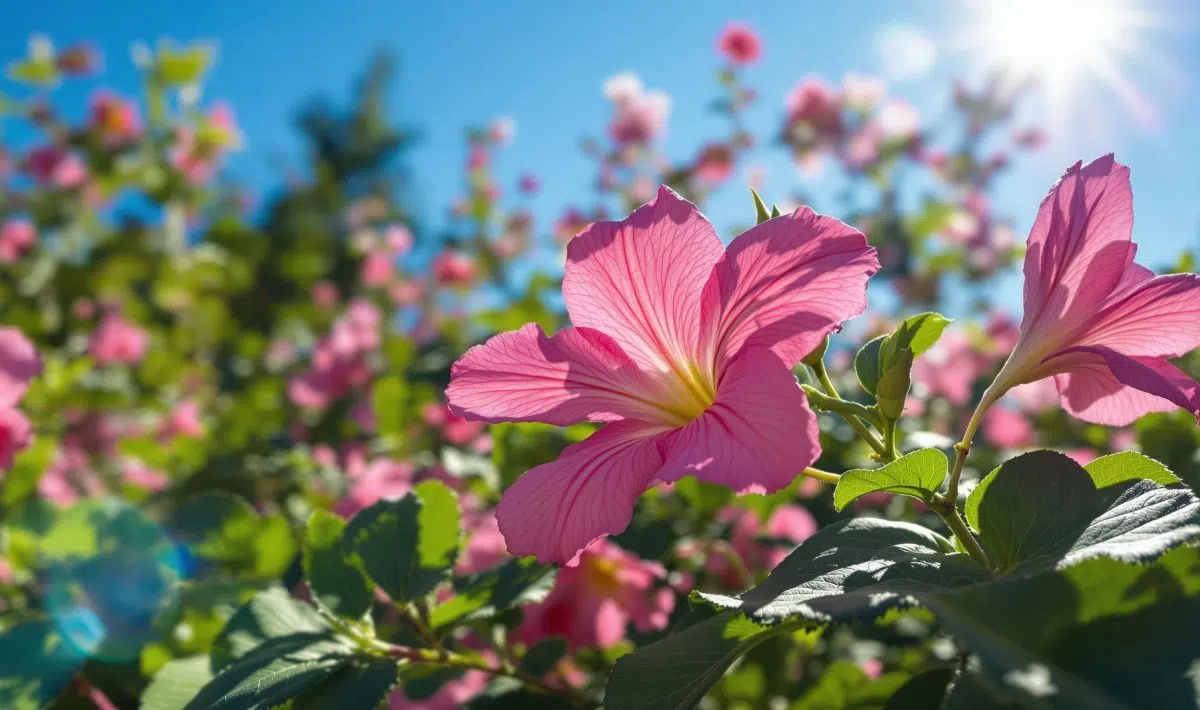
Shade gardens often present unique challenges, but certain flowers thrive in these conditions, transforming challenging spaces into vibrant oases. These plants have evolved to tolerate low light and compete with tree roots, offering solutions for gardeners seeking beauty in shaded areas. Below, we explore the best shade-loving flowers, their care requirements, and design strategies to maximize their potential.
Shade gardens face two primary obstacles: limited sunlight and competing vegetation. Trees and shrubs absorb sunlight and nutrients, leaving little for ground-level plants. Additionally, dense canopies create humid microclimates that promote fungal growth, complicating soil health.
Limited Sunlight and Soil Conditions
Most plants require direct sunlight to photosynthesize, but shade-tolerant species like lamium and hosta have adapted to low-light environments. These plants often develop larger leaves to maximize light absorption or rely on alternative energy sources. Soil in shaded areas tends to be acidic and nutrient-poor, requiring amendments like compost to support plant growth.
Competition with Trees and Shrubs
Tree roots monopolize water and nutrients, leaving shade plants struggling to survive. Clematis and spiderwort circumvent this by growing vertically or developing deep root systems to access resources beyond tree reach.
Top Shade-Loving Perennials
These perennials excel in low-light conditions, offering diverse textures, colors, and growth habits to enhance shaded landscapes.
Lamium: A Versatile Ground Cover
Lamium (deadnettle) features silvery foliage and snapdragon-like blooms in pink or white. It thrives in containers or as a ground cover, tolerating partial shade and moderate watering. Its mint-family roots help suppress weeds, making it ideal for filling gaps between larger plants.

Hosta: A Classic Shade Garden Staple
Hostas are iconic shade perennials with spiky white to lavender flowers that attract pollinators. They prefer moist, well-drained soil and part shade, though some varieties tolerate morning sun. Regular mulching helps retain moisture, while companion planting with ferns or sedums creates layered interest.
Clematis: Climbing Beauty in Containers
Clematis vines add vertical drama to shaded areas, thriving in containers with trellises. They require deep planting (base buried 2-3 inches below soil) and consistent moisture. Pair with smaller shade plants like violas or astilbe for contrast.
Spiderwort: Delicate Blooms in Part Shade
Spiderwort (tradescantia) produces intricate blue, purple, or white flowers and chartreuse foliage in varieties like Sweet Kate. It tolerates part shade but performs best with morning sun. Prune spent blooms to encourage repeat flowering.
Woodland Stonecrop: Low-Growing Succulent
Sedum ternatum (woodland stonecrop) is a low-maintenance succulent with tiny white blooms. Native to rocky U.S. woodlands, it thrives in moist, shaded terraces. Pair with dwarf maples or hostas for textural contrast.
Viola: Fragrant and Edible Blooms
Violas like Penny Purple Picotee and Johnny Jump-Up offer fragrant, edible flowers in shades of purple and yellow. They prefer part shade, especially in summer heat, and self-seed readily. Use them as border plants or in hanging baskets.
Astilbe: Feathery Plumes for Summer Interest
Astilbe’s lacy foliage and feathery plumes in red, pink, or white add movement to shaded gardens. Varieties like Dark Side of the Moon require consistent moisture and partial sun for optimal blooming.
Ligularia: Bold Foliage and Bright Flowers
Ligularia (leopard plant) features large, golden leaves and bright yellow blooms. It excels in boggy conditions, growing up to 8 feet tall. Plant in zones 4-9 and pair with moisture-loving companions like ferns.
Caring for Shade-Loving Plants
Proper care ensures these plants thrive despite challenging conditions.
Soil Requirements and Mulching
Shade plants prefer rich, well-drained soil. Amend with compost or peat moss to improve fertility and drainage. Mulch around plants (avoiding stems) to retain moisture and suppress weeds.
Watering Strategies
Most shade plants need consistent moisture, especially in dry summers. Water deeply once or twice weekly, depending on rainfall. Clematis and hostas benefit from drip irrigation to prevent root rot.
Companion Planting for Biodiversity
Pairing plants with complementary growth habits enhances ecosystem health. For example:
- Hostas + ferns: Hostas’ broad leaves protect ferns from drying winds.
- Lamium + sedums: Lamium’s spreading roots stabilize sedum clusters.
- Clematis + violas: Clematis provides vertical structure while violas fill ground space.
Design Ideas for Shade Gardens
Strategic design maximizes the impact of shade-loving plants.
Layered Planting for Depth
Create layers using:
- Tall plants (clematis, ligularia) as backdrops
- Mid-height perennials (hosta, astilbe) for texture
- Low-growing ground covers (lamium, sedum) to fill gaps
Using Containers for Flexibility
Containers allow mobility and soil control. Try:
- Clematis + violas: Train clematis up a trellis with violas spilling over edges.
- Hostas + woodland stonecrop: Combine hostas with sedum in large pots for contrast.
Incorporating Vertical Elements
Add height with:
- Arbors: Support clematis or roses.
- Trellises: Train spiderwort or morning glories.
- Wall-mounted planters: Display violas or lamium in hanging baskets.
By selecting the right plants and implementing thoughtful care and design strategies, shade gardens can become vibrant, low-maintenance spaces that rival sunnier areas. These flowers not only survive but flourish in challenging conditions, proving that beauty thrives even in the shadows.

Allan is a lifelong gardening enthusiast who still gets excited when the first seedlings pop up in spring. With a deep love for nature and a hands-in-the-soil approach, he shares practical tips, plant discoveries, and clever tricks picked up over years of digging, planting, and observing. Whether you’re a new gardener or have a shed full of tools, Allan writes like a neighbor who’s always happy to swap cuttings and stories over the fence.
You can find more about Allan’s work on Malt or connect with him on LinkedIn.


I planted some hostas in a shaded spot in my backyard where nothing seems to survive, and now it’s become the lush part of the garden! they’re like little green miracles.
Love this! perfect for my shady backyard spot 🌿
🌼 Shady champs
🌸 So much beauty!
Love this! i always struggle with my garden’s shady spots. can’t wait to try some of these flowers and finally bring them to life! 🌿🌼
Wow, i had no idea these flowers could brighten up shady spots! great tips! excited to experiment with some new plants in my garden. thanks! 🌸
Love them! treat pick👏
How often do these shade-loving flowers need to be watered compared to those in sunny areas?
Loved this article! who knew there were so many vibrant options for those tricky shady spots? ready to brighten up my garden with some lush, shade-loving blooms. 🌿🌸
🌸 Shade heroes առաջին օգտագործությունից ժամ(login,k
I’ve been searching for the perfect plants for my shady backyard, and this article nailed it! so excited to transform my garden with these suggestions! 🌸💚
I didn’t know so many flowers could thrive in the shade. some of these seem interesting to try out, though i’m a bit skeptical about how colorful they might be without much sun. but maybe i’ll give them a shot next spring!
Do you recommend any easy-to-find shade-loving flowers for beginner gardeners?
I love these resilient blooms! nothing like a splash of color in the shady corners of a garden. can’t wait to try some in my backyard this summer. 🌸
Love this! can you suggest any shade-loving flowers that also attract pollinators? i’m trying to add some life to my shady garden spots.
I always wondered what to do with the shady spots in my garden. some of these flowers seem like a good option. might give one or two a try and see how it goes.
Do these shade-loving flowers attract pollinators too, or are they just for adding color to shady spots?
Love discovering plants that add life to shady spots! these beauties make shady gardens pop. can’t wait to brighten up my dim corners with them! 🌿🌸