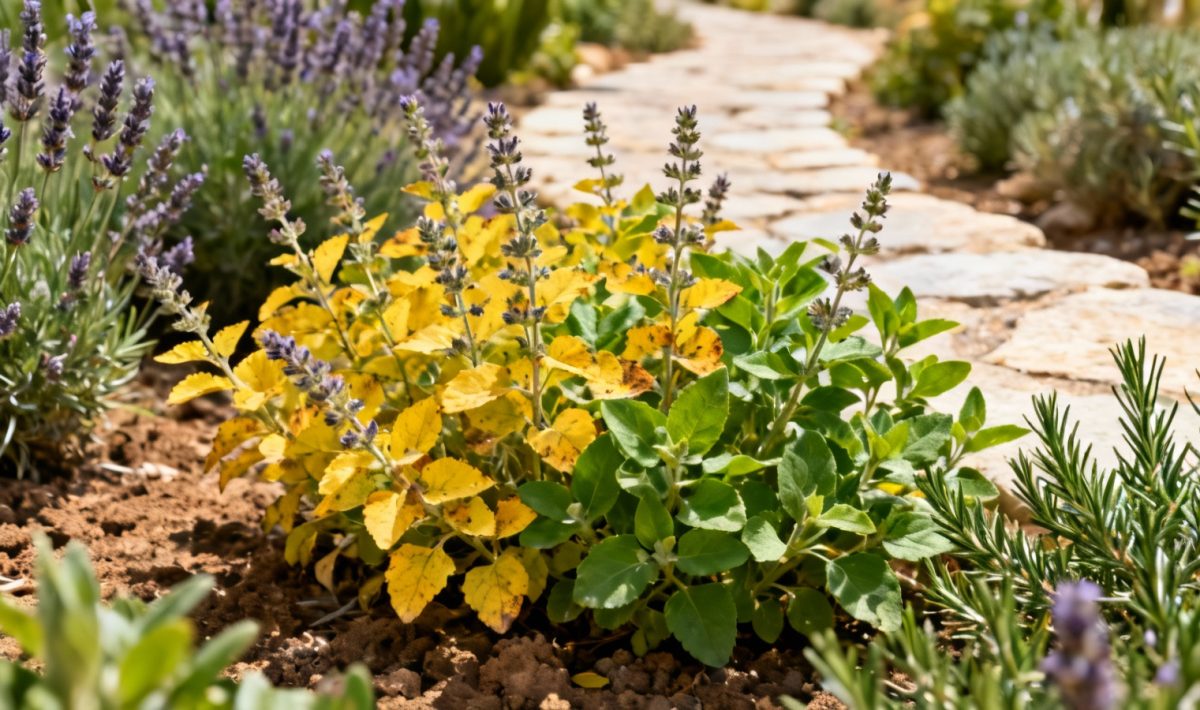
Why are my catmint leaves turning yellow – Mediterranean garden care tips
If you’ve noticed your beloved catmint developing yellow leaves, you’re not alone in this gardening concern. This Mediterranean herb, known for its aromatic foliage and purple flowers, can show signs of distress through leaf discoloration. Understanding the underlying causes will help you restore your plant’s vibrant green appearance and ensure it thrives in your garden.
Yellow leaves on catmint typically indicate that something in the plant’s environment needs adjustment. The most frequent culprits include watering issues, nutrient deficiencies, and environmental stress. Each of these factors affects the plant differently, but they all manifest through the same symptom: yellowing foliage that gradually spreads if left untreated.
Watering problems – the primary suspect
Overwatering ranks as the number one cause of yellow leaves in catmint. This Mediterranean native prefers well-draining soil and can’t tolerate soggy conditions around its roots. When soil remains consistently wet, root rot develops, preventing the plant from absorbing nutrients properly. The first sign you’ll notice is yellowing that starts from the bottom leaves and works its way up.
✅ Quick Checklist
Is the soil too wet or too dry?
Is the plant getting 6+ hours of sunlight daily?
Have you fertilized in the last 2 months?
Are there visible pests under the leaves?
Does the pot have adequate drainage?
🔥 FREE
📱
Diagnose your plant in one click!
AI instant diagnosis • Personalized solutions • 50,000+ species
Conversely, underwatering can also cause yellowing, though this typically affects older leaves first as the plant redirects moisture to newer growth. However, drought stress in catmint is less common since this plant type shows remarkable tolerance to dry conditions once established.
Nutrient deficiencies affecting leaf color
Nitrogen deficiency commonly causes yellowing in catmint leaves, particularly in container-grown plants. When plants lack sufficient nitrogen, they begin breaking down chlorophyll in older leaves to redirect nutrients to new growth. This process creates the characteristic yellow coloration that spreads throughout the plant if not addressed promptly.
Iron deficiency presents differently, causing yellowing between leaf veins while the veins themselves remain green. This condition, known as chlorosis, often occurs in soils with high pH levels that prevent iron absorption. Similar to how cylindrical snake plant leaves yellowing can indicate nutrient issues, catmint responds to mineral imbalances through visible leaf changes.
Environmental factors that stress catmint
Light conditions play a crucial role in maintaining healthy catmint foliage. While these plants tolerate partial shade, they perform best with at least six hours of direct sunlight daily. Insufficient light weakens the plant and makes it more susceptible to various problems, including fungal diseases that can cause yellowing.
Soil quality and drainage requirements
Catmint thrives in well-draining soil with good air circulation around the roots. Heavy clay soils or compacted earth prevent proper drainage and limit oxygen availability to the root system. This creates anaerobic conditions that promote harmful bacteria and fungi, leading to root problems that manifest as yellowing leaves.
The ideal soil pH for catmint ranges from 6.0 to 7.5, slightly alkaline conditions that mirror its Mediterranean origins. When soil becomes too acidic, nutrient uptake becomes compromised, and yellowing may occur even when fertilizer is present.
Temperature stress and seasonal changes
Extreme temperature fluctuations can shock catmint plants and trigger yellowing. While these hardy perennials tolerate cold well, sudden temperature drops or unseasonably warm spells during dormancy can stress the plant. Spring growth that encounters late frosts often shows yellowing damage on new shoots.
In Mediterranean climates, summer heat combined with inadequate moisture can cause temporary yellowing as plants conserve energy. This natural response helps catmint survive drought conditions but may alarm gardeners who aren’t familiar with this adaptive behavior.
Disease and pest issues causing yellow leaves
Fungal diseases represent serious threats to catmint health, particularly in humid conditions or poorly ventilated garden spaces. Root rot, caused by Phytophthora or Rhizoctonia fungi, attacks the root system and prevents nutrient uptake, resulting in widespread yellowing that progresses rapidly if untreated.
Foliar diseases like powdery mildew can also contribute to yellowing, though they typically present with white, powdery coating on leaves first. These infections weaken the plant and reduce its photosynthetic capacity, leading to chlorophyll breakdown and yellow discoloration.
Common pests that damage catmint
Spider mites, aphids, and whiteflies can cause yellowing through their feeding activities. These pests pierce plant tissues and extract nutrients, weakening the plant and causing stippled yellowing patterns on affected leaves. Heavy infestations can lead to significant leaf drop and plant decline.
Just as leaves of my honeysuckle turning yellow might indicate pest problems, catmint showing similar symptoms often harbors these tiny invaders on leaf undersides where they’re difficult to spot initially.
✅ Quick Checklist
Is the soil too wet or too dry?
Is the plant getting 6+ hours of sunlight daily?
Have you fertilized in the last 2 months?
Are there visible pests under the leaves?
Does the pot have adequate drainage?
🔥 FREE
📱
Diagnose your plant in one click!
AI instant diagnosis • Personalized solutions • 50,000+ species
Proper watering technique forms the foundation of healthy catmint care. Water deeply but infrequently, allowing the soil to dry slightly between waterings. Morning watering gives plants time to absorb moisture before evening, reducing the risk of fungal diseases that thrive in damp conditions overnight.
Improving soil drainage often requires amending heavy soils with organic matter like compost or coarse sand. For container plants, ensure pots have adequate drainage holes and use a well-draining potting mix designed for Mediterranean plants or herbs.
Nutritional support for recovery
Balanced fertilization helps prevent nutrient-related yellowing in catmint. Apply a slow-release fertilizer in early spring, or use liquid fertilizer monthly during the growing season. Avoid over-fertilizing, which can promote soft growth that’s more susceptible to pest and disease problems.
For iron deficiency, apply chelated iron according to package directions, or lower soil pH gradually using sulfur amendments. This process takes time, but it provides a long-term solution to chlorosis problems in alkaline soils.
Integrated pest management
Regular monitoring helps catch pest problems early when they’re easier to control. Check plants weekly, paying special attention to leaf undersides where many pests congregate. Beneficial insects like ladybugs and lacewings provide natural pest control and should be encouraged through diverse plantings.
When pest populations exceed beneficial insect control, targeted treatments with insecticidal soap or neem oil prove effective while preserving garden ecosystem balance. Apply treatments in early morning or evening to avoid harming beneficial pollinators.
When to seek professional help
Persistent yellowing despite proper care may indicate more serious problems requiring expert diagnosis. Soil testing can reveal nutrient imbalances or pH issues that aren’t obvious through visual inspection. Many garden centers offer basic soil testing services, or you can send samples to agricultural extension offices for comprehensive analysis.
If yellowing spreads rapidly or affects multiple plants in your garden, consider consulting with local horticultural experts who understand regional growing conditions and common plant problems. They can provide targeted recommendations based on your specific climate and soil conditions.
Remember that healthy catmint plants naturally shed some older leaves as they grow, so occasional yellowing isn’t always cause for concern. Focus on overall plant vigor, new growth patterns, and flowering performance to gauge your catmint’s true health status.
Allan is a lifelong gardening enthusiast who still gets excited when the first seedlings pop up in spring. With a deep love for nature and a hands-in-the-soil approach, he shares practical tips, plant discoveries, and clever tricks picked up over years of digging, planting, and observing. Whether you’re a new gardener or have a shed full of tools, Allan writes like a neighbor who’s always happy to swap cuttings and stories over the fence.
You can find more about Allan’s work on Malt or connect with him on LinkedIn.