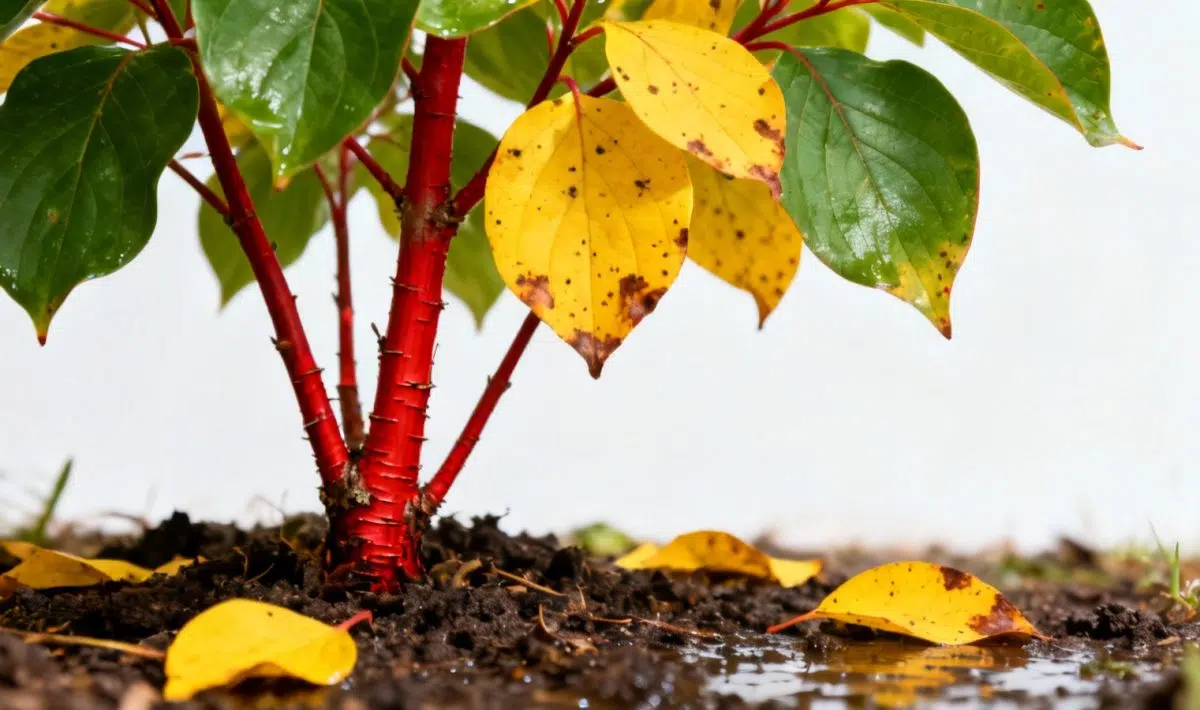
Why are my red osier dogwood leaves turning yellow: causes and solutions
If you’ve noticed your red osier dogwood’s vibrant green leaves turning yellow, you’re probably wondering what’s going wrong with this normally hardy shrub. This concerning change in leaf color can stem from various factors, and understanding the root cause is essential for bringing your plant back to health. Let’s dive into the most common reasons behind this issue and explore practical solutions to get your dogwood thriving again.
Understanding red osier dogwood and its natural biology
Red osier dogwood, scientifically known as Cornus sericea, is a deciduous shrub native to North America that’s beloved for its striking red stems and seasonal beauty. These hardy plants naturally grow in wetland areas and can tolerate a wide range of growing conditions. However, when their leaves start turning yellow outside of the normal autumn period, it’s typically a sign that something in their environment needs attention.
The biology of these plants is fascinating – they rely on their leaves for photosynthesis throughout the growing season, making healthy foliage crucial for their overall vitality. When environmental stresses occur, the leaves are often the first indicator that the plant is struggling to maintain its natural processes.
✅ Quick Checklist
Is the soil too wet or too dry?
Is the plant getting 6+ hours of sunlight daily?
Have you fertilized in the last 2 months?
Are there visible pests under the leaves?
Does the pot have adequate drainage?
🔥 FREE
📱
Diagnose your plant in one click!
AI instant diagnosis • Personalized solutions • 50,000+ species
The most frequent cause of yellowing leaves in red osier dogwoods is water stress, whether from too much or too little moisture. These shrubs have specific water requirements that, when unmet, quickly manifest as yellowing foliage. Interestingly, both drought conditions and waterlogged soil can produce similar symptoms, making proper diagnosis crucial.
During periods of insufficient watering, the plant conserves energy by sacrificing older leaves first, which turn yellow and eventually drop. Conversely, when the soil stays consistently waterlogged, the roots can’t access oxygen properly, leading to root rot and subsequent leaf yellowing. This is particularly common in heavy clay soils or areas with poor drainage.
To determine if water is the issue, check the soil moisture at a depth of 2-3 inches. The soil should feel slightly moist but not soggy. If you’re dealing with similar yellowing issues in other plants, you might find that causes of yellowing red clover leaves share some common water-related factors.
Nutrient deficiencies affecting leaf color
Nutrient deficiencies are another major factor that can cause your dogwood’s leaves to yellow. Nitrogen deficiency is particularly common and typically shows up as yellowing that starts with older, lower leaves and progresses upward. Iron deficiency, on the other hand, causes yellowing between leaf veins while the veins themselves remain green.
The soil pH plays a crucial role in nutrient availability. Red osier dogwoods prefer slightly acidic to neutral soil (pH 6.0-7.0), and when the pH strays too far from this range, certain nutrients become unavailable to the plant even if they’re present in the soil. Regular soil testing can help identify these imbalances before they become severe.
Magnesium deficiency also causes yellowing, typically starting between leaf veins on older leaves. This nutrient is essential for chlorophyll production, so its absence directly impacts the green pigmentation that keeps leaves healthy-looking throughout the growing season.
Environmental stresses and their effects
Environmental factors significantly impact the health of your red osier dogwood’s foliage. Extreme temperatures, whether hot or cold, can stress the plant and trigger protective mechanisms that include leaf yellowing. During particularly hot summers, even well-watered plants may show signs of heat stress through yellowing leaves.
Sudden changes in light conditions can also cause problems. If your dogwood has been growing in partial shade and is suddenly exposed to full sun (perhaps due to tree removal nearby), the leaves may yellow as they struggle to adapt to the increased light intensity. Similarly, inadequate light can cause gradual yellowing as the plant can’t photosynthesize efficiently.
Wind stress shouldn’t be overlooked either. Constant exposure to strong winds can dehydrate leaves faster than the roots can replace the lost moisture, leading to yellowing and eventual browning around leaf edges. This is especially problematic for newly transplanted specimens that haven’t established extensive root systems yet.
Pest and disease problems
Various pests and diseases can cause yellowing in dogwood leaves, though these are typically accompanied by other symptoms. Aphids, spider mites, and scale insects all feed on plant juices and can cause yellowing, stunted growth, and general decline in plant health. These pests are often more active during warm, dry periods.
Fungal diseases like anthracnose or powdery mildew can also trigger yellowing, usually starting with spots or patches that gradually expand. Poor air circulation and high humidity create ideal conditions for these fungal problems to develop and spread throughout the plant.
Root rot, caused by various soil-borne pathogens, affects the plant’s ability to absorb water and nutrients, resulting in yellowing leaves that may also appear wilted despite adequate soil moisture. This condition is most common in poorly drained soils or during periods of excessive rainfall. Other plants in your garden might experience similar issues – for example, reasons for yellowing honeysuckle leaves often include comparable pest and disease factors.
✅ Quick Checklist
Is the soil too wet or too dry?
Is the plant getting 6+ hours of sunlight daily?
Have you fertilized in the last 2 months?
Are there visible pests under the leaves?
Does the pot have adequate drainage?
🔥 FREE
📱
Diagnose your plant in one click!
AI instant diagnosis • Personalized solutions • 50,000+ species
Once you’ve identified the likely cause of yellowing, implementing the right solution becomes straightforward. For water-related issues, establish a consistent watering schedule that maintains soil moisture without creating waterlogged conditions. Deep, infrequent watering typically works better than frequent shallow watering, as it encourages deeper root development.
If soil drainage is poor, consider amending the planting area with compost or other organic matter to improve soil structure. In severe cases, you might need to create raised beds or install drainage systems to prevent water from accumulating around the roots during rainy periods.
For nutrient deficiencies, start with a soil test to determine exactly what’s needed. A balanced, slow-release fertilizer applied in early spring usually provides adequate nutrition for the growing season. However, specific deficiencies may require targeted treatments – for example, iron sulfate for iron deficiency or Epsom salt for magnesium deficiency.
Prevention and long-term care
Preventing yellowing leaves is always easier than treating the problem after it occurs. Regular monitoring of your dogwood’s health allows you to catch issues early when they’re most manageable. During the growing season, check your plants weekly for changes in leaf color, pest activity, or other signs of stress.
Proper initial planting sets the foundation for long-term health. Choose a location with appropriate light conditions and good drainage, and prepare the soil with organic matter before planting. Mulching around the base helps retain moisture and regulate soil temperature while suppressing weeds that compete for nutrients.
Understanding that some leaf yellowing during autumn is completely natural helps distinguish between normal seasonal changes and actual problems. Red osier dogwoods typically show beautiful fall colors before dropping their leaves, so don’t panic if yellowing occurs during this natural transition period.
With proper care and attention to environmental factors, your red osier dogwood can maintain healthy, vibrant foliage throughout the growing season. Remember that healthy plants are more resistant to pests and diseases, making prevention through good cultural practices your best defense against future problems.
Allan is a lifelong gardening enthusiast who still gets excited when the first seedlings pop up in spring. With a deep love for nature and a hands-in-the-soil approach, he shares practical tips, plant discoveries, and clever tricks picked up over years of digging, planting, and observing. Whether you’re a new gardener or have a shed full of tools, Allan writes like a neighbor who’s always happy to swap cuttings and stories over the fence.
You can find more about Allan’s work on Malt or connect with him on LinkedIn.