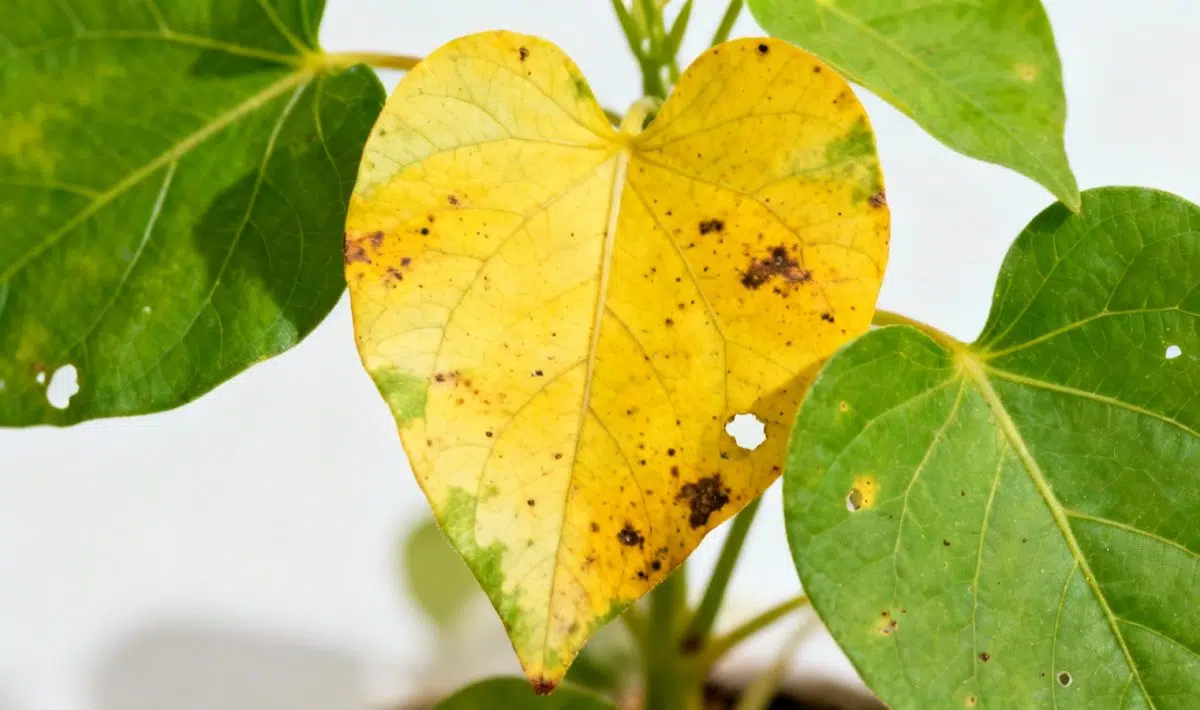
Why are my four o’clock flower leaves turning yellow – causes and solutions
Nothing breaks a gardener’s heart quite like seeing their beautiful four o’clock flowers with yellowing leaves. These vibrant plants, also known as Mirabilis jalapa, are typically hardy and colorful, but when their leaves start turning yellow, it signals that something needs attention in your garden care routine.
Four o’clock flowers are beloved for their fragrant blooms that open in the late afternoon, but leaf yellowing can quickly diminish their beauty. Understanding why this happens will help you restore your plants to their former glory and prevent future issues from affecting your collection.
Common causes of yellowing leaves in four o’clock flowers
Several factors can cause your four o’clock flower leaves to turn yellow, and identifying the root cause is essential for effective treatment. Most issues stem from watering problems, nutrient deficiencies, or environmental stress that affects the plant’s ability to maintain healthy foliage.
Watering problems affecting your plants
Improper watering ranks as the most frequent culprit behind yellowing leaves in four o’clock flowers. These plants prefer consistently moist but well-draining soil, and both overwatering and underwatering can trigger leaf yellowing that spreads throughout your garden.
Overwatering creates waterlogged conditions that prevent roots from accessing oxygen, leading to root rot and subsequent leaf yellowing. You’ll often notice this problem starts with lower leaves turning yellow first, then progressing upward through the plant.
Conversely, underwatering stresses the plant and causes leaves to yellow and wilt as the plant conserves moisture. The soil will feel dry several inches down, and leaves may also become crispy around the edges before falling off.
✅ Quick Checklist
Is the soil too wet or too dry?
Is the plant getting 6+ hours of sunlight daily?
Have you fertilized in the last 2 months?
Are there visible pests under the leaves?
Does the pot have adequate drainage?
🔥 FREE
📱
Diagnose your plant in one click!
AI instant diagnosis • Personalized solutions • 50,000+ species
Four o’clock flowers require balanced nutrition to maintain their vibrant green leaves and produce abundant blooms. Nitrogen deficiency commonly causes older leaves to turn yellow first, as the plant redistributes this essential nutrient to newer growth areas.
Iron deficiency presents differently, causing yellowing between leaf veins while the veins themselves remain green. This condition, known as chlorosis, often occurs in alkaline soils that prevent iron uptake even when the nutrient is present.
Potassium deficiency typically shows as yellowing leaf edges that may progress inward over time. This nutrient helps plants regulate water and resist disease, so deficiencies can make your four o’clock flowers more susceptible to other problems that compound the yellowing issue.
Diseases and pests affecting your garden
Various fungal diseases can cause leaf yellowing in four o’clock flowers, particularly when humidity levels are high and air circulation is poor. Fungal infections often start as small spots that expand and cause entire leaves to yellow and drop prematurely.
Spider mites and aphids are common pests that feed on plant sap, causing stippling and yellowing of leaves. These tiny insects reproduce rapidly in warm, dry conditions and can quickly overwhelm plants that were previously healthy and thriving in your collection.
Similar yellowing issues affect other plants too, such as the causes of yellowing honeysuckle leaves, which share some common factors with four o’clock flower problems.
Light requirements and their impact on plant health
Four o’clock flowers thrive in full sun to partial shade conditions, requiring at least six hours of direct sunlight daily for optimal growth and flowering. Insufficient light can weaken the plant and contribute to leaf yellowing as the plant struggles to photosynthesize effectively.
Importance of proper sunlight exposure
These flowering plants have evolved to bloom in the late afternoon and evening, but they still need adequate daytime light for healthy leaf development. When grown in too much shade, four o’clock flowers stretch toward available light sources, becoming leggy with pale, yellowing leaves.
Morning sunlight is particularly beneficial for drying dew from leaves, which helps prevent fungal diseases that can cause yellowing. However, in extremely hot climates, some afternoon shade can prevent heat stress that also leads to leaf discoloration.
Signs of inadequate lighting conditions
Plants receiving insufficient light often display elongated stems with widely spaced leaves that appear pale or yellowish-green rather than the deep green color of healthy foliage. The flowering may also be reduced significantly, with plants producing fewer blooms than expected.
You’ll notice that plants grown in deep shade tend to have a weaker overall structure and are more prone to falling over or breaking during windy weather. This stress further contributes to leaf yellowing as the plant diverts energy to structural support.
Effective solutions for yellowing four o’clock flower leaves
Once you’ve identified the cause of leaf yellowing, implementing targeted solutions will help restore your four o’clock flowers to good health. Most problems are easily correctable with proper care adjustments and consistent monitoring of your plants’ needs.
Adjusting watering practices and soil drainage
Establish a regular watering schedule that keeps soil consistently moist but never waterlogged. Check soil moisture by inserting your finger two inches deep – if it feels dry, it’s time to water thoroughly until water drains from the bottom.
Improve drainage in heavy clay soils by adding organic matter such as compost or well-aged manure. For container plants, ensure pots have adequate drainage holes and use a quality potting mix that drains well while retaining appropriate moisture levels.
During hot summer months, mulch around plants to help retain soil moisture and reduce watering frequency. Organic mulches like shredded bark or leaves also improve soil structure as they decompose over time.
Providing proper nutrition for healthy growth
Apply a balanced, slow-release fertilizer in early spring when new growth begins, following package directions for application rates. Avoid over-fertilizing, which can cause excessive foliage growth at the expense of flowering and may actually contribute to pest problems.
For quick correction of nutrient deficiencies, liquid fertilizers provide fast results but require more frequent applications. Choose fertilizers specifically formulated for flowering plants to ensure proper nutrient ratios for healthy leaf development.
Regular soil testing every few years helps identify pH imbalances or specific nutrient deficiencies that might not be obvious from visual symptoms alone. Most four o’clock flowers prefer slightly acidic to neutral soil pH between 6.0 and 7.0.
✅ Quick Checklist
Is the soil too wet or too dry?
Is the plant getting 6+ hours of sunlight daily?
Have you fertilized in the last 2 months?
Are there visible pests under the leaves?
Does the pot have adequate drainage?
🔥 FREE
📱
Diagnose your plant in one click!
AI instant diagnosis • Personalized solutions • 50,000+ species
Regular inspection of your plants helps catch pest and disease problems early when they’re easier to treat. Look under leaves weekly for signs of spider mites, aphids, or other insects that can cause yellowing damage to your flowering plants.
Insecticidal soap or neem oil treatments are effective against most common pests while being gentle on beneficial insects like butterflies that visit your four o’clock flowers. Apply treatments in the early morning or evening to avoid leaf burn from sun exposure.
For fungal diseases, improve air circulation around plants by proper spacing and pruning. Remove affected leaves immediately and dispose of them in the trash rather than composting to prevent disease spread throughout your garden collection.
Interestingly, similar leaf yellowing patterns occur in other plants such as those experiencing reasons for yellowing pomegranate leaves, which often share root causes with four o’clock flower issues.
Prevention strategies for long-term plant health
Maintaining healthy four o’clock flowers requires consistent care and attention to their growing conditions. Establishing good garden practices from the beginning prevents most leaf yellowing problems and ensures vigorous plant growth throughout the growing season.
Choose well-draining planting sites with appropriate sun exposure, and prepare soil with organic amendments before planting. Space plants adequately to promote good air circulation, which helps prevent fungal diseases that often lead to leaf yellowing in humid conditions.
Monitor your plants regularly and address small problems before they become major issues. Keep a garden journal to track watering schedules, fertilizer applications, and any problems you observe, which helps identify patterns and improve your care routine over time.
With proper attention to watering, nutrition, and environmental conditions, your four o’clock flowers will reward you with healthy green foliage and abundant evening blooms that attract butterflies and other pollinators to your garden space.
Allan is a lifelong gardening enthusiast who still gets excited when the first seedlings pop up in spring. With a deep love for nature and a hands-in-the-soil approach, he shares practical tips, plant discoveries, and clever tricks picked up over years of digging, planting, and observing. Whether you’re a new gardener or have a shed full of tools, Allan writes like a neighbor who’s always happy to swap cuttings and stories over the fence.
You can find more about Allan’s work on Malt or connect with him on LinkedIn.