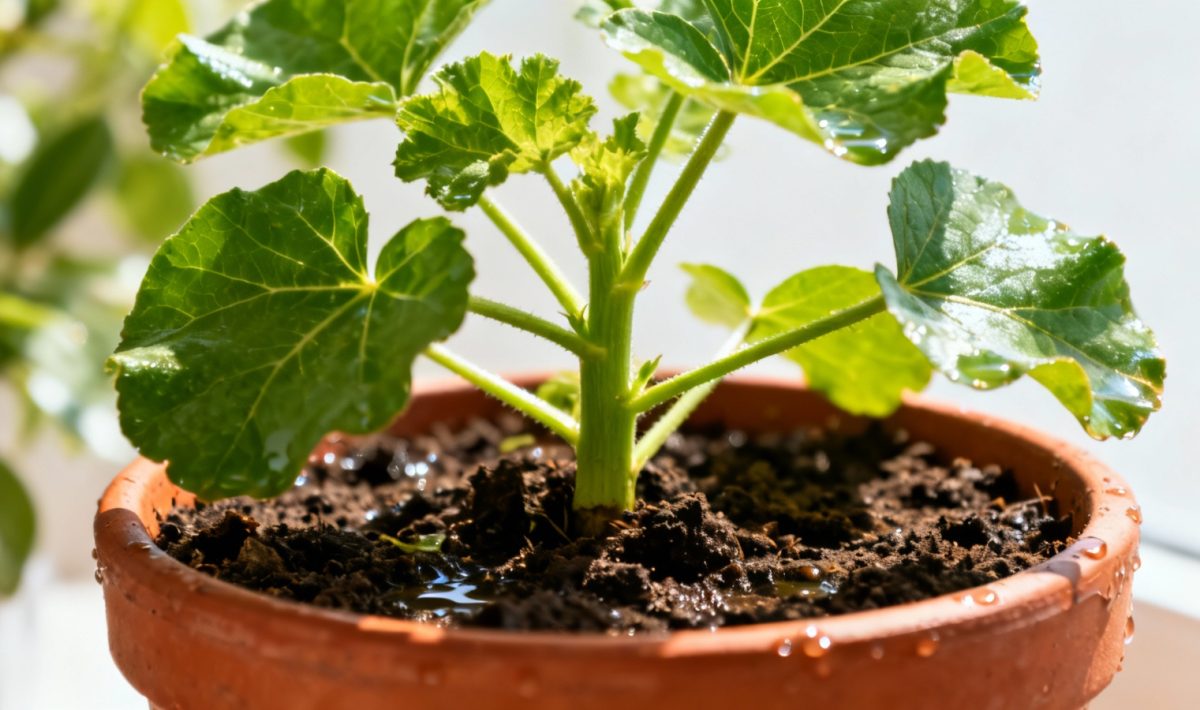
How often should you water your common mallow for optimal growth
Common mallow watering can make or break your gardening success with this resilient herb. Understanding how often should you water your common mallow depends on several factors that influence its growth and health. This hardy plant offers incredible benefits for both gardeners and herbal tea enthusiasts, making proper care essential for maximizing its potential.
Common mallow (Malva sylvestris) thrives with moderate watering that varies significantly based on plant maturity and environmental conditions. Young plants require more frequent attention during their establishment phase, while mature specimens demonstrate remarkable drought tolerance. The key lies in recognizing these different stages and adjusting your watering schedule accordingly.
Soil type plays a crucial role in determining watering frequency for your mallow plants. Well-draining soil allows water to penetrate deeply while preventing root rot, which can devastate these otherwise hardy herbs. Clay soils retain moisture longer, requiring less frequent watering, while sandy soils drain quickly and need more regular attention. For gardeners growing mallow for tea production, consistent moisture during the growing season ensures optimal leaf development and quality.
Temperature and seasonal changes dramatically affect how often you should water your common mallow. During hot summer months, plants may need water two to three times per week, especially when temperatures exceed 80°F. However, in cooler spring and fall weather, weekly watering often suffices. Much like other garden herbs, you can find similar patterns when you watering tips for healthy sage, as both plants share comparable water needs during different seasons.
Optimal watering frequency for different growth stages
Newly planted common mallow requires consistent moisture for the first four to six weeks after transplanting. Water these young plants every two to three days, ensuring the soil stays evenly moist but not waterlogged. This frequent schedule helps establish strong root systems that will support the plant throughout its growing season.
Established mallow plants, those that have been growing for more than one season, demonstrate impressive drought tolerance. These mature specimens typically need watering only once per week during normal weather conditions. However, during extended dry periods lasting more than ten days, increase frequency to twice weekly to maintain plant health and leaf quality.
The flowering period, which spans from June through October, represents the most critical time for consistent watering. During this phase, regular moisture supports continuous bloom production and maintains the high-quality leaves prized for herbal teas. Many gardeners notice similar patterns with other flowering plants, such as learning to water your peony for healthy blooms, where consistent moisture during flowering proves essential.
Best watering techniques for common mallow
Deep, infrequent watering proves more beneficial than frequent shallow applications for common mallow plants. When you water, apply enough moisture to penetrate six to eight inches into the soil, encouraging roots to grow deeply. This technique builds drought resistance and reduces the overall watering frequency needed.
Morning watering provides the best results for mallow plants, allowing leaves to dry before evening and reducing fungal disease risks. Apply water directly to the soil around the plant base rather than overhead watering, which can promote leaf diseases. Drip irrigation or soaker hoses work exceptionally well for maintaining consistent soil moisture without wetting foliage.
Mulching around mallow plants significantly reduces watering frequency by conserving soil moisture and moderating temperature fluctuations. Apply two to three inches of organic mulch, such as straw or shredded leaves, maintaining a gap around the plant stem to prevent pest issues.
Seasonal adjustments for mallow watering
Spring watering focuses on supporting new growth as plants emerge from winter dormancy. Begin with weekly watering sessions, gradually increasing frequency as temperatures rise and growth accelerates. This gradual approach prevents shock while supporting healthy development.
Summer represents the peak growing season when mallow plants produce their most valuable leaves for tea production. During this period, monitor soil moisture closely and maintain consistent watering schedules. Hot, dry spells may require daily watering for container-grown plants, while garden specimens typically need water every three to four days.
Fall watering gradually decreases as plants prepare for dormancy. Reduce frequency to weekly applications, then stop supplemental watering once temperatures consistently drop below 50°F. This natural reduction helps plants harden off for winter survival.
Winter requires minimal intervention for established mallow plants, as natural precipitation usually provides adequate moisture. However, during unusually dry winters, monthly deep watering may benefit plants in regions with limited snowfall or rainfall.
Signs your mallow needs water adjustment
Wilting leaves during the hottest part of the day indicate immediate water needs, especially if soil feels dry two inches below the surface. However, distinguish between temporary afternoon wilting, which is normal, and persistent wilting that continues into evening hours.
Yellowing lower leaves often signal overwatering rather than drought stress in mallow plants. These symptoms, combined with soggy soil, indicate the need to reduce watering frequency and improve drainage. Similar watering challenges occur with other garden plants, making it valuable to understand patterns like those found when learning to optimal watering for dandelion growth.
Stunted growth and reduced leaf production suggest inconsistent watering practices. Mallow plants respond best to regular, predictable moisture levels rather than cycles of drought and flooding. Establishing a consistent schedule based on weather conditions and plant response ensures optimal growth.
Maximizing mallow tea leaf quality through proper watering
Consistent moisture throughout the growing season produces the tender, flavorful leaves most valued for herbal tea production. Stress-induced leaves from irregular watering often develop bitter flavors and tough textures that reduce tea quality.
Harvest timing coordinates closely with watering schedules for premium tea leaves. Collect leaves in the morning after plants have absorbed overnight moisture but before the heat of the day. This timing ensures maximum essential oil content and optimal flavor profiles.
Many commercial tea producers maintain specific watering protocols to ensure consistent leaf quality throughout the harvest season. Home gardeners can apply these same principles by maintaining detailed watering records and observing how different moisture levels affect leaf characteristics. Large-scale operations often employ techniques similar to those used for other crops, including methods for learning to ensure healthy growth of sunflowers, where consistent moisture proves equally critical.
Troubleshooting common watering problems
Root rot represents the most serious consequence of overwatering mallow plants. This condition manifests through blackened stems at soil level, yellowing leaves, and a musty odor from the soil. Prevention involves improving drainage and reducing watering frequency immediately.
Drought stress creates different but equally concerning symptoms, including premature flowering, reduced leaf size, and increased susceptibility to pest problems. Recovery requires gradual rehydration rather than sudden heavy watering, which can shock stressed plants.
Container-grown mallow plants face unique challenges with both overwatering and drought stress occurring more frequently than garden specimens. These plants require daily monitoring during hot weather and may need twice-daily watering during peak summer conditions. Proper container size and drainage holes prove essential for maintaining healthy moisture levels.
Understanding how often should you water your common mallow ensures successful cultivation of this valuable herb. By adjusting frequency based on plant maturity, seasonal conditions, and specific growing situations, gardeners can maintain healthy plants that produce high-quality leaves perfect for herbal tea production. Regular observation and consistent care practices create the foundation for thriving mallow plants that provide years of gardening satisfaction and healthful benefits.
Allan is a lifelong gardening enthusiast who still gets excited when the first seedlings pop up in spring. With a deep love for nature and a hands-in-the-soil approach, he shares practical tips, plant discoveries, and clever tricks picked up over years of digging, planting, and observing. Whether you’re a new gardener or have a shed full of tools, Allan writes like a neighbor who’s always happy to swap cuttings and stories over the fence.
You can find more about Allan’s work on Malt or connect with him on LinkedIn.