
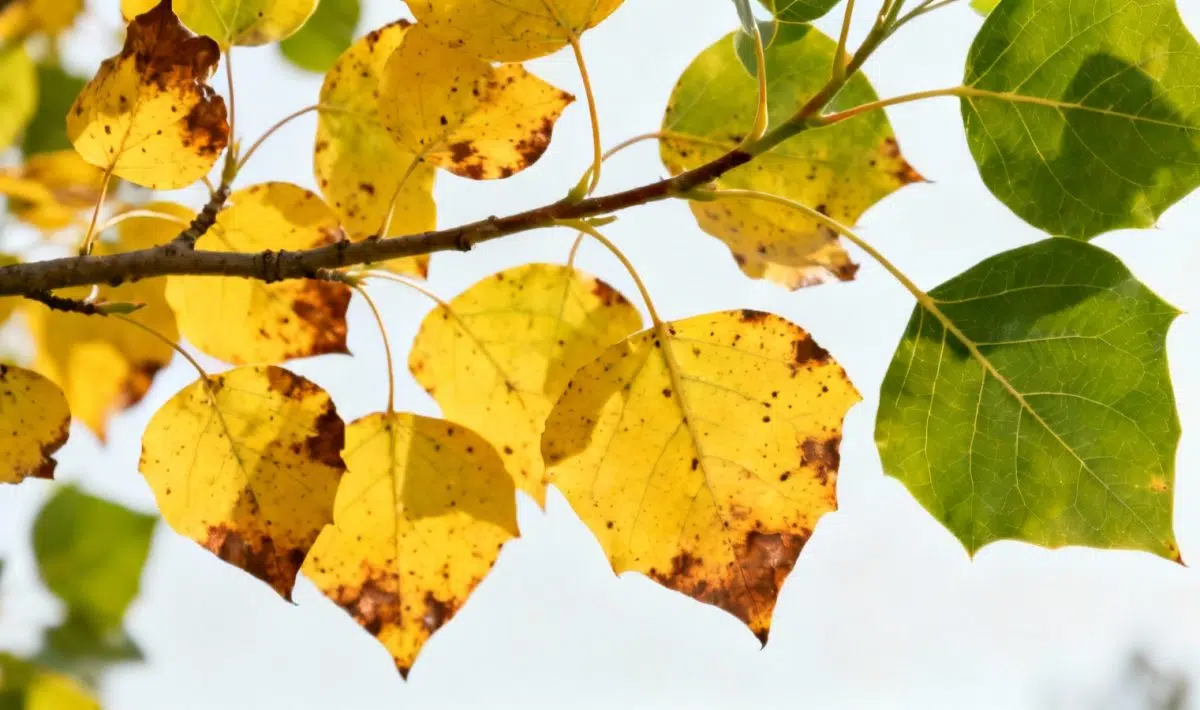
If you’ve noticed your beautiful tulip poplar tree developing yellow leaves, you’re not alone in wondering what’s happening. Many gardeners find themselves asking “why are my tulip poplar leaves turning yellow?” and the answer isn’t always straightforward. These majestic trees, scientifically known as Liriodendron tulipifera, are generally hardy plants, but several factors can cause their distinctive leaves to change color prematurely.
✅ Quick Checklist
- Is the soil too wet or too dry?
- Is the plant getting 6+ hours of sunlight daily?
- Are there visible pests under the leaves?
- Have you fertilized in the last 2 months?
- Does the pot have adequate drainage?
Diagnose your plant in one click!
AI instant diagnosis • Personalized solutions • 50,000+ species
Common causes of yellowing leaves in tulip poplars
Understanding the root cause of your tree’s yellowing leaves is essential for providing the right treatment. Tulip poplars are magnificent shade trees that can reach impressive heights, but they’re also sensitive to various environmental stresses. The most frequent culprits behind yellow leaves include watering problems, nutrient deficiencies, and seasonal changes that affect the tree’s natural processes.
Water stress and drainage issues
One of the primary reasons you’ll find yellow leaves on your tulip poplar is improper watering. These trees need consistent moisture but absolutely hate waterlogged soil. When the roots sit in soggy conditions for extended periods, they can’t absorb oxygen properly, leading to yellowing that starts from the bottom of the tree and works its way up.
Conversely, drought stress can cause similar symptoms. During dry spells, your tulip poplar will sacrifice older leaves to conserve water for new growth. You’ll notice this pattern particularly during hot summer months when rainfall is scarce and your tree is working hard to maintain its massive canopy.
Nutrient deficiencies affecting leaf color
Your tulip poplar might be crying out for specific nutrients, with nitrogen deficiency being one of the most common issues. When trees lack adequate nitrogen, they begin pulling this essential nutrient from older leaves to support new growth, causing those older leaves to turn yellow and eventually drop off.
Iron deficiency presents differently, typically causing yellowing between leaf veins while the veins themselves remain green. This condition, called chlorosis, is particularly common in alkaline soils where iron becomes less available to plant roots. Many gardening enthusiasts find that addressing soil pH can dramatically improve their tree’s appearance.
Several diseases can cause your tulip poplar’s leaves to yellow, with fungal infections being particularly troublesome. Verticillium wilt is one disease that affects many tree species, including tulip poplars, causing yellowing that often appears on one side of the tree first. This soil-borne fungus attacks the tree’s vascular system, disrupting water and nutrient transport.
Aphids and other sap-sucking insects can also contribute to yellowing leaves. These tiny pests weaken your tree by feeding on its fluids, and their presence often leads to secondary problems like sooty mold. For gardeners dealing with similar issues on other plants, the reasons for yellowing honeysuckle leaves often overlap with tree problems.
Seasonal and environmental factors
Sometimes yellowing leaves are completely natural and not a cause for concern. Tulip poplars naturally shed their older leaves throughout the growing season, and this process accelerates during periods of stress. Late summer and early fall yellowing is particularly common as trees begin preparing for dormancy.
Environmental stresses like extreme temperatures, pollution, or construction damage can trigger premature yellowing. These majestic trees are somewhat sensitive to soil compaction and root disturbance, so any nearby construction work might affect your tree’s health weeks or months later.
✅ Quick Checklist
- Is the soil too wet or too dry?
- Is the plant getting 6+ hours of sunlight daily?
- Have you fertilized in the last 2 months?
- Are there visible pests under the leaves?
- Does the pot have adequate drainage?
Diagnose your plant in one click!
AI instant diagnosis • Personalized solutions • 50,000+ species
Practical solutions for healthier trees
The good news is that most yellowing issues with tulip poplars are treatable with proper care and attention. Start by evaluating your watering practices – these trees prefer deep, infrequent watering rather than frequent shallow applications. A thick layer of organic mulch around the base helps retain moisture while preventing soil compaction.
Soil improvement and fertilization
Testing your soil pH and nutrient levels provides valuable insight into what your tree needs. Tulip poplars thrive in slightly acidic to neutral soil with good organic content. If your soil test reveals deficiencies, a slow-release balanced fertilizer applied in early spring will support healthy growth throughout the growing season.
For iron deficiency, you might need to address soil pH or apply iron chelate directly to make this nutrient more available. Many plants face similar challenges, and the causes of yellowing snake plant leaves demonstrate how nutrient availability affects various species differently.
Monitoring and prevention strategies
Regular inspection of your tulip poplar helps you catch problems early. Look for patterns in the yellowing – is it affecting all leaves uniformly, or just certain areas? Check for signs of pests, particularly on the undersides of leaves where many insects prefer to hide.
Preventive care includes ensuring adequate air circulation around your tree, avoiding soil compaction from foot traffic or equipment, and maintaining consistent moisture levels. These magnificent trees are fast-growing and relatively resilient, but they respond well to attentive care.
When to seek professional help
While many yellowing issues are manageable with proper home care, some situations require professional intervention. If yellowing is accompanied by branch dieback, unusual growth patterns, or if the problem persists despite your best efforts, consulting a certified arborist is recommended.
Professional tree care specialists can diagnose complex issues like root rot or systemic diseases that might not be obvious to untrained eyes. They can also provide targeted treatments that aren’t available to homeowners, ensuring your beautiful tulip poplar continues to thrive for years to come.
Remember that tulip poplars are generally hardy trees that, with proper care, will reward you with decades of spectacular growth and seasonal beauty. Understanding the causes behind yellowing leaves empowers you to provide the best possible care for these magnificent specimens in your landscape.

Allan is a lifelong gardening enthusiast who still gets excited when the first seedlings pop up in spring. With a deep love for nature and a hands-in-the-soil approach, he shares practical tips, plant discoveries, and clever tricks picked up over years of digging, planting, and observing. Whether you’re a new gardener or have a shed full of tools, Allan writes like a neighbor who’s always happy to swap cuttings and stories over the fence.
You can find more about Allan’s work on Malt or connect with him on LinkedIn.


