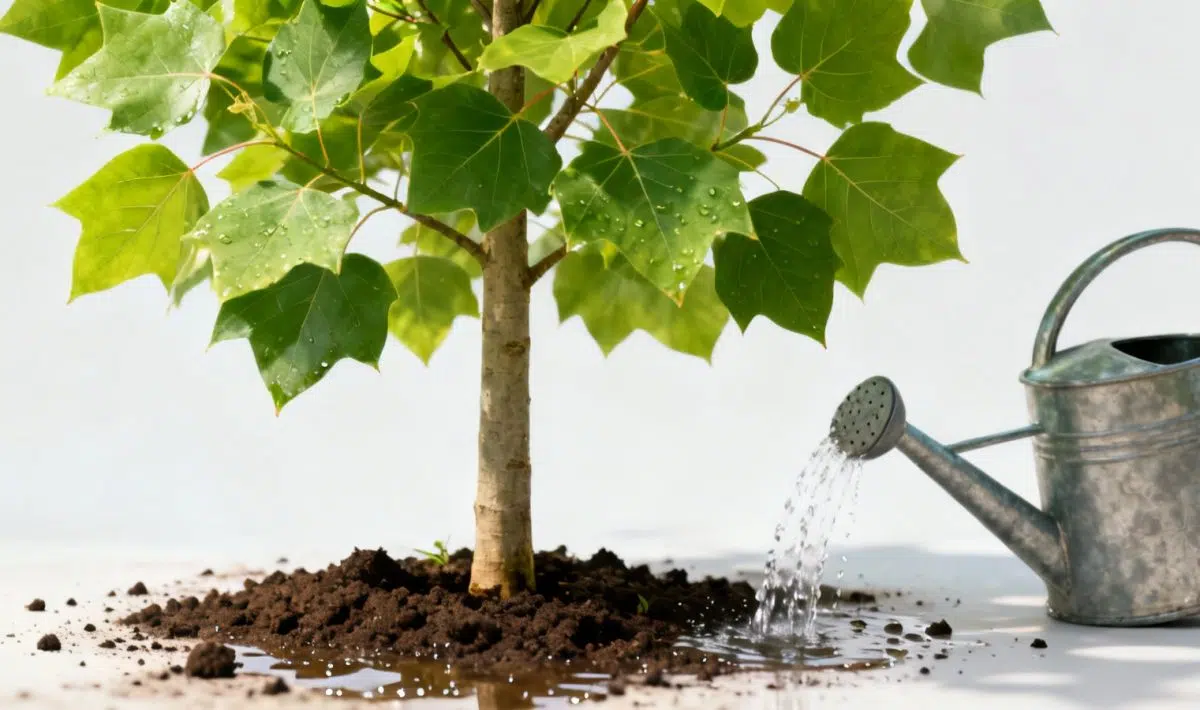
How often should you water your tulip poplar for healthy growth
Caring for a tulip poplar tree requires understanding its unique watering needs throughout different growth stages. This magnificent tree, with its distinctive tulip-shaped leaves and impressive height potential, can become a stunning centerpiece in your garden when properly maintained. The key to success lies in getting the watering schedule just right, which varies significantly between young and mature trees.
Understanding your tulip poplar’s water requirements
The tulip poplar (Liriodendron tulipifera) is a fast-growing tree that thrives with consistent moisture levels. However, the question of how often should you water your tulip poplar doesn’t have a one-size-fits-all answer. Young trees typically need more frequent watering than their mature counterparts, and environmental factors play a crucial role in determining the ideal schedule.
For newly planted tulip poplars, you should water them every few days during the first month, then gradually reduce to weekly watering as they establish their root system. The soil should remain consistently moist but never waterlogged, as this can lead to root rot and other complications.
Mature tulip poplars have extensive root systems that can access deeper water sources. These established trees generally require watering only during extended dry periods or drought conditions. When you do water mature trees, aim for deep, thorough soaking rather than frequent shallow watering.
Seasonal watering schedules and techniques
Spring marks the beginning of active growth for tulip poplars, and they’ll benefit from regular watering as new leaves emerge and branches extend. During this season, water your tree once or twice weekly, depending on rainfall. The goal is to maintain consistent soil moisture around the root zone.
Summer brings the highest water demand for these trees. Hot weather increases evaporation rates, and the large leaves of tulip poplars lose moisture rapidly through transpiration. You may need to water every three to four days during particularly hot spells, always checking soil moisture levels before watering.
Fall watering should gradually decrease as the tree prepares for dormancy. Continue watering until the leaves drop, then reduce frequency significantly. However, don’t completely stop watering if autumn is particularly dry, as the tree still needs some moisture for root health.
Winter watering is minimal but shouldn’t be ignored entirely. If you experience a particularly dry winter with little snow or rain, occasional deep watering may be necessary, especially for younger trees that haven’t fully established their root systems.
Proper watering depth and soil considerations
The depth of watering is just as important as frequency. Tulip poplars develop extensive root systems that spread far beyond the tree’s canopy, so you’ll want to water deeply to encourage healthy root development. Aim to moisten the soil to a depth of 8-12 inches around the entire drip line of the tree.
Different soil types affect how often you should water your tulip poplar. Clay soils retain moisture longer but can become waterlogged easily, while sandy soils drain quickly and may require more frequent watering. Test your soil drainage by digging a small hole and filling it with water – if it drains within a few hours, you have well-draining soil that may need more frequent watering.
Similar to how you might approach watering needs of a sycamore tree, tulip poplars benefit from consistent moisture levels rather than alternating between very wet and very dry conditions. This consistency helps prevent stress and promotes steady growth.
Signs your tulip poplar needs water
Learning to read your tree’s signals will help you determine the optimal watering schedule. Wilting or drooping leaves during the heat of the day can indicate water stress, especially if they don’t recover by evening. However, some midday wilting is normal during extremely hot weather, even with adequate soil moisture.
Check the soil moisture by inserting a long screwdriver or soil probe into the ground near your tree. If it meets resistance or the soil appears dry at a depth of 4-6 inches, it’s time to water. Conversely, if water pools on the surface or the soil feels soggy, you may be overwatering.
Yellow leaves can indicate both overwatering and underwatering, so soil testing is crucial for proper diagnosis. Overwatered trees often show yellowing from the bottom up, while underwatered trees may show yellowing and browning leaf edges.
Effective watering methods for tulip poplars
Drip irrigation systems work exceptionally well for tulip poplars, providing slow, deep watering that penetrates the soil effectively. Set up multiple drip emitters around the tree’s drip line to ensure even water distribution across the entire root zone.
Soaker hoses offer another excellent option, particularly for younger trees. Arrange the hose in a spiral pattern around the tree, extending to the drip line. This method delivers water slowly and steadily, minimizing runoff and ensuring deep soil penetration.
When hand watering, use a slow trickle from your garden hose rather than a strong spray. Move the hose around the tree’s base, spending several minutes in each location to allow water to soak deeply into the soil. This approach mimics natural rainfall and promotes healthy root development.
Just as with watering your garden tulips effectively, timing matters significantly for tree watering. Early morning is the ideal time, as it allows the tree to absorb water before the heat of the day and reduces evaporation losses.
Mulching for moisture retention
Applying a 2-4 inch layer of organic mulch around your tulip poplar can dramatically reduce watering frequency. Mulch helps retain soil moisture, regulates soil temperature, and suppresses weeds that compete for water. Keep the mulch a few inches away from the tree trunk to prevent pest and disease problems.
Good mulch options include shredded bark, wood chips, or composted leaves. These materials break down slowly, adding organic matter to the soil while maintaining their moisture-retention properties. Refresh the mulch annually or as needed to maintain the proper depth.
The mulch layer acts as insulation, keeping soil temperatures more stable and reducing water loss through evaporation. This is particularly beneficial during hot summer months when water stress is most likely to occur.
Troubleshooting common watering issues
Overwatering is just as problematic as underwatering for tulip poplars. Signs of overwatering include yellowing leaves, fungal growth around the base of the tree, and a musty smell from the soil. If you suspect overwatering, reduce watering frequency and improve soil drainage if necessary.
Underwatering symptoms include wilting leaves, premature leaf drop, and stunted growth. If you notice these signs, increase watering frequency gradually rather than giving the tree a single large watering, which can shock the root system.
Unlike more compact plants such as those requiring optimal care for your Chinese money plant, tulip poplars need large volumes of water applied over their extensive root zones. This means you’ll need patience during watering sessions to ensure thorough soil penetration.
Additional care considerations
While watering is crucial, tulip poplars also benefit from proper nutrition and positioning. These trees prefer full sun to partial shade and well-draining, slightly acidic to neutral soil. Regular soil testing can help you adjust your care routine to meet your tree’s specific needs.
Fertilizing should complement your watering schedule, with nutrients applied during the growing season when the tree can best utilize them. A balanced, slow-release fertilizer applied in early spring provides steady nutrition throughout the growing period.
Remember that large trees like tulip poplars have different water requirements than smaller garden plants or vegetables such as those discussed in guides about properly watering your watermelon plants. The scale of watering for trees requires more time and larger volumes of water to be effective.
Regular monitoring and adjustment of your watering schedule based on weather conditions, season, and tree response will ensure your tulip poplar thrives for years to come. With proper care, these magnificent trees can grow to impressive heights and provide decades of beauty in your landscape.
Allan is a lifelong gardening enthusiast who still gets excited when the first seedlings pop up in spring. With a deep love for nature and a hands-in-the-soil approach, he shares practical tips, plant discoveries, and clever tricks picked up over years of digging, planting, and observing. Whether you’re a new gardener or have a shed full of tools, Allan writes like a neighbor who’s always happy to swap cuttings and stories over the fence.
You can find more about Allan’s work on Malt or connect with him on LinkedIn.