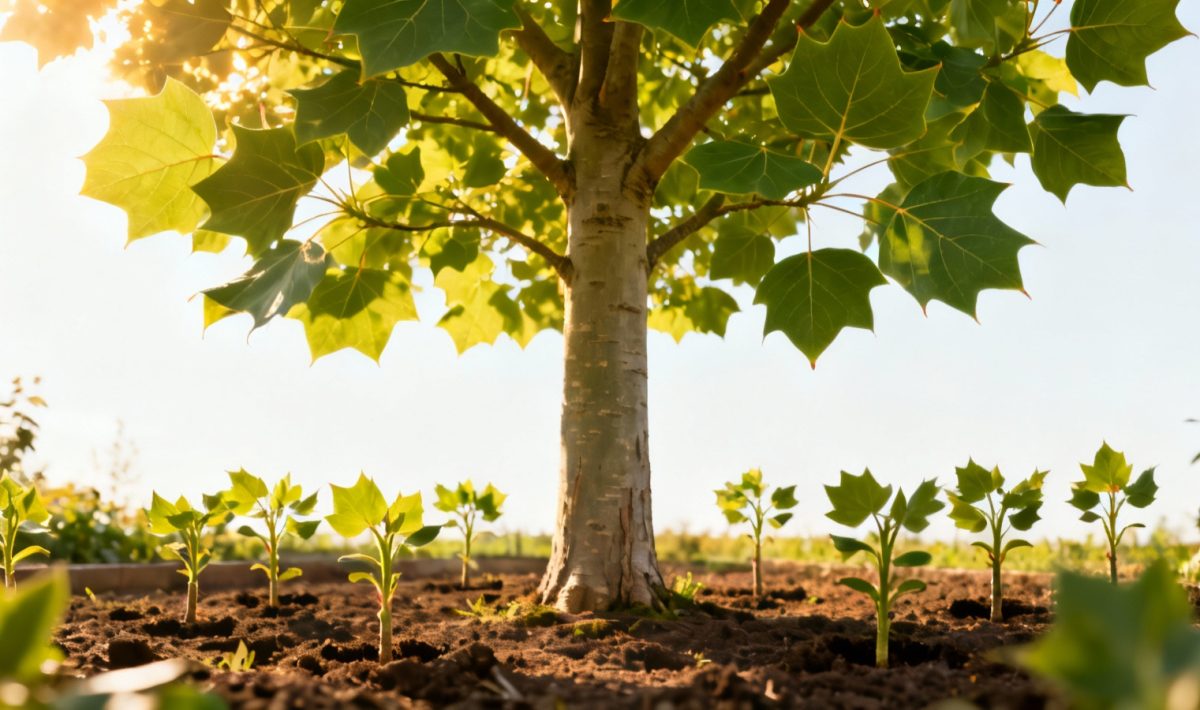
Understanding the magnificent Liriodendron tulipifera
The Tulip poplar stands as one of North America’s most impressive native arbres. This towering giant, reaching heights of 70-90 feet in typical conditions, captures attention with its distinctive tulip-shaped flowers and unique four-lobed leaves. Despite its common name, this remarkable tree actually belongs to the magnolia family rather than the poplar group, making it a fascinating specimen for both novice and experienced gardeners.
What sets this arbre apart is its rapid growth rate and stunning seasonal displays. In spring and early summer, the tree produces gorgeous jaunes and orange blooms that resemble tulips, while autumn brings a spectacular transformation as the feuilles turn brilliant golden yellow. For those seeking to add majesty to their landscape, understanding proper Tulip poplar care becomes essential for long-term success.
Essential characteristics of Liriodendron tulipifera
The distinctive appearance of this arbre makes identification straightforward once you know what to look for. The feuilles measure up to 8 inches long and feature a unique star-like shape with four distinct lobes. During the growing season, they maintain a lustrous green color that provides excellent shade and visual appeal.
The fleurs appear in late spring, typically from May through June, displaying beautiful tulip-shaped blooms in vibrant jaunes and orange hues. These fragrant blossoms attract various pollinators and add ornamental value to any property. Similar to how you might provide specialized care for Nerium oleander plants for Mediterranean species, the Tulip poplar requires specific attention to thrive in various climates.
The écorce develops interesting characteristics as the tree matures. Young trees display smooth, greenish bark that gradually becomes furrowed and grayish-brown with age. The bois itself is lightweight yet strong, making it valuable for various commercial applications while the tree serves as an excellent source of timber in forestry operations.
Optimal growing conditions and soil requirements
Success with Tulip poplar cultivation depends heavily on providing the right growing environment. These arbres prefer deep, well-drained soils with good moisture retention. The ideal soil type consists of fertile, slightly acidic to neutral earth with excellent drainage capabilities.
When selecting a planting location, consider that mature trees require substantial space due to their impressive size. Unlike compact indoor plants such as those requiring guidance on Philodendron Birkin care, the Tulip poplar needs room to spread both above and below ground. Full sun exposure promotes the healthiest growth, though the tree can tolerate partial shade in certain conditions.
Moisture management plays a crucial role in establishing young trees. While mature specimens show good drought tolerance, consistent watering during the first few années ensures proper root development. The type of soil drainage directly impacts the tree’s health, as waterlogged conditions can lead to root rot and other complications.
Climate considerations across different regions
The Tulip poplar thrives across a broad range of climatic zones, from the southeastern United States through the northern regions. However, understanding your local climate condition helps optimize care strategies throughout the year.
In northern climates, winter protection may become necessary for young trees during their first few années of establishment. Wrapping the trunk and providing mulch around the base helps prevent frost damage and temperature fluctuations that could stress the developing root system.
Propagation methods: seeds versus cuttings
Gardeners have two primary options when propagating Liriodendron tulipifera: growing from graines or starting with nursery-grown plants. Each method offers distinct advantages depending on your timeline and gardening experience.
Seed propagation requires patience but provides the satisfaction of growing your arbre from the very beginning. Fresh graines collected in automne offer the highest germination rates when properly stored and stratified. The process involves cold stratification over winter months, mimicking natural seasonal cycles that trigger sprouting in spring.
For faster results, purchasing young plants from reputable nurseries provides immediate gratification. Many operations offer convenient livraison service, ensuring healthy specimens arrive ready for transplanting. This approach particularly benefits gardeners seeking specific cultivars or those wanting to establish mature trees more quickly.
The propagation approach you choose might depend on the same considerations that influence decisions about other specialized plants, such as understanding tips for Monstera obliqua maintenance for rare indoor species – timing, resources, and desired outcomes all factor into the decision.
Caring for young seedlings and transplants
Regardless of your chosen propagation method, young Tulip poplars require attentive care during their establishment phase. Regular watering, protection from harsh weather, and proper nutrition support healthy development during these critical early années.
Young plants benefit from organic mulch applications that retain moisture while suppressing competing weeds. This practice also provides slow-release nutrients as the organic matter decomposes, supporting steady growth throughout the growing season.
Common challenges and maintenance solutions
Like all arbres, the Tulip poplar faces certain challenges that attentive gardeners can address proactively. Understanding potential issues before they arise helps maintain healthy, vigorous specimens for decades.
Aphid infestations occasionally affect young growth, particularly during warm, humid periods. Regular monitoring and targeted treatments using horticultural oils or insecticidal soaps provide effective control without harming beneficial insects attracted to the fleurs.
Scale insects may also appear on branches and foliage, causing yellowing and weakening of affected areas. Early intervention prevents these pests from establishing large populations that could significantly impact tree health.
Weather-related stress represents another consideration, especially during extreme heat or drought conditions. Proper mulching and supplemental watering during dry spells help trees maintain their health and continue producing beautiful jaunes autumn displays year after year.
Long-term care and pruning considerations
Mature Tulip poplars generally require minimal pruning beyond removing dead, damaged, or crossing branches. The tree’s natural growth habit creates an attractive pyramidal shape that rarely needs corrective measures.
When pruning becomes necessary, timing proves crucial for optimal results. Late winter or early spring, before bud break, provides the ideal window for any corrective work. This timing minimizes stress while allowing the tree to heal quickly as growth resumes.
Similar to the specialized attention required for other magnificent trees like those needing how to care for Southern magnolia, the Tulip poplar benefits from understanding its unique growth patterns and seasonal needs.
Benefits and practical considerations
Beyond their ornamental appeal, these impressive arbres provide numerous practical benefits that make them excellent landscape additions. Fast growth rates mean relatively quick establishment of shade and windbreak benefits compared to many other large tree species.
The ecological value of Tulip poplars extends well beyond their physical presence. They serve as important habitat for various wildlife species while their fleurs provide nectar for pollinators during the critical late spring period when many other source plants may not yet be blooming.
From a property value perspective, well-placed mature trees significantly enhance landscape appeal and can increase overall property valuations. The impressive size and seasonal interest of established Liriodendron tulipifera specimens make them particularly valuable landscape assets.
Whether you’re planning to start from graines or invest in nursery plants with professional livraison service, the Tulip poplar represents an excellent long-term investment in your landscape’s future beauty and functionality.
Allan is a lifelong gardening enthusiast who still gets excited when the first seedlings pop up in spring. With a deep love for nature and a hands-in-the-soil approach, he shares practical tips, plant discoveries, and clever tricks picked up over years of digging, planting, and observing. Whether you’re a new gardener or have a shed full of tools, Allan writes like a neighbor who’s always happy to swap cuttings and stories over the fence.
You can find more about Allan’s work on Malt or connect with him on LinkedIn.