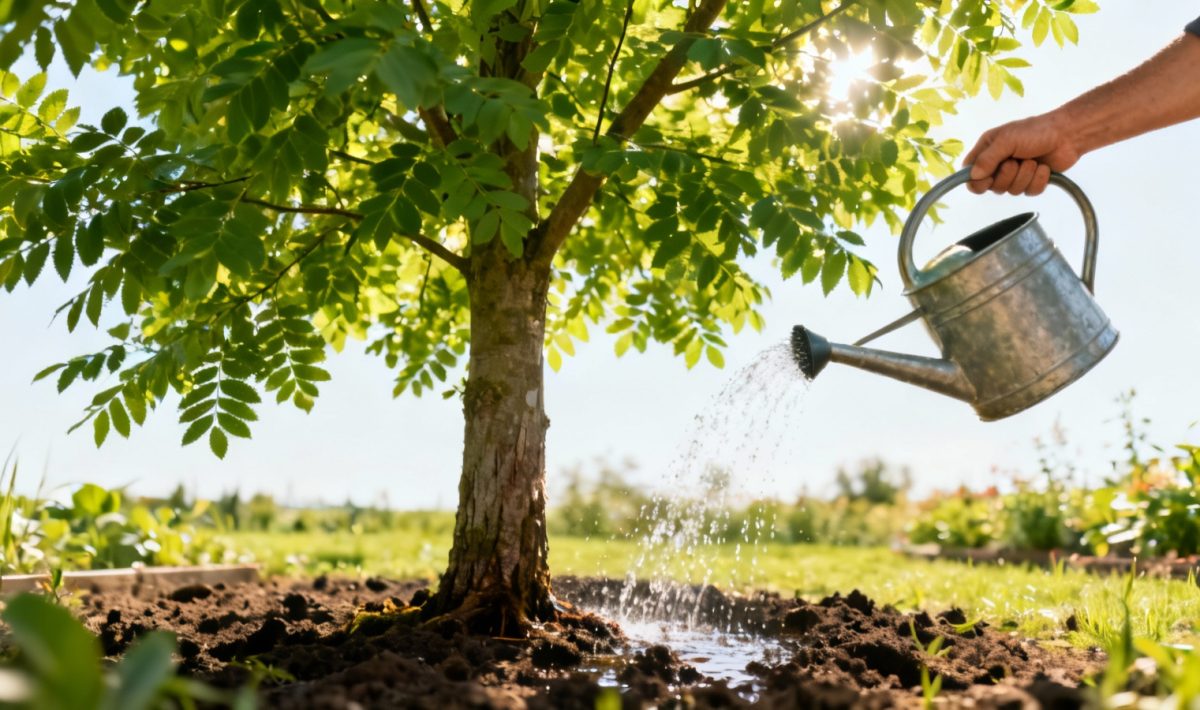
How often should you water your Green ash depends largely on the tree’s age and environmental conditions. Young Green ash trees require consistent moisture during their first two years to establish strong root systems. This experience with newly planted trees shows that regular attention to soil moisture makes all the difference in their long-term health.
The equipment you use for monitoring soil moisture can be as simple as your finger or a basic soil probe. Check the soil depth of 3-4 inches around the base of your tree. If it feels dry at this level, it’s time to water. This nature-based approach helps you develop an intuitive understanding of your tree’s needs.
Factors influencing watering frequency
Several elements affect how often you should water your Green ash. Climate plays the primary role, with hot, dry conditions requiring more frequent watering than cool, humid weather. The state of your soil also matters significantly – sandy soils drain quickly and need more frequent attention than clay-based soils.
Tree age represents another crucial factor in your watering schedule. Young trees demand consistent moisture, while mature Green ash trees develop drought tolerance. This discovery about tree maturity helps explain why established trees in your neighborhood might thrive with minimal supplemental watering.
Seasonal watering adjustments
Spring marks the beginning of active growth for your Green ash, requiring regular watering as new leaves emerge. During this saison, aim for deep, weekly watering sessions that reach the entire root zone. The direction of prevailing winds can also influence moisture loss, making windward sides of trees dry out faster.
Summer brings the highest water demands for your Green ash tree. In hot climates, you might need to water twice weekly, especially for younger specimens. However, avoid overwatering, as waterlogged soil can damage root systems just as severely as drought stress.
Optimal watering techniques for Green ash trees
Deep, infrequent watering proves more beneficial than shallow, frequent applications. This approach encourages roots to grow deeper, creating a more resilient tree. Water slowly at the base, allowing moisture to penetrate gradually rather than running off the surface.
Professional équipe members often recommend watering early morning or late evening to minimize evaporation losses. The service of proper timing ensures maximum water uptake while reducing waste. Just as you might consider the watering needs of sycamore trees, Green ash trees benefit from consistent, thoughtful watering practices.
Equipment and tools for effective watering
A soaker hose or drip irrigation system provides excellent results for established Green ash trees. These tools deliver water slowly and evenly, promoting deep soil penetration. The propreté of your watering equipment matters too – clean hoses and nozzles ensure proper water flow and prevent disease transmission.
For smaller trees, a simple garden hose with a gentle spray attachment works well. You can also create a watering ring using mulch around the base, which helps direct water to the root zone while preventing runoff.
Monitoring tree health and adjusting care
Watch for signs that indicate proper hydration in your Green ash. Healthy trees display vibrant green foliage and steady growth during the growing season. Wilting, yellowing leaves, or premature leaf drop often signal watering issues that need immediate attention.
The état of your tree’s overall health depends on consistent care practices. Regular observation helps you fine-tune your watering routine based on your specific conditions. For those managing multiple plants, understanding care for other species like caring for your Chinese money plant can provide valuable insights into plant care principles.
Professional conseils for Green ash care
Experienced gardeners recommend establishing a consistent watering schedule rather than reactive watering. This approach helps trees develop regular growth patterns and reduces stress. Keep informations about rainfall amounts to adjust your supplemental watering accordingly.
The infrastructure around your tree affects watering needs too. Paved surfaces nearby can increase heat stress, requiring more frequent watering. Similarly, competing vegetation draws moisture from the soil, potentially affecting your Green ash’s water availability.
Common watering mistakes to avoid
Overwatering ranks among the most frequent errors in tree care. Green ash trees prefer moist but well-draining soil conditions. Constantly soggy soil leads to root rot and other health problems that can severely damage your tree.
Another common mistake involves watering too frequently with small amounts. This practice encourages shallow root development, making trees more susceptible to drought stress. Instead, focus on thorough, less frequent watering sessions that encourage deep root growth.
Customer experiences and results
Many clients report significant improvements in tree health after adjusting their watering practices. Trees that receive proper moisture management show enhanced growth rates, better drought tolerance, and improved resistance to pests and diseases. These results demonstrate the importance of understanding your specific tree’s needs.
Local gardening communities often share valuable experiences about tree care in specific climates. Learning from others in your area helps you adapt general guidelines to your particular conditions. For example, understanding optimal watering for watermelon growth teaches principles about deep watering that apply to many plants.
Long-term care strategies
Establishing proper watering habits from the beginning sets your Green ash up for decades of healthy growth. Young trees that receive consistent care develop stronger root systems and better overall structure. This foundation supports the tree throughout its mature years in your home landscape.
Consider the long-term vision for your tree when planning care strategies. A well-established Green ash can provide shade, wildlife habitat, and aesthetic value for generations. Investment in proper early care, including appropriate watering, pays dividends in tree longevity and performance.
Integration with other landscape elements requires thoughtful planning too. Understanding how different plants interact with water resources helps create a sustainable garden ecosystem. Knowledge from watering tips for smoketrees can complement your overall landscape water management strategy.
Environmental considerations and sustainability
Water conservation becomes increasingly important in many regions. Efficient watering practices for your Green ash contribute to responsible resource use while maintaining tree health. Mulching around the base helps retain soil moisture, reducing watering frequency requirements.
Rainwater collection systems provide an excellent supplement to municipal water for tree care. This sustainable approach reduces costs while providing naturally soft water that many trees prefer. The biodiversity of your landscape benefits when you create water-wise gardening practices.
Understanding soil conditions in your specific location helps optimize water use efficiency. Different soil types require different watering approaches, and local expertise often provides the best guidance for your area. Proper care extends to other landscape elements too, such as understanding maintaining wintercreeper with proper watering techniques.
With proper attention to watering frequency and technique, your Green ash will reward you with years of healthy growth and natural beauty. The key lies in understanding your tree’s specific needs and adapting your care routine accordingly. Regular observation and consistent care create the foundation for a thriving landscape addition that enhances your outdoor space for years to come.
Allan is a lifelong gardening enthusiast who still gets excited when the first seedlings pop up in spring. With a deep love for nature and a hands-in-the-soil approach, he shares practical tips, plant discoveries, and clever tricks picked up over years of digging, planting, and observing. Whether you’re a new gardener or have a shed full of tools, Allan writes like a neighbor who’s always happy to swap cuttings and stories over the fence.
You can find more about Allan’s work on Malt or connect with him on LinkedIn.