Foxgloves: A Towering Biennial for Shade-Loving Gardens
Foxgloves (Digitalis purpurea) are iconic biennials known for their tall, stately spikes of tubular flowers. Reaching up to 5 feet in height, they thrive in partial shade and well-drained soil, making them perfect for woodland edges or cottage gardens.
Why Plant Foxgloves?
Self-seeding habit: Once established, foxgloves naturally propagate, ensuring recurring blooms without annual replanting.
Low maintenance: They require minimal care beyond initial planting and occasional watering during dry spells.
Planting and Care Tips
Sow seeds indoors: In July, start foxglove seeds in seed trays or modules. Sow thinly to prevent overcrowding.
Transplant in late summer: Move seedlings to outdoor beds in late August or September, spacing them 12–18 inches apart.
Support tall varieties: Use stakes to secure flower spikes in exposed areas.
For a unique twist, try the Sutton’s Apricot variety, which adds soft peach tones to borders.
Forget-Me-Not: A Hardy Biennial for Early Summer Blooms
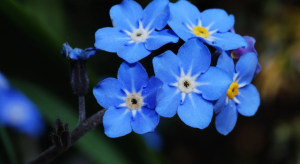
Forget-me-not (Myosotis spp.) is a small, delicate biennial with sky-blue flowers that attract pollinators. It thrives in moist, fertile soil and partial shade, making it ideal for containers or undergrowth planting.
Why Plant Forget-Me-Not?
Early flowering: Blooms appear in late spring to early summer, providing color before other biennials mature.
Versatility: Works well in rock gardens, hanging baskets, or as a ground cover.
Growing Strategies
Direct sowing: Scatter seeds directly into prepared soil in July, thinning seedlings to 6–8 inches apart.
Deadheading: Remove spent blooms to encourage extended flowering and prevent self-seeding.
[smartquiz]
Sweet William: A Fragrant Biennial for Cutting Gardens
Sweet William (Dianthus barbatus) is a biennial prized for its intensely fragrant blooms and vibrant colors, ranging from white to deep crimson. It excels in full sun and well-drained soil, making it a staple in cutting gardens.
Why Plant Sweet William?
Cut-and-come-again blooms: Stems can be harvested for fresh arrangements, encouraging repeat flowering.
Drought tolerance: Once established, it withstands dry conditions better than many biennials.
Cultivation Tips
Sow seeds in July: Start in seed trays, then transplant to outdoor beds in early fall.
Support tall stems: Use stakes to keep 2–3-foot flower spikes upright.
Companion planting: Pair with marigolds or calendulas to deter pests like aphids.
Hollyhocks: A Dramatic Biennial for Vertical Interest
Hollyhocks (Alcea rosea) are towering biennials with large, showy flowers that add vertical drama to borders. They prefer full sun and rich soil, often reaching 6–8 feet in height.
Why Plant Hollyhocks?
Structural impact: Their height creates a striking backdrop for shorter perennials.
Attracts pollinators: Large blooms draw bees and butterflies, supporting local ecosystems.
Growth and Maintenance
Sow seeds directly: Plant in July in well-prepared beds, spacing 18–24 inches apart.
Protect from wind: Hollyhocks are prone to toppling; stake stems if grown in exposed areas.
Watch for rust: Treat fungal infections promptly with fungicides to prevent defoliation.
Wallflowers: A Hardy Biennial for Early Spring Color
Wallflowers (Erysimum spp.) are biennials that bloom in early spring, offering vibrant yellow, orange, or red flowers before summer heat sets in. They thrive in poor soil and full sun, making them ideal for dry borders.
Why Plant Wallflowers?
Early season blooms: Provides color when few other plants are flowering.
Drought resistance: Tolerates dry conditions once established.
Cultivation Best Practices
Sow seeds in July: Start in modules, then transplant to outdoor beds in late summer.
Deadheading: Remove spent flowers to encourage repeat blooming.
Companion planting: Pair with lavender or rosemary for a Mediterranean-inspired border.
Benefits of Biennial Flowers in Summer Gardens
Biennials offer several advantages for gardeners seeking long-term color and low maintenance:
Cost-Effective Growth
Seed propagation: Many biennials are easily grown from seed, reducing costs compared to buying established plants.
Self-seeding: Varieties like foxgloves and forget-me-not naturally regenerate, minimizing replanting efforts.
Biodiversity Support
Pollinator attraction: Flowers like sweet William and hollyhocks provide nectar-rich blooms for bees and butterflies.
Year-round interest: Biennials often retain foliage or seed heads in winter, adding texture to dormant gardens.
Choosing the Right Biennials for Your Garden
Selecting biennials requires considering soil type, sunlight exposure, and desired bloom times. Below are key factors to evaluate:
Soil and Sunlight Requirements
| Biennial | Soil Preference | Sunlight Needs |
|-|–|-|
| Foxgloves | Well-drained | Partial shade |
| Sweet William | Fertile | Full sun |
| Hollyhocks | Rich | Full sun |
| Wallflowers | Poor | Full sun |
| Forget-Me-Not | Moist | Partial shade |
Bloom Timing and Color
Early spring: Wallflowers and forget-me-not provide early color.
Mid-summer: Sweet William and hollyhocks peak in July and August.
Late summer: Foxgloves often bloom into September, extending the season.
Common Challenges and Solutions
While biennials are relatively low maintenance, they face specific challenges:
Pests and Diseases
Aphids: Use neem oil or insecticidal soap to treat infestations on sweet William and hollyhocks.
Rust: Remove infected leaves and treat with fungicides to protect hollyhocks.
Slugs: Protect seedlings with copper barriers or crushed eggshells.
Environmental Stress
Drought: Water deeply but infrequently to encourage root development.
Wind damage: Stake tall varieties like hollyhocks and foxgloves.
Planting biennial flowers in July ensures a dynamic, colorful garden for years to come. By selecting varieties like foxgloves, sweet William, and wallflowers, gardeners can enjoy blooms that attract pollinators, add structural interest, and thrive in diverse conditions. With proper care—such as timely sowing, supportive staking, and pest management—these plants will reward efforts with vibrant displays that evolve seasonally. For those seeking a sustainable, low-cost approach to gardening, biennials are an ideal choice.
Allan is a lifelong gardening enthusiast who still gets excited when the first seedlings pop up in spring. With a deep love for nature and a hands-in-the-soil approach, he shares practical tips, plant discoveries, and clever tricks picked up over years of digging, planting, and observing. Whether you’re a new gardener or have a shed full of tools, Allan writes like a neighbor who’s always happy to swap cuttings and stories over the fence.
You can find more about Allan’s work on Malt or connect with him on LinkedIn.
14 Replies to “5 Biennial Flowers To Plant In July For Long-Lasting Summer Color”
🌼 Love summer color!
Love the article! these flower picks will definitely brighten up my garden. july is perfect for planning ahead for summer beauty. can’t wait to start planting! 🌸
Do foxgloves attract any specific types of pollinators? i’m curious if planting them will bring more bees or butterflies to my garden!
Are foxgloves pet-friendly, or should i be cautious if i have cats and dogs in my garden?
How do foxgloves affect local wildlife? are they good for attracting pollinators like bees or hummingbirds to my garden?
Tried planting foxgloves in july last year, and they turned out to be the stars of my garden! they needed a bit of patience but totally worth it for the vibrant blooms. give them a go! 🌸
Just added these to my garden inspo list! can’t wait for vibrant blooms next year. thanks for the suggestions! 🌻
Such cheerful ideas! trying these flowers. they’ll add amazing color to my garden and keep it vibrant through summer. can’t wait! 🌻🌼
Thanks for the tips! can’t wait to add these blooms to my garden and brighten things up next summer. july is perfect for planting them, so timely too!
Loved planting foxgloves in july last year. they bloomed beautifully the next summer, attracting tons of bees and butterflies. such a lovely pop of color!
I love discovering new plants to brighten up the garden! these biennial flowers seem like a perfect addition for some vibrant summer color. can’t wait to try them! 🌸🌞
I love biennials! planting them in july for a splash of color next summer is such a great idea. can’t wait to try these out. new gardening adventures await! 🌸
Do foxgloves attract pollinators like bees and hummingbirds to the garden?
Love these picks! gonna try planting black-eyed susans for sure 😊🌼




🌼 Love summer color!
Love the article! these flower picks will definitely brighten up my garden. july is perfect for planning ahead for summer beauty. can’t wait to start planting! 🌸
Do foxgloves attract any specific types of pollinators? i’m curious if planting them will bring more bees or butterflies to my garden!
Are foxgloves pet-friendly, or should i be cautious if i have cats and dogs in my garden?
How do foxgloves affect local wildlife? are they good for attracting pollinators like bees or hummingbirds to my garden?
Tried planting foxgloves in july last year, and they turned out to be the stars of my garden! they needed a bit of patience but totally worth it for the vibrant blooms. give them a go! 🌸
Just added these to my garden inspo list! can’t wait for vibrant blooms next year. thanks for the suggestions! 🌻
Such cheerful ideas! trying these flowers. they’ll add amazing color to my garden and keep it vibrant through summer. can’t wait! 🌻🌼
Thanks for the tips! can’t wait to add these blooms to my garden and brighten things up next summer. july is perfect for planting them, so timely too!
Loved planting foxgloves in july last year. they bloomed beautifully the next summer, attracting tons of bees and butterflies. such a lovely pop of color!
I love discovering new plants to brighten up the garden! these biennial flowers seem like a perfect addition for some vibrant summer color. can’t wait to try them! 🌸🌞
I love biennials! planting them in july for a splash of color next summer is such a great idea. can’t wait to try these out. new gardening adventures await! 🌸
Do foxgloves attract pollinators like bees and hummingbirds to the garden?
Love these picks! gonna try planting black-eyed susans for sure 😊🌼