
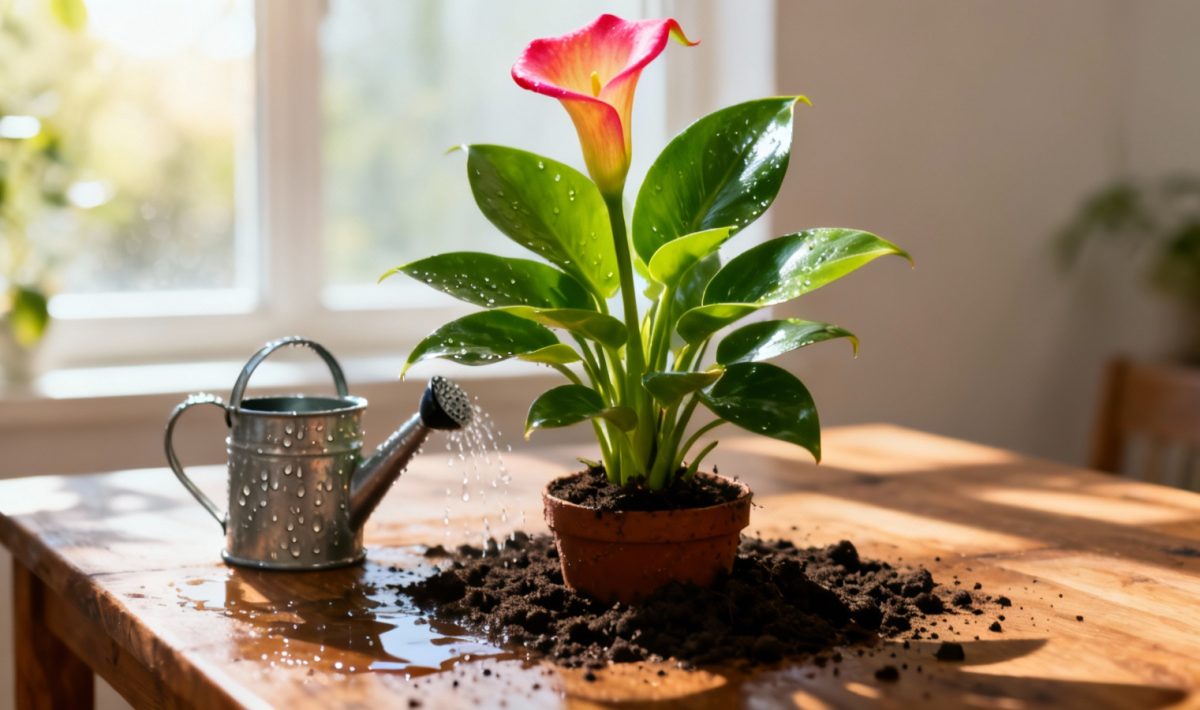
Understanding calla lily watering needs
The elegant calla lily (Zantedeschia) brings sophistication to any garden with its distinctive trumpet-shaped flowers and lush foliage. However, achieving those stunning blooms requires understanding how often should you water your calla lily properly. These plants thrive with consistent moisture but can quickly suffer from both drought stress and waterlogged conditions.
Calla lilies are not true lilies but members of the Araceae family, native to South Africa. Their rhizomes store energy and water, making them somewhat drought-tolerant once established. Nevertheless, consistent watering remains crucial for optimal growth and flower production.
The key to successful calla lily care lies in maintaining evenly moist soil without creating soggy conditions. This balance becomes particularly important during the growing season when plants actively produce their characteristic white, yellow, or colored blooms.
Optimal watering frequency for different growing conditions
Container-grown calla lilies
Potted calla lilies require more frequent attention than garden-planted specimens. Water thoroughly once or twice weekly, allowing excess water to drain completely. The soil should feel slightly moist but never waterlogged. During hot summer days, daily checking becomes essential as containers dry out faster than garden beds.
Use a well-draining potting mix enriched with organic matter. A combination of quality potting soil with added perlite or vermiculite ensures proper drainage while retaining necessary moisture. Monitor the top inch of soil – when it feels dry to touch, it’s time to water deeply.
Garden-planted calla lilies
In-ground calla lilies typically need watering 1-2 times per week during active growing season. Deep, infrequent watering encourages robust root development and helps plants withstand brief dry periods. Apply water slowly to ensure it penetrates deeply rather than running off the surface.
Plant bulbs in rich, humus-laden soil with good drainage. Just as you might consider the specific needs when watering your African lily effectively, calla lilies benefit from consistent moisture without standing water. Heavy clay soils may require amendments to prevent waterlogging.
Seasonal watering adjustments
Spring and summer care
During the active growing season from spring through mid-summer, calla lilies demand regular watering to support vigorous growth and flower production. Increase watering frequency during hot, dry spells, potentially providing water every 2-3 days if temperatures exceed 85°F.
Watch for signs that plants need water: slightly drooping leaves or soil pulling away from pot edges. However, avoid waiting until plants show stress symptoms. Consistent moisture promotes better flower quality and longer bloom periods.
Fall and winter dormancy
As temperatures drop and foliage begins yellowing naturally, gradually reduce watering frequency. Once leaves turn completely yellow, stop watering altogether to allow proper dormancy. This rest period is crucial for next year’s blooming cycle.
Store dormant bulbs in a cool, dry location or leave them in well-draining garden beds where winters are mild. Excessive moisture during dormancy can cause bulb rot, destroying your plants entirely.
Recognizing watering problems
Signs of overwatering
Overwatered calla lilies develop yellowing leaves starting from the bottom, soft or mushy stems, and a distinctive foul odor from rotting rhizomes. The soil feels constantly soggy, and you might notice fungal growth on the soil surface.
If you suspect overwatering, immediately reduce watering frequency and improve drainage. Remove any affected plant material and consider repotting container plants with fresh, well-draining soil. Similar to the careful approach needed for properly watering your dog rose, calla lilies require attention to drainage.
Identifying underwatering stress
Water-stressed calla lilies exhibit wilting despite cool temperatures, brown leaf edges, reduced flowering, and soil that pulls away from container sides. The plants may also go dormant prematurely as a survival mechanism.
Correct underwatering by gradually increasing watering frequency rather than flooding the plant. Provide deep, thorough watering sessions rather than frequent shallow applications. This encourages deeper root growth and improved drought tolerance.
Best practices for watering success
Timing and technique
Water calla lilies early morning to reduce evaporation and prevent fungal diseases that thrive in humid evening conditions. Apply water directly to the soil rather than overhead sprinkling to keep foliage dry and prevent disease issues.
Use room-temperature water when possible, as cold water can shock the plants, especially during warm weather. For container plants, water until you see drainage from the bottom holes, ensuring the entire root zone receives moisture.
Soil preparation and drainage
Prepare planting areas with rich, organic soil that retains moisture while draining excess water effectively. Add compost, well-aged manure, or other organic amendments to improve soil structure and water-holding capacity.
Consider raised beds or mounded planting areas in locations with poor drainage. Just as with best practices for American basswood care, proper soil preparation prevents many water-related problems before they start.
Common watering mistakes to avoid
Inconsistent watering schedules
Irregular watering creates stress that reduces flowering and can trigger premature dormancy. Establish a consistent routine based on weather conditions, soil type, and plant location rather than following a rigid calendar schedule.
Monitor plants regularly rather than relying solely on predetermined watering days. Weather conditions, humidity levels, and seasonal changes all affect how quickly soil dries out.
Watering dormant plants
One of the most common mistakes involves continuing to water calla lilies after they’ve entered natural dormancy. This well-intentioned care often leads to bulb rot and plant loss. When leaves yellow and die back naturally, stop all watering until new growth appears in spring.
Unlike plants requiring consistent moisture like those discussed in maintaining lucky bamboo hydration, dormant calla lilies need complete drying periods.
Creating the ideal growing environment
Location and placement considerations
Choose locations that receive morning sun and afternoon shade, particularly in hot climates. This light pattern reduces water stress while providing enough energy for robust growth and flowering. Avoid extremely sunny locations that dry out soil rapidly.
In garden settings, plant calla lilies near other moisture-loving plants to create a beneficial microclimate. Group plantings help maintain consistent soil moisture levels and reduce individual plant stress during dry periods.
Mulching for moisture retention
Apply a 2-3 inch layer of organic mulch around plants to conserve soil moisture, regulate temperature, and suppress weeds. Good mulching materials include shredded bark, compost, or leaf mold that breaks down gradually to improve soil quality.
Keep mulch several inches away from plant stems to prevent pest problems and allow proper air circulation. The approach differs from techniques used for watering tips for Japanese cherry trees, but moisture conservation remains equally important.
Maintaining healthy calla lilies year-round
Successful calla lily cultivation depends on understanding their unique water requirements throughout different seasons and growth stages. By providing consistent moisture during active growth and respecting their dormancy needs, you’ll enjoy spectacular blooms year after year.
Remember that each garden situation is unique, and factors like soil type, climate, and local weather patterns will influence your specific watering routine. Pay attention to your plants’ signals, adjust your care accordingly, and don’t hesitate to modify your approach based on seasonal conditions.
With proper watering techniques and attention to your plants’ changing needs, your calla lilies will reward you with their stunning flowers and elegant foliage throughout the growing season.

Allan is a lifelong gardening enthusiast who still gets excited when the first seedlings pop up in spring. With a deep love for nature and a hands-in-the-soil approach, he shares practical tips, plant discoveries, and clever tricks picked up over years of digging, planting, and observing. Whether you’re a new gardener or have a shed full of tools, Allan writes like a neighbor who’s always happy to swap cuttings and stories over the fence.
You can find more about Allan’s work on Malt or connect with him on LinkedIn.


