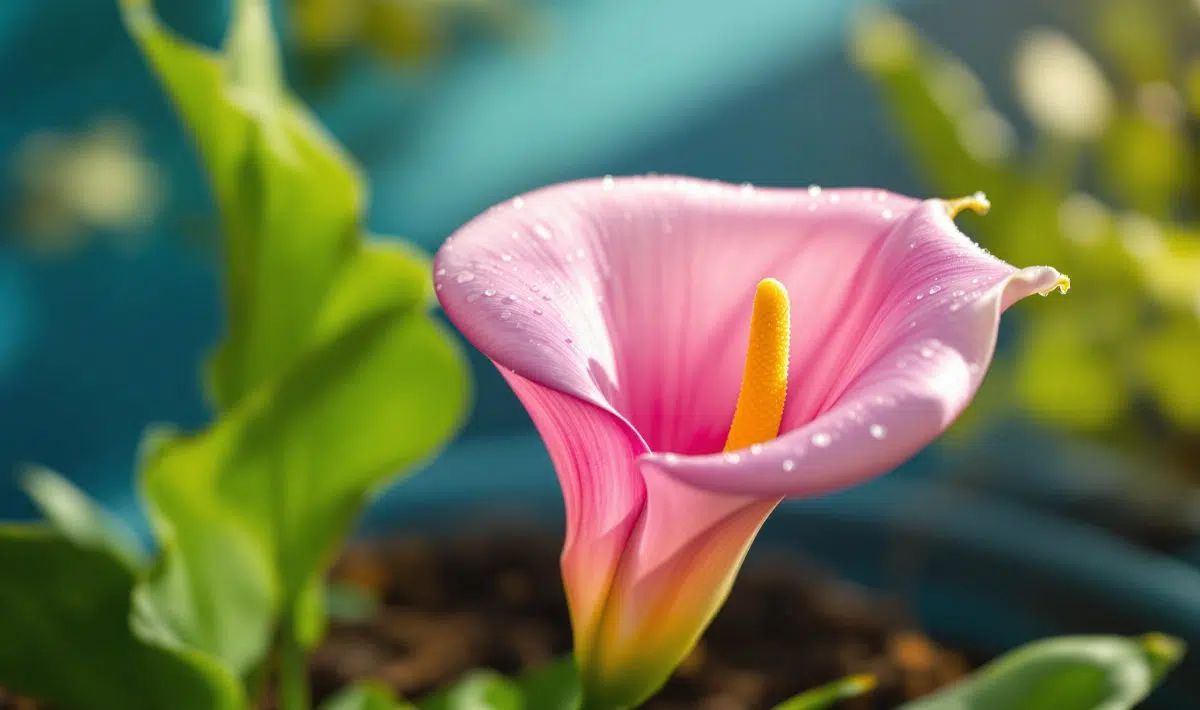
How often should you water your Pink calla lily – Care tips and watering schedule
Pink calla lilies are truly stunning additions to any garden with their elegant pink blooms and graceful foliage. However, understanding how often should you water your Pink calla lily is crucial for maintaining these beautiful plants. The key to successful calla lily care lies in finding the perfect balance between keeping the soil consistently moist and avoiding waterlogged conditions that can harm the rhizomes.
Calla lilies, scientifically known as Zantedeschia, are not true lilies but belong to the Araceae family. These plants are originally from South Africa and naturally grow in marshy areas where they receive consistent moisture. Pink varieties, while sharing the same basic care requirements, have specific needs that distinguish them from their white counterparts.
The water needs of your Pink calla lily depend heavily on the growing season and environmental conditions. During their active growing period from spring through summer, these plants require abundant moisture to support their flowering and foliage development. In contrast, during their dormant winter period, water requirements decrease significantly.
Seasonal watering schedule for optimal growth
Spring marks the beginning of active growth for calla lilies. As new shoots emerge from the bulbs, you should water approximately every 2-3 days, ensuring the soil remains consistently moist but not waterlogged. The soil should feel like a wrung-out sponge when you test it with your finger.
Summer brings the peak growing season when your plants are producing those magnificent pink flowers. During this time, especially in hot weather, you may need to water daily or every other day. The key is monitoring the top inch of soil – when it feels dry to the touch, it’s time to water again.
As autumn approaches, gradually reduce watering frequency to every 3-4 days. The plants begin preparing for dormancy, and excessive moisture during this transition can lead to bulb rot. Watch for yellowing foliage as a natural sign that the growing season is ending.
Winter requires minimal watering for most calla lily varieties. If you’re growing them in pots and bringing them indoors, water only when the soil is completely dry, perhaps once every 2-3 weeks. For garden-planted varieties in mild climates, natural rainfall usually provides sufficient moisture.
Factors affecting your watering frequency
Several environmental factors influence how often you should water your Pink calla lily. Understanding these variables helps you adjust your care routine for optimal plant health.
Soil type and drainage considerations
Well-draining soil is essential for healthy calla lilies. While they love moisture, they cannot tolerate standing water around their rhizomes. A good potting mix for containers should contain perlite or vermiculite to ensure proper drainage while retaining moisture.
Clay soils retain water longer than sandy soils, so adjust your watering schedule accordingly. In heavy clay, you might water every 3-4 days, while sandy soils may require daily watering during peak growing season. Adding organic compost improves both drainage and water retention in any soil type.
Temperature and humidity effects
Hot, dry conditions increase water demand significantly. When temperatures exceed 80°F (27°C), your Pink calla lily may need daily watering to prevent stress. Conversely, cool, humid conditions reduce water needs and may allow for watering every 4-5 days.
Indoor humidity levels also play a role for container-grown plants. Low indoor humidity during winter heating season can increase water needs slightly, while high humidity reduces evaporation and extends time between watering sessions.
Proper watering techniques for healthy plants
Best practices for watering calla lilies
Water deeply and thoroughly each time rather than giving frequent shallow drinks. This encourages deep root development and makes your plants more drought-resistant. Apply water slowly to allow soil absorption rather than creating runoff.
Early morning watering is ideal as it gives plants time to absorb moisture before the day’s heat and reduces risk of fungal diseases. Avoid watering late in the evening when moisture may linger on foliage overnight.
Use room-temperature water when possible, as very cold water can shock the roots. For container plants, water until you see drainage from the bottom holes, then empty saucers to prevent standing water.
Signs of proper vs. improper watering
Healthy, properly watered Pink calla lilies display vibrant green foliage and sturdy flower stems. The flowers should be well-formed with good color intensity and long-lasting blooms that make excellent cut flowers for arrangements.
Underwatered plants show wilting leaves, especially during the heat of the day, and may have reduced flower production. The foliage may appear dull and the plant will look stressed overall.
Overwatered plants often develop yellow leaves starting from the bottom of the plant, and you may notice a musty smell from the soil indicating root rot. The rhizomes may feel soft or mushy when gently squeezed.
Special considerations for container vs. garden planting
Container-grown Pink calla lilies dry out much faster than those planted directly in garden soil. Pots expose more root area to air circulation, increasing evaporation rates. You’ll typically need to water container plants twice as often as those in the ground.
Garden-planted specimens benefit from mulching around the base to retain soil moisture and regulate temperature. A 2-3 inch layer of organic mulch can significantly reduce watering frequency while suppressing weeds that compete for water.
The size of your container also affects watering needs. Smaller pots dry out faster than larger ones, so consider using the largest practical container size for your space. Terra cotta pots are porous and dry out faster than plastic or glazed ceramic containers.
Troubleshooting common watering problems
If your Pink calla lily isn’t thriving despite regular watering, examine your drainage system first. Poor drainage is the most common cause of plant problems, even when watering frequency is correct.
Brown leaf tips often indicate either overwatering or poor water quality. Try using filtered or rainwater if your tap water is heavily chlorinated or has high mineral content. Let tap water sit overnight before using to allow chlorine to evaporate.
Stunted growth or poor flowering despite adequate moisture may indicate the need for fertilization. Calla lilies are relatively heavy feeders during their growing season and benefit from monthly feeding with a balanced fertilizer.
Remember that consistency is key when determining how often should you water your Pink calla lily. Regular monitoring and adjustment based on environmental conditions will help ensure these beautiful plants thrive in your garden or containers, rewarding you with spectacular pink blooms throughout their growing season.
Allan is a lifelong gardening enthusiast who still gets excited when the first seedlings pop up in spring. With a deep love for nature and a hands-in-the-soil approach, he shares practical tips, plant discoveries, and clever tricks picked up over years of digging, planting, and observing. Whether you’re a new gardener or have a shed full of tools, Allan writes like a neighbor who’s always happy to swap cuttings and stories over the fence.
You can find more about Allan’s work on Malt or connect with him on LinkedIn.