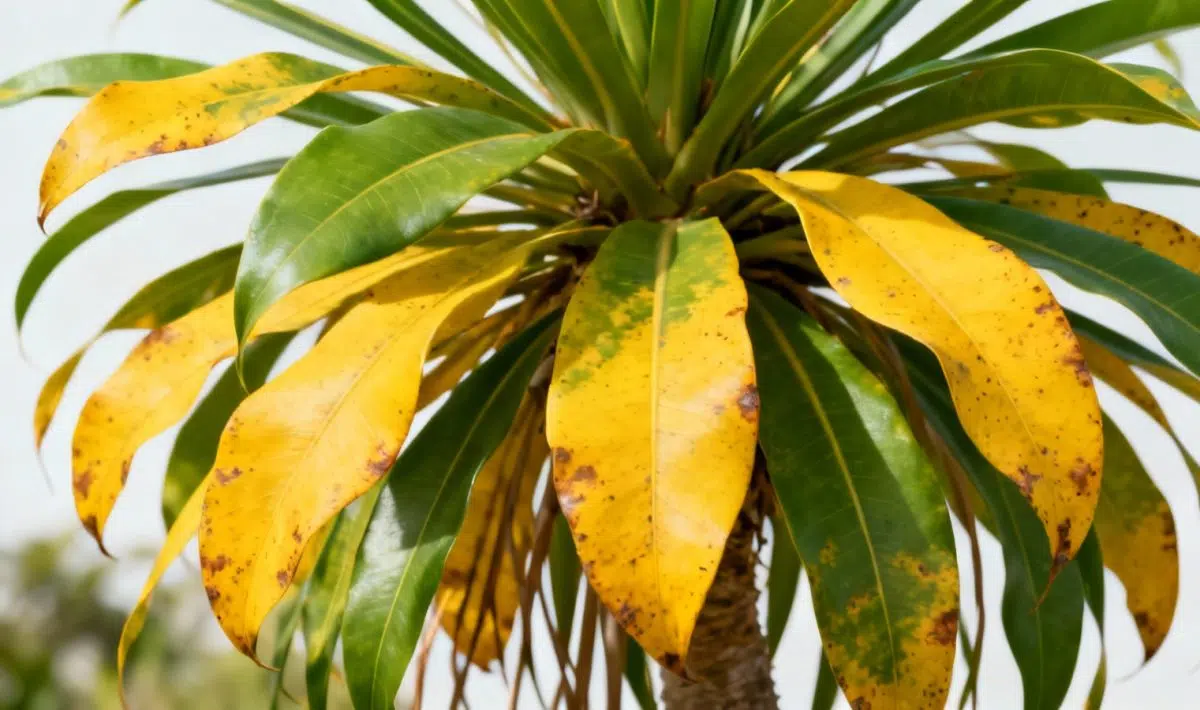
Why are my madagascar dragon tree leaves turning yellow – causes and solutions
Watching your beloved Madagascar dragon tree develop yellow leaves can be quite concerning. However, this common houseplant issue usually has straightforward solutions once you understand what’s causing the problem. Your Dracaena marginata is actually trying to communicate with you through these color changes, and learning to read these signals will help you become a better plant parent.
Understanding your Madagascar dragon tree’s natural behavior
Before diving into troubleshooting, it’s important to know that some yellowing is completely normal for your dracaena. These plants naturally shed their lower leaves as they grow, which is part of their normal growth habits. The older leaves at the bottom gradually turn yellow and drop off to make room for new growth at the top.
However, when multiple leaves start yellowing simultaneously, or when the yellowing affects newer growth, that’s when you need to investigate further. Your plant is likely experiencing some form of stress that needs your attention.
✅ Quick Checklist
Is the soil too wet or too dry?
Is the plant getting 6+ hours of sunlight daily?
Have you fertilized in the last 2 months?
Are there visible pests under the leaves?
Does the pot have adequate drainage?
🔥 FREE
📱
Diagnose your plant in one click!
AI instant diagnosis • Personalized solutions • 50,000+ species
Most houseplants, including your dracaena marginata, suffer from watering issues more than any other problem. Both overwatering and underwatering can cause yellow leaves, but they show up differently. Overwatering typically causes yellowing that starts from the lower leaves and moves upward, often accompanied by soft, mushy stems.
Underwatering, on the other hand, usually causes leaves to turn yellow and crispy around the edges. The key is to check your soil moisture regularly by sticking your finger about two inches into the pot. Your plant prefers the soil to dry out slightly between waterings, but never completely bone dry.
To fix watering issues, establish a consistent routine. Water thoroughly when the top inch of soil feels dry, ensuring water drains out the bottom holes. Always empty the drainage tray after 30 minutes to prevent your plant from sitting in standing water.
Lighting conditions affect leaf health
Your Madagascar dragon tree needs bright, indirect light to thrive indoors. Too little light causes leaves to turn yellow and drop, while too much direct sunlight can scorch the leaves, creating yellow or brown patches. The best spot for your dracaena is near a window that gets plenty of natural light but not harsh afternoon sun.
If you notice yellowing primarily on one side of your plant, try rotating it weekly to ensure even light distribution. This simple habit helps prevent lopsided growth and keeps all the leaves healthy and green.
Humidity levels matter more than you think
These tropical plants appreciate higher humidity than most homes naturally provide. When the air is too dry, leaves can turn yellow and develop brown tips. The ideal humidity level for your dracaena is around 40-50%, which you can achieve with a humidifier or by grouping plants together.
You can also place your pot on a tray filled with pebbles and water, making sure the pot sits above the waterline. As the water evaporates, it creates a humid microclimate around your plant. Many other houseplants experience similar yellowing issues due to environmental stress, such as the reasons for yellowing honeysuckle leaves which often relate to moisture and light conditions.
Nutrient deficiencies and their solutions
Sometimes yellowing leaves indicate that your plant is hungry. Nitrogen deficiency typically causes older leaves to turn yellow while newer growth remains green. Your dracaena benefits from regular fertilization during the growing season (spring through early fall) with a balanced houseplant fertilizer.
Feed your plant monthly during active growth periods, but reduce or stop fertilizing in winter when growth slows down. Always dilute fertilizer to half the recommended strength, as these plants prefer gentle feeding rather than heavy doses.
✅ Quick Checklist
Is the soil too wet or too dry?
Is the plant getting 6+ hours of sunlight daily?
Have you fertilized in the last 2 months?
Are there visible pests under the leaves?
Does the pot have adequate drainage?
🔥 FREE
📱
Diagnose your plant in one click!
AI instant diagnosis • Personalized solutions • 50,000+ species
Spider mites, scale insects, and mealybugs can all cause yellowing leaves on your dracaena. These pests typically hide on the undersides of leaves and suck plant juices, causing yellowing and eventual leaf drop. Check your plant regularly for tiny webs, sticky honeydew, or small moving dots on the leaves.
If you discover pests, isolate your plant immediately to prevent spread to other houseplants. Clean the leaves with a damp cloth and treat with insecticidal soap or neem oil spray. Consistent treatment over several weeks usually resolves most pest issues. Interestingly, many indoor plants face similar challenges, including the causes of yellowing autograph tree leaves which can also stem from pest infestations and environmental stress.
Creating the perfect care routine
Prevention is always better than treatment when it comes to plant care. Establish a weekly routine that includes checking soil moisture, examining leaves for pests, and rotating your plant for even growth. Keep your dracaena in a spot with consistent temperatures between 65-75°F, away from drafts and heating vents.
Good drainage is crucial for preventing root rot, which often manifests as yellowing leaves. Make sure your pot has drainage holes and use a well-draining potting mix designed for houseplants. Repot every 2-3 years or when you notice roots growing out of the drainage holes.
When to take action
If you’ve addressed watering, lighting, and humidity but still see widespread yellowing, consider repotting your plant with fresh soil. Sometimes old, depleted potting mix lacks the nutrients your plant needs to stay healthy. Remove any yellow or damaged leaves with clean scissors to help your plant focus energy on new growth.
Remember that recovering from stress takes time. After making adjustments to your plant’s care routine, give it at least 4-6 weeks to show improvement. New growth should emerge green and healthy, indicating that you’ve successfully resolved the underlying problem.
With consistent care and attention to your dracaena’s needs, you can prevent most yellowing issues and enjoy a thriving, beautiful houseplant for years to come. These resilient plants are quite forgiving once you understand their basic requirements and establish a proper care routine.
Allan is a lifelong gardening enthusiast who still gets excited when the first seedlings pop up in spring. With a deep love for nature and a hands-in-the-soil approach, he shares practical tips, plant discoveries, and clever tricks picked up over years of digging, planting, and observing. Whether you’re a new gardener or have a shed full of tools, Allan writes like a neighbor who’s always happy to swap cuttings and stories over the fence.
You can find more about Allan’s work on Malt or connect with him on LinkedIn.